Regular Health Screening: What Tests You Need and Why They Matter
When we talk about regular health screening, a proactive approach to catching illness early through routine medical tests. Also known as preventive health checkups, it’s not about waiting until you feel sick—it’s about finding problems while they’re still fixable. Most people think screening means a quick checkup and a pat on the back. But real screening goes deeper. It’s a series of targeted tests that look for hidden issues: early signs of diabetes, liver damage, thyroid trouble, or even cancer before symptoms show up.
One of the most common tools in regular health screening, a proactive approach to catching illness early through routine medical tests. Also known as preventive health checkups, it’s not about waiting until you feel sick—it’s about finding problems while they’re still fixable. is the full body blood test, a comprehensive panel that checks blood cells, liver and kidney function, cholesterol, and blood sugar levels. Also known as routine blood test panel, it’s the baseline for spotting silent diseases like type 2 diabetes or fatty liver before you start feeling tired or achy. These aren’t luxury tests—they’re essential. A simple fasting glucose reading can catch prediabetes years before it becomes full-blown diabetes. A lipid profile can reveal rising cholesterol before a heart attack happens. And liver enzymes? They don’t lie—if they’re off, your liver is under stress, whether from alcohol, sugar, or medication.
Screening isn’t just about blood. Mental health is just as critical. Conditions like depression, anxiety, and PTSD don’t always show up as physical symptoms, but they wreck your life just the same. That’s why mental health, a state of emotional and psychological well-being that affects how you think, feel, and handle stress. Also known as emotional health, it’s a key part of any complete health checkup. If you’ve been feeling off, drained, or anxious for weeks, it’s not "just stress." It could be something treatable. Screening for mental health doesn’t mean a long therapy session—it can start with a simple questionnaire your doctor can review.
And then there’s cancer. The cancer warning signs, early physical or systemic symptoms that may indicate the presence of cancer before diagnosis. Also known as early cancer symptoms, these are the red flags you can’t afford to ignore. Unexplained weight loss, persistent fatigue, changes in bowel habits, lumps that won’t go away—these aren’t normal aging. They’re signals. Regular screening means knowing what to watch for and acting fast when something feels wrong. Pancreatic cancer is hard to catch early, but colon cancer? That’s one you can prevent with a simple colonoscopy.
You don’t need to be sick to benefit from screening. You don’t need to be old. Even people in their 20s and 30s should get basic blood work done every couple of years. The goal isn’t to scare you—it’s to give you control. Knowledge is power, and in health, early detection is the best treatment. The tests you skip today could become the problems you fight tomorrow.
Below, you’ll find real, practical guides on exactly what these tests reveal, which supplements can actually hurt you, how liver health works, and what signs you should never brush off. No fluff. No marketing. Just what you need to know to stay ahead of illness—before it catches up to you.

22
FebruaryWhat’s Included in Your Health Check: An Inside Look
Ever wonder what's actually covered in a health check? Dive into the nitty-gritty details of what you can expect when you book a health checkup package. From basic blood work to advanced imaging tests, we'll break down the typical components and what they mean for your health. Whether you're a newbie or a veteran to health screenings, this guide offers insights that can help you make the most out of your next appointment.
Recent posts
-
 21 Oct 2025
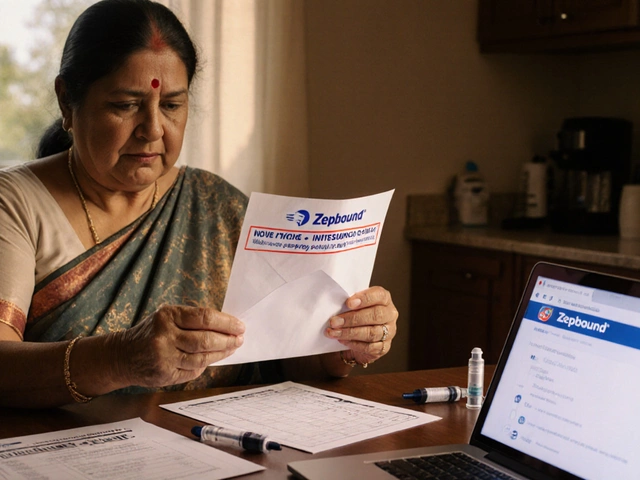
Why Won’t Insurance Cover Zepbound? Understanding Denials and How to Get Approved
-
 19 Oct 2025
Why You Can’t Shower After Knee Replacement Surgery - Risks & Safe Alternatives
-
 4 Apr 2025
Are Ayurvedic Drugs Safe?
-
 17 May 2025
Why Is Metformin Banned in America? The Truth About Diabetes Medication
-
 13 Jan 2025
Forbidden Foods and Medications for Diabetics: An Informative Guide