PTSD: Understanding Trauma, Symptoms, and Healing in India
When someone experiences a life-changing event—like violence, an accident, or war—their brain doesn’t always reset. This is where PTSD, a mental health condition triggered by experiencing or witnessing a traumatic event. Also known as post-traumatic stress disorder, it affects how the brain processes fear, memory, and safety. It’s not weakness. It’s biology. And in India, where trauma often goes unspoken due to stigma, silence makes it worse.
PTSD doesn’t look the same for everyone. Some people have nightmares that feel real. Others avoid places or people that remind them of the event. Some feel numb, disconnected, or constantly on edge—even when they’re safe. These aren’t just "bad days." They’re symptoms of a nervous system stuck in survival mode. And it’s not just soldiers or accident survivors. Domestic violence, sexual assault, sudden loss, even witnessing a public tragedy can trigger it. In India, where mental health resources are unevenly spread, many people suffer alone, thinking they’re broken. But trauma therapy, structured psychological treatment designed to help people process and recover from trauma can change that. Techniques like CBT and EMDR aren’t magic—they’re tools, proven to help the brain rewire itself.
What makes PTSD harder to treat here? Lack of awareness. Misconceptions. Shame. People think therapy is for the "crazy," or that talking about pain makes it worse. But research shows the opposite: naming the fear, feeling it safely, and slowly rebuilding trust in the world—those are the steps that heal. And it’s not just about seeing a therapist. Support from family, safe spaces, community, even yoga and meditation can play a role. You don’t need to fix everything at once. Small steps matter. The posts below cover real experiences: how herbs can worsen anxiety, why honesty in therapy matters even if you’re not ready to share everything, and what therapies actually work for people carrying invisible wounds. This isn’t about theory. It’s about what works when you’re trying to live again after something broke you.
20
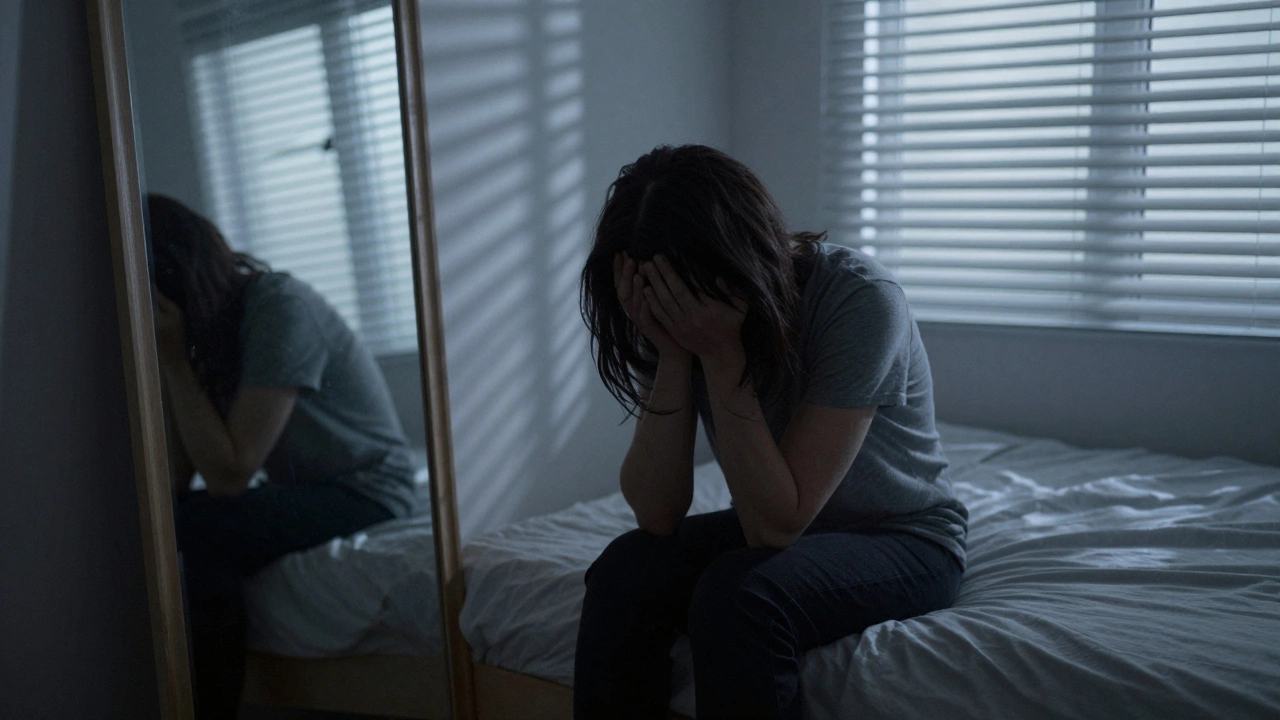
FebruaryWhat Are the Hardest Mental Illnesses to Live With?
Some mental illnesses are harder to live with than others due to their impact on identity, relationships, and daily function. This article explores the most challenging conditions-including BPD, schizophrenia, severe depression, PTSD, and bipolar disorder-and what makes them so difficult to manage.
17
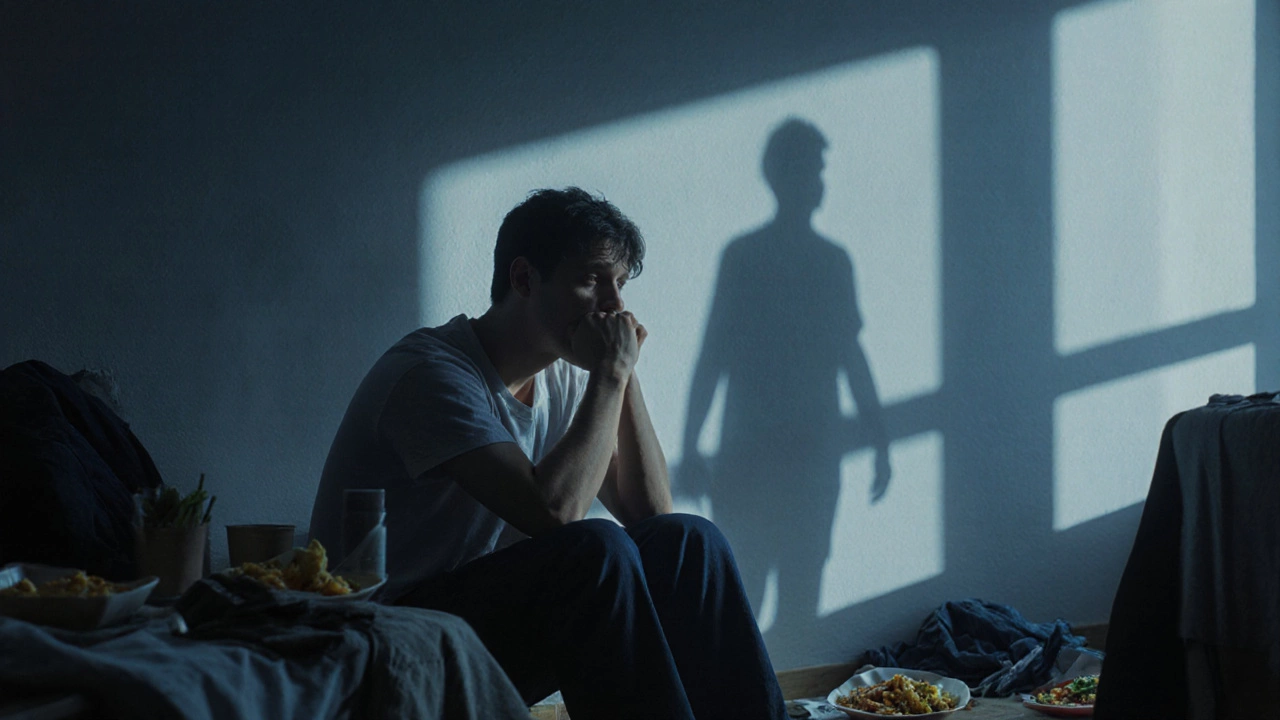
NovemberWhat Are the 10 Most Disabling Mental Illnesses?
The 10 most disabling mental illnesses include schizophrenia, severe depression, bipolar disorder, OCD, PTSD, BPD, anxiety, eating disorders, severe autism, and dementia. These conditions disrupt daily life, work, and relationships-and often go untreated due to stigma and lack of care.
Recent posts
-
 10 Jul 2025
Has Anyone Survived Stage 4 Cancer? Real-Life Stories and New Hope
-
 24 Mar 2026
What Hurts More: Tooth Extraction vs Dental Implant Pain Explained
-
 17 Apr 2025
Is Therapy Once a Week Too Much? Answers That Might Surprise You
-
 25 Feb 2025
Understanding Ayurvedic Medicine: Uses and Benefits
-
 10 Sep 2025
Does Knee Replacement Stiffness Go Away? Real Timelines, Causes, and Fixes