Pancreatic Cancer: Causes, Signs, and Why It's So Hard to Treat
When we talk about the pancreatic cancer, a deadly form of cancer that starts in the tissues of the pancreas, often without early warning signs. It's known as one of the hardest cancers to cure because it’s usually found too late, spreads quickly, and doesn’t respond well to standard treatments. Unlike breast or skin cancer, there’s no simple screening test for it. By the time someone feels pain, loses weight, or notices yellow skin, the cancer is often already advanced.
This is why cancer survival rate for pancreatic cancer stays stubbornly low—around 12% five years after diagnosis. The cancer symptoms are vague: dull stomach pain that comes and goes, unexplained weight loss, dark urine, or new-onset diabetes. Many people dismiss these as stress, aging, or a bad diet. But when these signs show up together, especially in someone over 50, it’s not something to ignore. The pancreas sits deep in the belly, behind the stomach, so tumors grow silently until they press on nerves, block bile ducts, or spread to the liver or lungs.
Doctors now know that smoking, obesity, long-term diabetes, and chronic pancreatitis raise your risk. Family history matters too—if someone in your close family had pancreatic cancer, your risk goes up. There’s no magic pill or supplement that prevents it, but staying at a healthy weight, quitting smoking, and avoiding heavy alcohol use help lower your chances. New research is looking at blood tests that might catch early signs, and targeted therapies are slowly improving outcomes for some patients. It’s not a cure yet, but it’s progress.
The posts below cover what you need to know: why pancreatic cancer is so hard to beat, how it compares to other tough cancers, the warning signs most people miss, and what’s changing in treatment. You’ll also find real talk about early detection, what doctors look for in blood tests, and why some people survive longer than others. This isn’t just about fear—it’s about knowing what to watch for and how to act fast.

12
JuneTop 3 Worst Cancers: Survival Rates, Symptoms, and What to Watch For
Some cancers are harder to treat and survive than others, and knowing which ones top the list can make a real difference. This article cuts to the chase and highlights the top three worst cancers based on survival rates, symptoms, and risk factors. You'll get practical tips on what to look out for and why these cancers are so challenging. We’ll talk about breakthroughs that offer hope, plus how to spot potential warning signs early. Useful for anyone curious or concerned about cancer risks and treatments.

1
MaySilent Killer Cancer: Which Types Go Unnoticed?
Some cancers sneak up without obvious warning signs and are often discovered only in later stages, earning the nickname 'silent killers.' This article breaks down which cancers are most likely to operate under the radar, the reasons behind their stealthy nature, and offers concrete tips for spotting trouble early. You'll find out which people are at highest risk and the subtle signs you shouldn't ignore. The difference between catching cancer early and late can be life-changing, so knowing what to look for really matters. Get practical advice about talking to your doctor, managing screenings, and handling risk factors.
Recent posts
-
 24 Feb 2026
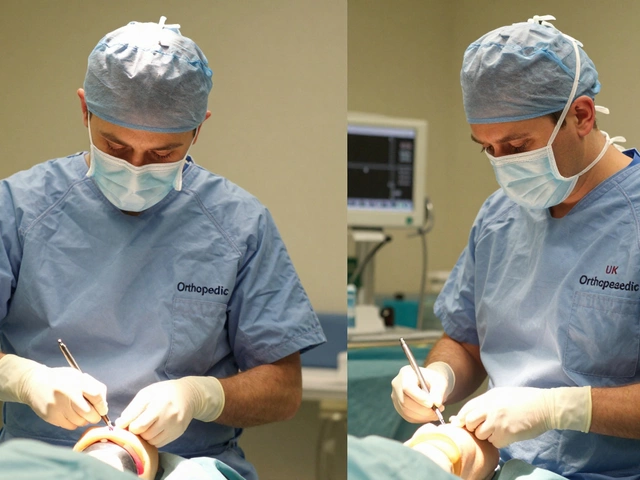
What Is the Difference Between Orthopedic and Orthopaedic?
-
 9 Oct 2025
When to Seek Therapy: Signs You Should See a Professional
-
 13 Jan 2026
How Many Rounds of IVF Does It Take to Get Pregnant? Real Stats and What to Expect
-
 20 Jul 2025
Why Therapy Costs So Much: Real Reasons Behind Expensive Mental Health Care
-
 13 Oct 2025
Best Overall Health Test: Comprehensive Screening Guide