Muscle Pain Specialist: Who They Are and When You Need One
When your muscles hurt for weeks—even after rest, ice, or OTC painkillers—you might need a muscle pain specialist, a healthcare provider trained to diagnose and treat deep, persistent muscle discomfort that doesn’t respond to basic care. Also known as a myofascial pain specialist, this expert looks beyond simple strains to find root causes like nerve compression, trigger points, or systemic inflammation. Most people assume muscle pain is just from overexertion or bad posture. But if it’s sharp, burning, or radiates like a pinched nerve, it could be something deeper.
A muscle pain specialist, a doctor or physical therapist with advanced training in musculoskeletal disorders doesn’t just hand out painkillers. They use tools like electromyography (EMG), ultrasound-guided injections, or manual trigger point release to pinpoint where the pain starts. They often work with orthopedic specialists, doctors who treat bone, joint, and soft tissue injuries when the issue involves tendons, ligaments, or joint alignment. If your pain flares after sitting too long, lifts you up at night, or feels like your muscles are locked up, it’s not normal—and a specialist can tell you why.
Many patients in India see a general doctor first, get told to "take it easy," and wait months before finding real help. But chronic muscle pain isn’t something you should endure. It’s often linked to conditions like fibromyalgia, myofascial pain syndrome, or even vitamin D deficiency—all treatable if diagnosed early. A good specialist will check your movement patterns, review your blood work for inflammation markers, and ask about sleep, stress, and diet. They know that muscle pain isn’t always in the muscle—it could be your nerves, your spine, or even your gut.
You don’t need a referral to see one. Many muscle pain specialists work in private clinics, physiotherapy centers, or hospitals with pain management units. If you’ve tried massage, stretching, and rest with no change, it’s time to go deeper. The posts below cover real cases: how a simple vitamin deficiency mimicked chronic muscle pain, why some people get pain after surgery even when the incision healed, and how a wrong sleeping position can turn into months of discomfort. You’ll also find what tests actually matter, what treatments work—and what’s just hype. No fluff. Just what you need to know before your first appointment.
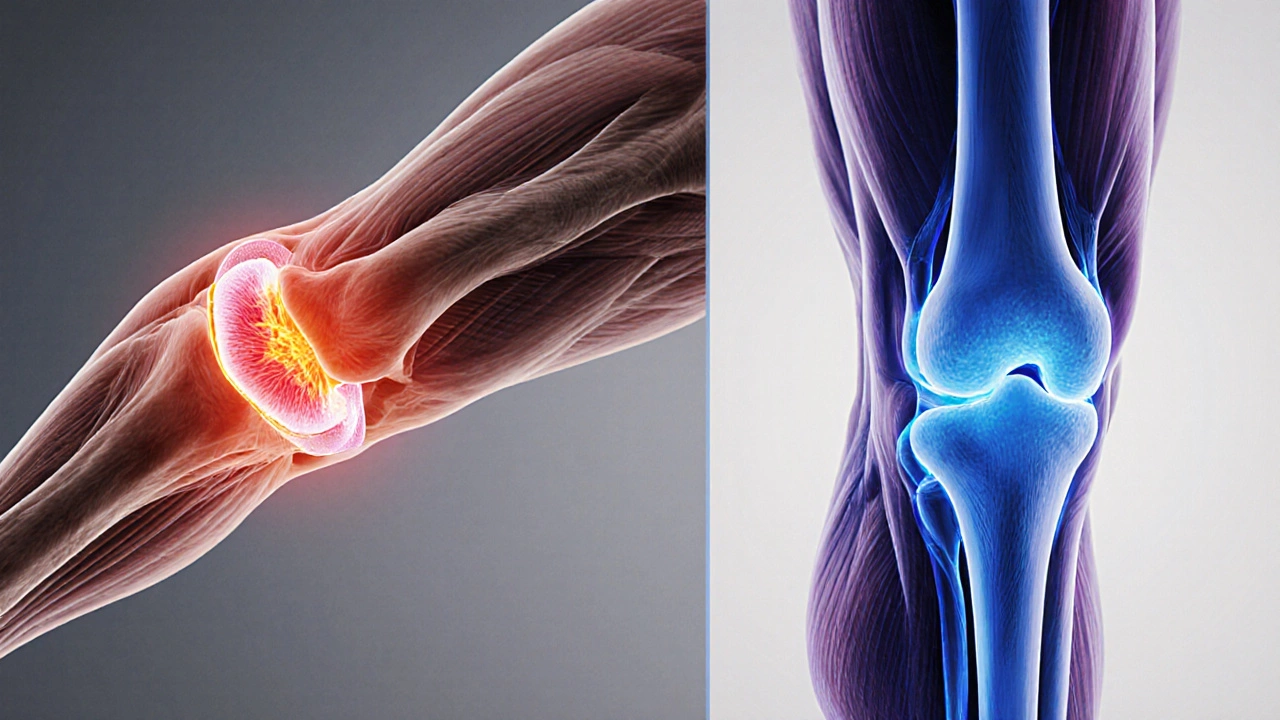
24
OctoberWhich Doctor Treats Joint and Muscle Pain Best?
Learn which doctors treat joint and muscle pain, compare specialties, and get a clear guide to choosing the right professional for lasting relief.
Recent posts
-
 6 Jul 2025
How Long Do Patients Stay in the Hospital After Open Heart Surgery?
-
 17 Nov 2025
What Are the 10 Most Disabling Mental Illnesses?
-
 20 Apr 2025
What Type of Cancer Has No Cure? Realities of Untreatable Cancers
-
 23 Mar 2025
Exploring the Toughest Cancer Treatments: What Patients Endure
-
 25 Feb 2025
Understanding Ayurvedic Medicine: Uses and Benefits