Mental Disability: Understanding Causes, Support, and Real-Life Impact
When we talk about mental disability, a condition that affects how a person thinks, learns, or manages emotions over the long term. Also known as intellectual disability or developmental disability, it’s not about being weak or lazy—it’s about how the brain processes information differently from birth or due to injury or illness. This isn’t something you can see just by looking at someone. It shows up in how they learn new skills, handle daily tasks like paying bills or taking medicine, or understand social cues. In India, where access to diagnosis and support varies widely, many families struggle to find clear answers or help.
People with mental disability, a condition that affects how a person thinks, learns, or manages emotions over the long term. Also known as intellectual disability or developmental disability, it’s not about being weak or lazy—it’s about how the brain processes information differently from birth or due to injury or illness. often need help with communication, memory, or making decisions. Some may have trouble with speech, while others understand everything but can’t express it. It’s not the same as depression or anxiety, though those can happen too. What matters is that this isn’t a phase or something you grow out of—it’s a lifelong difference that needs the right environment to thrive. Schools, workplaces, and even families often don’t know how to respond. That’s why therapy, structured routines, and community support make such a big difference.
India has laws and programs meant to help, but they’re patchy. Many families rely on private therapists or local NGOs because government services are slow or hard to reach. The good news? With the right support—like speech therapy, occupational training, or behavioral counseling—people with mental disability can live full, meaningful lives. They can work, make friends, and even live independently with the right tools. And it’s not just about fixing problems. It’s about recognizing strengths: someone might not be able to do math, but they remember every face they meet. Someone might struggle to speak, but they know exactly when you’re upset.
You’ll find real stories here—not theory, not textbook definitions. Posts cover what actually works: how therapy helps, why some herbal supplements can make anxiety worse, what to expect after major surgery when mental health is already fragile, and how to talk to a therapist without feeling judged. These aren’t abstract ideas. They’re lived experiences from people navigating the Indian healthcare system, dealing with stigma, and finding small wins every day.

17
NovemberWhat Are the 10 Most Disabling Mental Illnesses?
The 10 most disabling mental illnesses include schizophrenia, severe depression, bipolar disorder, OCD, PTSD, BPD, anxiety, eating disorders, severe autism, and dementia. These conditions disrupt daily life, work, and relationships-and often go untreated due to stigma and lack of care.
Recent posts
-
 26 Oct 2025
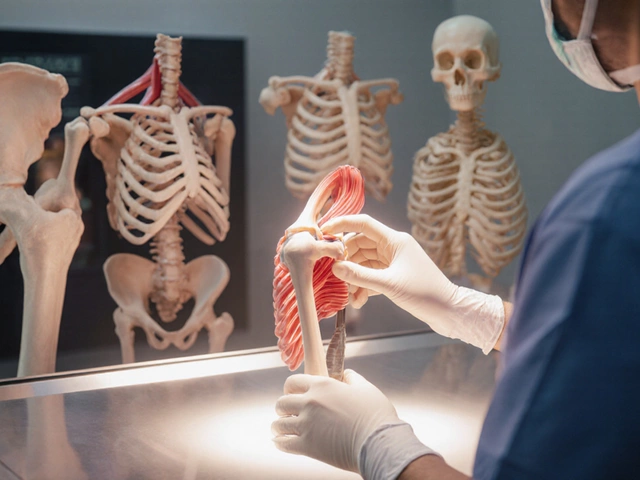
What Is the 5th Most Common Orthopedic Surgery? - Rotator Cuff Repair Explained
-
 16 Dec 2025
How Long Does It Take Herbs to Start Working in Your Body?
-
 27 Apr 2025
First Drug of Choice for Diabetes: Why Metformin Leads the Pack
-
 2 Dec 2025
What Weight Loss Medications Are Approved by Express Scripts?
-
 4 Mar 2026
Can I lose 30 pounds on metformin? What really happens when you take metformin for weight loss