Living Alone After Heart Surgery
When you’re recovering from heart surgery, living alone after heart surgery, the act of managing daily life without constant in-person help during recovery from a major cardiac procedure. It’s not about being independent by choice—it’s about being safe while healing. Many people go home alone after surgery because they don’t have family nearby, or they prefer their own space. But going home alone doesn’t mean going it alone. You still need structure, support systems, and awareness of your limits.
cardiac rehabilitation, a supervised program that helps patients regain strength and confidence after heart surgery through exercise, education, and counseling is often the backbone of safe recovery at home. It’s not just about walking more—it’s about learning how to climb stairs without getting winded, how to lift groceries without straining your chest, and how to recognize when something feels wrong. If your doctor didn’t refer you to one, ask. Most insurance covers it, and it’s one of the biggest factors in avoiding readmission.
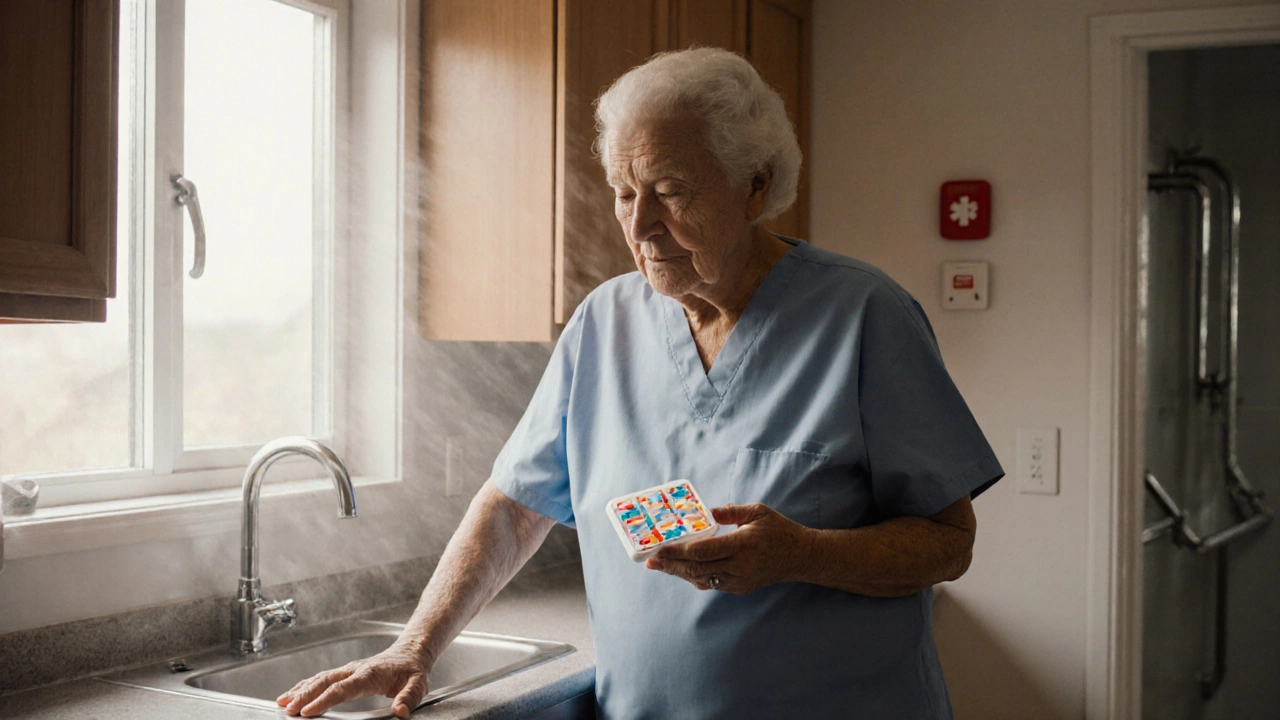
post-surgery care, the daily actions and routines that protect healing tissues, prevent complications, and support long-term heart health after a cardiac operation starts the moment you walk out of the hospital. That means setting up pill organizers, keeping your incision dry and clean, knowing which medications to take and when, and having a phone list of who to call if you feel dizzy, short of breath, or notice swelling. Simple things like keeping a chair near the shower, using a long-handled reacher for clothes, or installing grab bars in the bathroom make a huge difference. You don’t need to be an expert—you just need to be prepared.
People who live alone after heart surgery often underestimate how tiring recovery can be. Even getting dressed or making a light meal can leave you exhausted. That’s normal. But if you’re skipping meals, forgetting meds, or avoiding calls because you don’t want to bother anyone, that’s a red flag. Technology helps: medication reminders on your phone, video calls with a nurse, or even a smart speaker that can call 911 if you say the right phrase. These aren’t luxuries—they’re safety nets.
Don’t confuse being alone with being unsupported. You can live alone and still have a team. Your pharmacist can call to check if you’re taking your pills. Your neighbor can bring groceries once a week. Your telehealth provider can monitor your weight daily—sudden gain means fluid buildup, which your heart can’t handle. These aren’t chores—they’re part of your recovery plan.
Emotional health matters just as much as physical health. Loneliness after surgery isn’t just sadness—it can raise your blood pressure, slow healing, and increase the risk of another heart event. Talking to someone—even a stranger on a cardiac support line—makes a real difference. Many hospitals offer free peer support groups where you can connect with others who’ve been where you are.
There’s no single right way to recover alone, but there are wrong ways: ignoring pain, skipping follow-ups, pretending you’re fine when you’re not. The posts below cover real experiences and practical advice—from how to manage daily tasks without help, to what symptoms mean danger, to how to talk to your doctor when you’re unsure. You’ll find tips on sleep, diet, walking safely, and even how to handle intimacy after surgery. This isn’t theory. These are stories from people who’ve done it, and learned the hard way.
15
NovemberHow Long After Open-Heart Surgery Can You Live Alone?
Most people can live alone 4 to 8 weeks after open-heart surgery, but readiness depends on safety, stamina, and support-not just time. Learn the signs you're truly ready and how to set up a safe, independent recovery.
Recent posts
-
 17 May 2025
Why Is Metformin Banned in America? The Truth About Diabetes Medication
-
 28 Nov 2025
Which Type of Diabetes Is Hardest to Control?
-
 25 Oct 2025
IVF Timeline: How Long Until You Get Pregnant?
-
 5 Dec 2025
How Long Do You Stay in Hospital After Full Knee Replacement?
-
 19 Jul 2025
Understanding the Four Types of Mental Health: Breakdown, Tips, and Real Facts