Knee Arthroplasty Eligibility: Who Qualifies for Knee Replacement Surgery?
When your knee pain stops you from walking, climbing stairs, or even sleeping, knee arthroplasty, a surgical procedure to replace a damaged knee joint with an artificial one. Also known as total knee replacement, it’s one of the most common and successful orthopedic surgeries in India. But not everyone with knee pain needs it. Doctors don’t recommend it as a first step—they look for clear signs that other treatments have failed and the damage is severe enough to justify surgery.
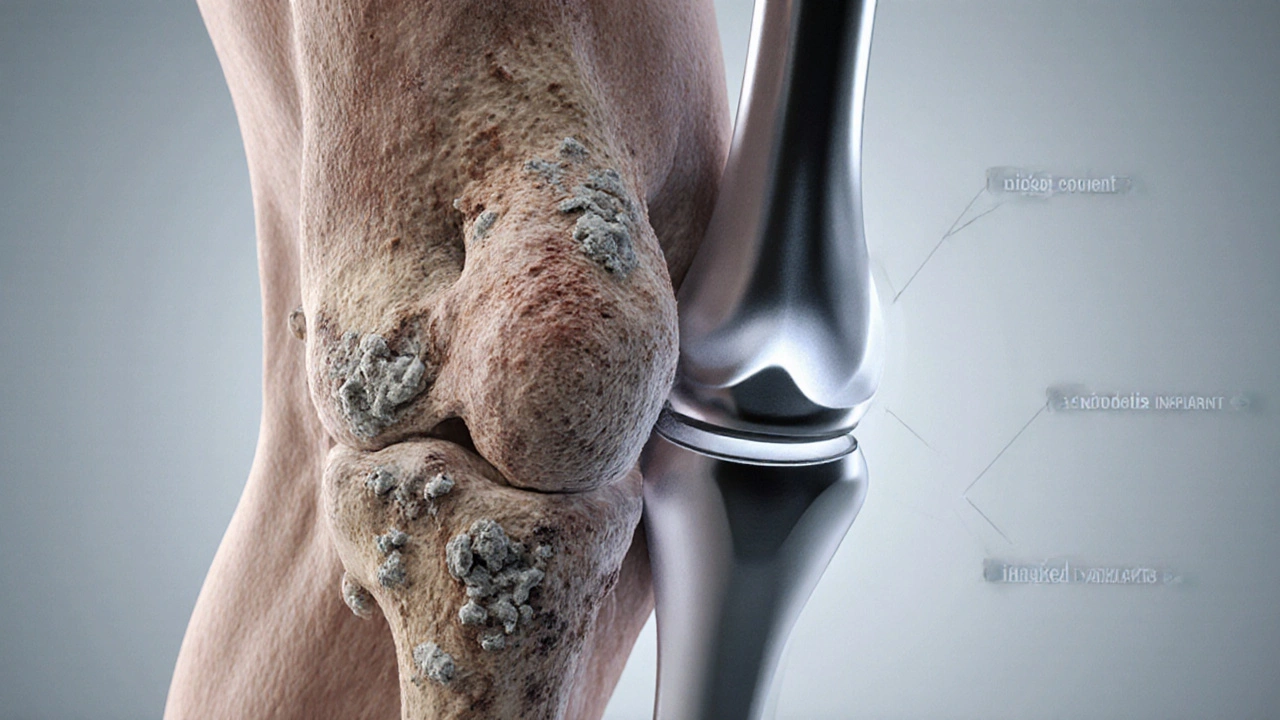
Knee arthroplasty eligibility usually depends on three things: the level of pain, how much your daily life is affected, and what imaging shows about joint damage. People with advanced osteoarthritis, the wear-and-tear arthritis that breaks down cartilage in the knee are the most common candidates. If X-rays show bone-on-bone contact, and you’ve tried physical therapy, weight loss, pain meds, or injections without lasting relief, you’re likely in the target group. It’s not about age—it’s about function. I’ve seen healthy 70-year-olds walk out of surgery with no pain, and 50-year-olds still struggling because their bodies haven’t reached the point where replacement makes sense.
Other conditions that may lead to eligibility include rheumatoid arthritis, an autoimmune disease that attacks joint linings, severe knee deformities like bowlegs or knock-knees, or trauma that destroyed the joint surface. But here’s the catch: if you’re still able to manage pain with lifestyle changes or non-surgical treatments, surgery won’t help you more than it already does. Weight matters too. Being significantly overweight increases the risk of complications and reduces how long the implant lasts. Doctors often ask patients to lose even 5–10% of body weight before approving surgery.
There are also red flags that make someone ineligible. Active infections, severe nerve damage, or poor circulation in the leg can make surgery too risky. Mental health matters too—if someone can’t follow post-op rehab instructions due to cognitive decline or untreated depression, recovery is unlikely. And if you’re hoping for a miracle fix to avoid exercise or weight loss, knee replacement won’t deliver that. It’s not a shortcut—it’s a last-resort tool for people who’ve already tried everything else.
What you’ll find in the posts below are real stories and facts about what happens before, during, and after knee arthroplasty. From how long the surgery takes to why you can’t shower right after, from who treats joint pain best to how recovery compares to other orthopedic procedures—this collection cuts through the noise. You’ll see what doctors actually look for when deciding if someone qualifies, what patients regret, and what makes recovery successful. No fluff. Just what you need to know if you’re considering this step.
17
OctoberWho Is a Bad Candidate for Knee Replacement? Risks & Contraindications
Find out which medical conditions, lifestyle habits and age factors make someone a poor candidate for knee replacement, and learn how surgeons assess eligibility.
Recent posts
-
 13 Apr 2025
Do They Still Break Your Ribs for Open-Heart Surgery?
-
 28 Jun 2025
Does Health Insurance Pay for Medical Tourism? Tips for Global Coverage
-
 21 Oct 2025
Why Won’t Insurance Cover Zepbound? Understanding Denials and How to Get Approved
-
 24 Oct 2025
Which Doctor Treats Joint and Muscle Pain Best?
-
 31 Mar 2025
Understanding the Average Cost of Travel Medical Insurance