Joint Pain Doctor: Who to See and What to Expect
When your knees, hips, or shoulders start hurting, you need a joint pain doctor, a medical professional trained to diagnose and treat conditions affecting bones, joints, and connective tissues. Also known as an orthopedic specialist, this doctor helps you move better and live without constant discomfort. Many people assume joint pain is just part of aging, but that’s not always true. Sometimes it’s arthritis, a torn ligament, or even something like gout or lupus. A good joint pain doctor doesn’t just hand you painkillers—they figure out why it’s happening in the first place.
There are different kinds of doctors who handle joint pain. An orthopedic specialist, a surgeon and clinician focused on musculoskeletal injuries and conditions. Also known as orthopedic surgeon, they often treat sports injuries, fractures, and joint degeneration. If your pain comes with swelling, redness, or affects multiple joints, you might need a rheumatologist, a doctor who specializes in autoimmune and inflammatory diseases like rheumatoid arthritis and lupus. They don’t do surgery, but they’re experts in managing chronic joint inflammation with medication and lifestyle changes. And if your joint pain is linked to weight, metabolism, or overall health, you might also work with a physical therapist or a pain management specialist.
Joint pain isn’t one-size-fits-all. A bad knee might need a simple injection, while a worn-out hip could require a replacement. The right doctor will look at your full history—how you move, what you do daily, even your sleep and diet. They’ll order the right tests: X-rays, MRIs, or blood work to rule out infection or autoimmune triggers. You don’t need to guess what’s wrong. A good joint pain doctor listens, tests, and gives you a clear path forward.
Most people wait too long to see someone. They tough it out, pop ibuprofen, or try random home remedies. But if pain keeps you from walking, climbing stairs, or sleeping, it’s time to act. Early treatment can slow damage, avoid surgery, and get you back on your feet faster. The posts below cover real cases: what joint replacement recovery looks like, when you’re not a good candidate for surgery, how long recovery takes, and what tests actually matter. You’ll find no fluff—just clear, practical advice from people who’ve been there.
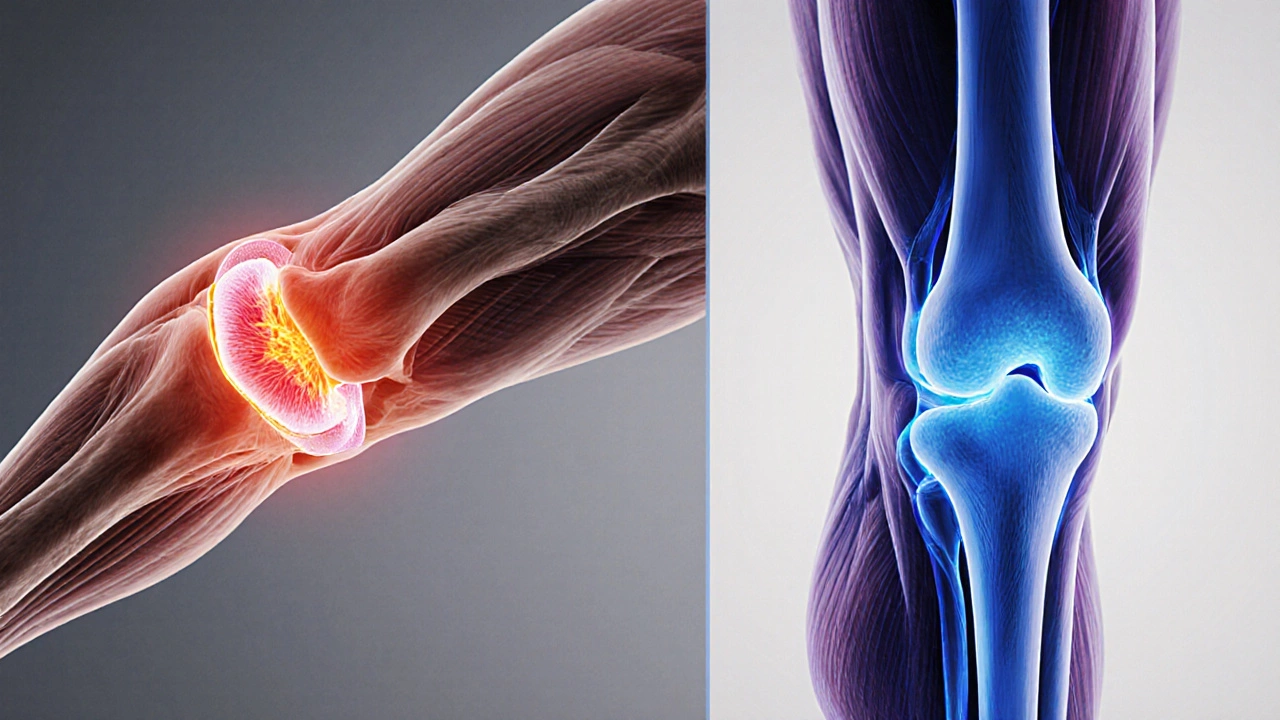
24
OctoberWhich Doctor Treats Joint and Muscle Pain Best?
Learn which doctors treat joint and muscle pain, compare specialties, and get a clear guide to choosing the right professional for lasting relief.
Recent posts
-
 2 Feb 2025
Vata Dosha: Foods and Habits to Avoid for Balance
-
 19 Dec 2025
Which Celebrities Have Undergone IVF Treatment?
-
 9 Mar 2025
How to Shed 20 Pounds in a Month
-
 12 Jun 2025
Top 3 Worst Cancers: Survival Rates, Symptoms, and What to Watch For
-
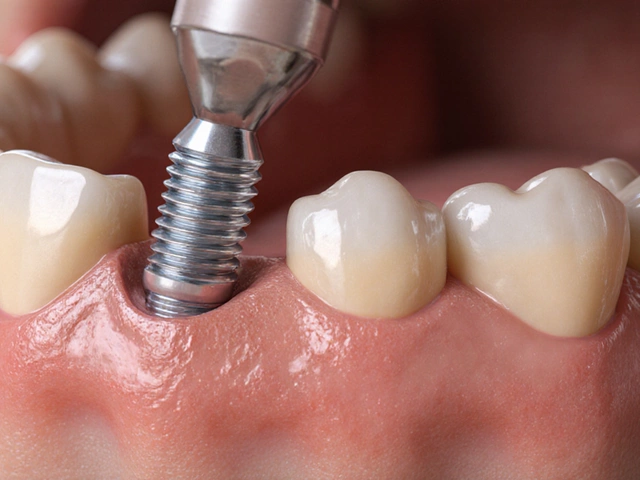 18 Oct 2025
Is It Ever Too Late for Dental Implants? Timing, Risks & Alternatives