International Travel and Health: What You Need to Know Before You Go
When you plan international travel, crossing borders for work, leisure, or family visits. Also known as overseas travel, it means more than just booking a flight—it means preparing your body for new germs, climates, and routines. A trip to Thailand isn’t the same as a trip to Kenya, and neither is like a short stay in Germany. Your health risks change with every destination, and most people don’t realize how much they’re overlooking until they’re sick halfway across the world.
One of the biggest blind spots is vaccination for travel, specific shots required or recommended based on where you’re going. You might think your routine flu shot is enough, but countries like India, Brazil, or parts of Africa require vaccines for yellow fever, typhoid, or hepatitis A. Some vaccines need to be given weeks in advance to work. Skipping them isn’t just risky—it can get you denied entry. And it’s not just about shots. jet lag, the body clock disruption from crossing time zones can mess with your sleep, digestion, and even your mood for days. It’s not just feeling tired—it’s brain fog, nausea, and trouble focusing. Simple fixes like adjusting your sleep schedule a few days before you fly, staying hydrated, and avoiding alcohol on the plane make a huge difference.
Then there’s travel insurance, coverage that protects you if you get sick, injured, or lose your meds abroad. Most people think their credit card or home health plan covers them overseas. It doesn’t. If you need emergency care in Thailand or have to cancel your trip because of a family illness, you could lose thousands. Good travel insurance includes medical evacuation, which is critical if you’re in a remote area. It also covers lost prescriptions—something no one thinks about until they’re out of their diabetes or blood pressure meds.
You’ll also find posts here about what to do after you get back. Some infections don’t show up until weeks after you return. A fever after a trip to India? It could be malaria. A rash after hiking in Nepal? Could be a tick bite. Doctors in your home country might not ask about your travel history unless you tell them. That’s why knowing what you were exposed to matters as much as the trip itself.
This collection doesn’t just list facts—it gives you real, tested advice from people who’ve dealt with travel-related health issues firsthand. You’ll learn what blood tests you might need before or after a long trip, how herbal supplements can backfire when you’re abroad, and why some medications don’t work the same way in different countries. Whether you’re flying for the first time or you’ve been traveling for years, there’s something here that’ll make your next trip safer, smoother, and less stressful.

19
AprilShould I Carry My Medicare Card When Traveling Internationally?
Medicare coverage is a lifeline in the U.S., but things change fast once you cross the border. If you’re heading abroad, your Medicare card might not be as useful as you’d think. Learn what to actually carry, how to stay protected, and which paperwork makes sense for global travel. Get real tips, clear facts, and a no-nonsense plan for taking care of your health when away from home. Don’t pack your bags blind—read up before you fly out.
Recent posts
-
 16 Jan 2026
What Is the Hardest Orthopedic Surgery to Recover From?
-
 31 Mar 2025
Understanding the Average Cost of Travel Medical Insurance
-
 12 Oct 2025
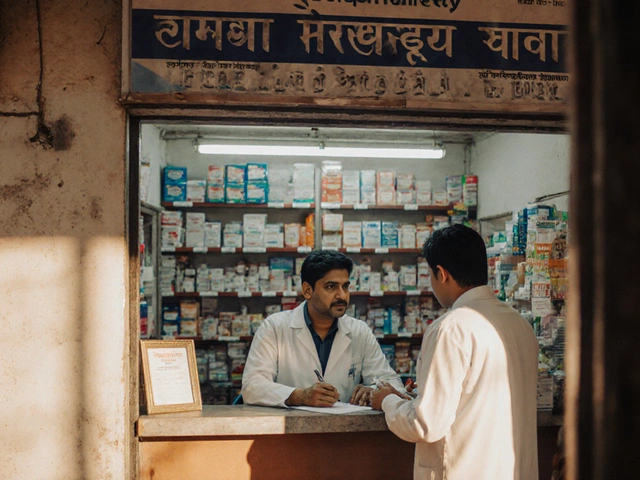
How to Identify the Most Reliable Pharmacy in India
-
 28 Oct 2025
Can You Have Oral Sex After Heart Surgery? What Doctors Really Say
-
 14 Jun 2025
Orthopedic Referrals: Why and When You Need One