Implant Eligibility: Who Can Get Medical Implants and Why It Matters
When we talk about implant eligibility, the set of medical, physical, and lifestyle criteria that determine if a person can safely receive a medical implant. Also known as surgery candidacy, it’s not just about whether you want an implant—it’s about whether your body can handle it, heal from it, and live with it long-term. Many people assume if a doctor says an implant is an option, they’re automatically a good fit. But that’s not true. Implant eligibility isn’t a yes-or-no checkbox. It’s a chain of factors: your age, existing conditions, how well your body heals, your lifestyle, and even your mental readiness to manage post-surgery care.
For example, someone with uncontrolled diabetes might be turned down for a joint implant because high blood sugar slows healing and raises infection risk. Someone with severe osteoporosis might not be eligible for a spinal implant because their bones won’t hold the hardware securely. Even obesity can be a red flag—not just because of surgical difficulty, but because extra weight puts stress on implants like knees or hips, leading to early failure. And it’s not just physical. If you can’t follow up with physical therapy, or if you smoke, your chances of implant failure jump dramatically. These aren’t minor details. They’re deal-breakers for surgeons who’ve seen implants fail because eligibility was ignored.
Implant eligibility also ties into recovery. You can’t just walk out of the hospital and expect to be fine. Many implants—like pacemakers, knee replacements, or cochlear devices—require weeks or months of careful rehab. If you live alone, have no support system, or can’t take time off work, your eligibility might be questioned. It’s not about being lazy. It’s about realism. A knee implant won’t help if you can’t do the exercises needed to keep it working. A heart device won’t save you if you keep eating junk food and skipping meds. Surgeons aren’t saying no to make your life harder. They’re saying no to keep you alive and functional.
What you’ll find in the posts below are real cases and clear facts about who gets approved, who doesn’t, and why. From knee replacements to cardiac devices, we cover the hidden rules doctors use to decide. You’ll learn what conditions automatically disqualify someone, what you can fix before surgery, and how to talk to your doctor so you don’t get caught off guard. This isn’t guesswork. It’s the practical truth behind implant eligibility—what actually matters, and what doesn’t.
18
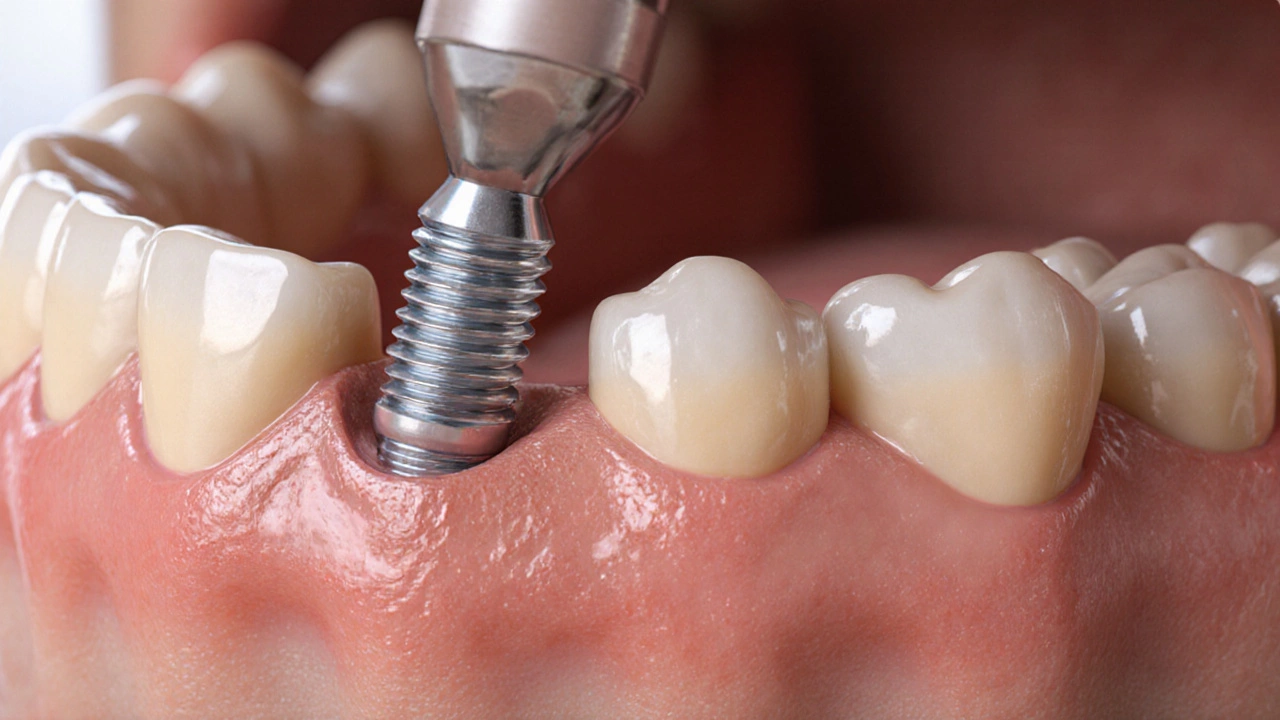
OctoberIs It Ever Too Late for Dental Implants? Timing, Risks & Alternatives
Discover when dental implants become unfeasible, how bone loss, age, and health affect eligibility, and explore alternatives like grafts, bridges, and All‑on‑4.
Recent posts
-
 16 Oct 2025
10 Cancer Warning Signs You Must Not Ignore
-
 15 May 2025
What Country Gets Sick the Most? Eye-Opening Facts for Medical Travelers
-
 10 Jul 2025
Has Anyone Survived Stage 4 Cancer? Real-Life Stories and New Hope
-
 20 Nov 2025
How Soon Can You Do IVF After Having a Baby?
-
 29 Jun 2025
Best Alternatives to Metformin for Type 2 Diabetes Management