Dosha: Understanding Ayurvedic Body Types and How They Affect Your Health
When it comes to health in Ayurveda, Dosha, the three fundamental energies that govern all physical and mental processes in the body. Also known as Vata, Pitta, and Kapha, it’s not just about being "type A" or "type B"—it’s about understanding how your body naturally functions, what makes you feel balanced, and what throws you off track. Unlike Western medicine that treats symptoms, Ayurveda looks at the root: your unique mix of these three energies. Your dominant Dosha shapes everything—from how you digest food and handle stress to your sleep patterns and even how you respond to weather changes.
Think of Dosha like your body’s operating system. Vata, the energy of movement, linked to air and space. Also known as wind or nervous energy, it controls breathing, circulation, and thought flow. Too much Vata? You might feel anxious, have dry skin, or struggle with insomnia. Pitta, the fire and water energy, tied to metabolism and transformation. Also known as digestive fire, it drives your appetite, body temperature, and mental clarity. If Pitta’s out of whack, you could get heartburn, irritability, or skin rashes. And Kapha, the earth and water energy, responsible for structure and stability. Also known as mucus or grounding energy, it gives you strength, stamina, and calm. But when Kapha builds up, you might feel sluggish, gain weight easily, or get stuck in routines.
The 80/20 rule in Ayurveda isn’t about perfection—it’s about balance. You don’t need to eat only warm foods or never skip yoga. You just need to notice what knocks you off balance and gently steer back. That’s why posts on this page cover real-life situations: how herbal supplements can trigger anxiety in Pitta-dominant people, why liver detox myths don’t work if your Dosha is already overloaded, and how recovery timelines after surgery change depending on whether you’re Vata, Pitta, or Kapha. You’ll find practical advice on sleep, diet, and stress based on your body’s natural rhythm—not someone else’s Instagram wellness routine.
Whether you’re trying to fix chronic fatigue, manage joint pain, or just understand why you feel worse in winter, the answer often starts with Dosha. This collection gives you the tools to read your own body—no guesswork, no jargon, just clear connections between what you’re experiencing and what your body needs to heal.
2
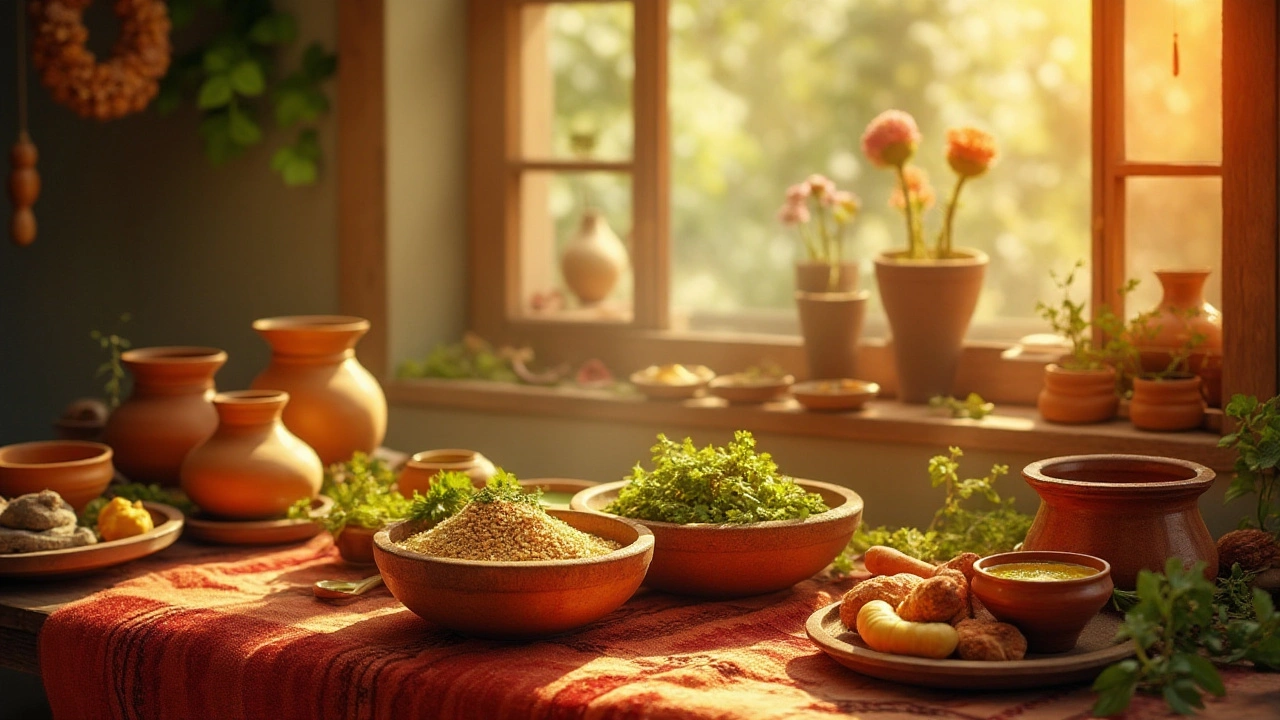
FebruaryVata Dosha: Foods and Habits to Avoid for Balance
Vata dosha, characterized by a cold, dry, and light nature, requires careful management through diet and lifestyle choices. Those with a dominant Vata dosha should avoid certain foods and habits to maintain balance and well-being. By steering clear of specific elements, individuals can enjoy better health and harmony. This article explores the foods, habits, and practices that are best avoided by those with Vata dominance, offering practical advice for everyday living.
Recent posts
-
 16 Dec 2025
How Long Does It Take Herbs to Start Working in Your Body?
-
 10 Mar 2026
Do IVF Babies Look Like Both Moms? The Science Behind Appearance and Genetics
-
 8 Nov 2025
What Is the Hardest Cancer to Cure? Real Challenges and Current Outlook
-
 26 Apr 2025
IVF Cost: What to Expect and How to Plan
-
 23 Jun 2025
Cancer Patient Survival: How Long Can Someone Really Live?