Diabetes Drug Safety: What You Need to Know About Risks and Best Choices
When you’re managing diabetes drug safety, the evaluation of how safe and suitable diabetes medications are for long-term use, considering side effects, organ impact, and risk of low blood sugar. Also known as antidiabetic medication safety, it’s not just about lowering blood sugar—it’s about doing it without harming your heart, kidneys, or daily life. Too many people assume all diabetes pills are equally safe, but that’s not true. Some can drop your blood sugar dangerously low. Others might strain your kidneys or raise your risk of pancreatitis. The right drug for you depends on your age, weight, other health issues, and even your lifestyle.
Metformin, the most commonly prescribed oral diabetes medication, known for its low risk of hypoglycemia and potential heart benefits. Also known as glucophage, it’s often the first choice because it doesn’t cause weight gain and rarely triggers low blood sugar. But even metformin isn’t perfect—it can cause stomach upset, and if your kidneys aren’t working well, your doctor might stop it. Then there’s GLP-1 safety, the risk profile of newer diabetes drugs like Ozempic and Wegovy that mimic gut hormones to control blood sugar and appetite. Also known as GLP-1 agonist safety, these drugs help with weight loss but can cause nausea, vomiting, and in rare cases, inflammation of the pancreas. They’re powerful, but not for everyone. And then there’s the silent danger: hypoglycemia risk, the chance of your blood sugar dropping too low, leading to dizziness, confusion, seizures, or even coma. Also known as low blood sugar danger, this is the #1 emergency tied to diabetes meds like sulfonylureas and insulin. Many people don’t realize their medication could put them at risk until it’s too late.
What you’ll find in the posts below isn’t marketing fluff or drug company brochures. It’s real talk from people who’ve been there, and from doctors who’ve seen the fallout. You’ll learn which diabetes pills are safest for older adults, which ones to avoid if you have kidney disease, and why some weight-loss drugs are being pulled from insurance lists. You’ll see how a pill that works wonders for one person can cause serious problems for another. No jargon. No hype. Just what you need to ask your doctor before you fill that prescription.
1
OctoberSafest Diabetic Medication: A Complete Safety Guide
Discover which diabetes drugs are safest in 2025, covering hypoglycemia risk, heart and kidney benefits, weight effects, and practical tips for choosing the right medication.
Recent posts
-
 4 Dec 2025
Is Going to Mexico for Surgery Safe? What You Need to Know Before You Go
-
 15 Feb 2025
Can I Get a Prescription for Wegovy Online?
-
 10 Oct 2025
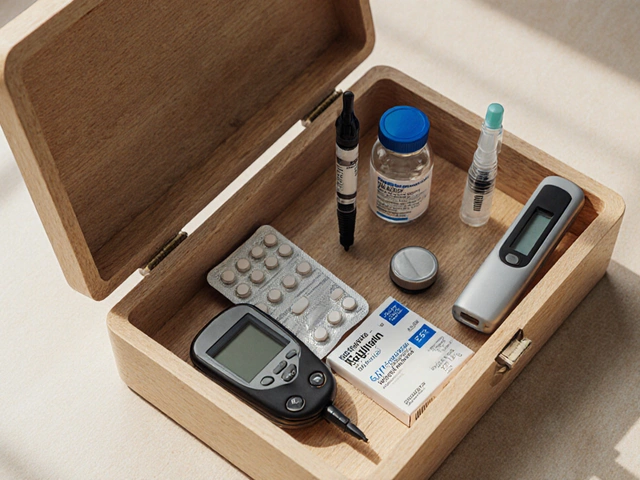
Best Diabetes Medicine: Comprehensive Comparison of Top Treatments (2025)
-
 20 Feb 2025
Best Hospital for Orthopedic Surgery: Choosing with Confidence
-
 20 Jul 2025
Why Therapy Costs So Much: Real Reasons Behind Expensive Mental Health Care