Dental Implants: What They Are, Who Needs Them, and What to Expect
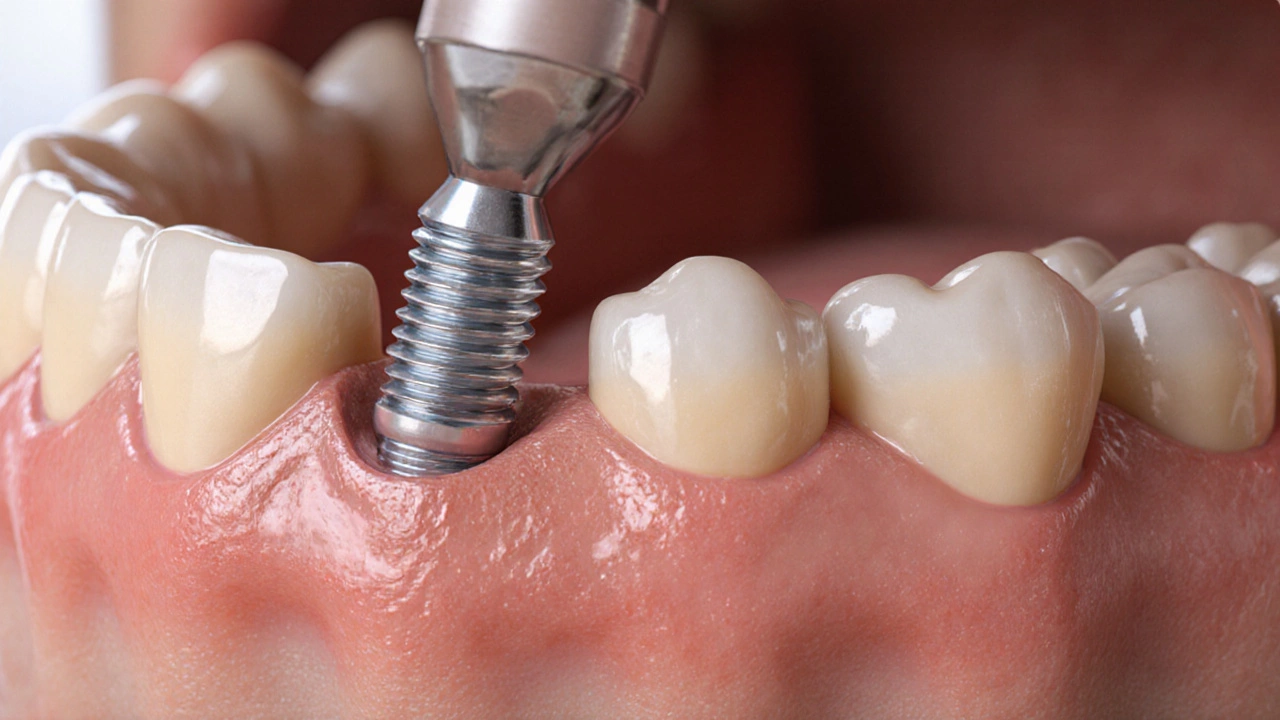
When you lose a tooth, your jawbone starts to shrink. That’s not just about looks—it affects how you chew, speak, and even how your face holds its shape over time. dental implants, screw-like titanium posts placed into the jawbone to support artificial teeth. Also known as tooth implants, they’re the only tooth replacement that stops bone loss because they act like natural tooth roots. Unlike dentures or bridges, they don’t rely on nearby teeth for support. They fuse with your bone over time, creating a stable, permanent solution that feels and functions like your original teeth.
Not everyone is a candidate. If you’ve lost bone due to long-term tooth loss, you might need a bone graft, a procedure to rebuild jawbone density before implant placement. People with uncontrolled diabetes, heavy smokers, or those on certain osteoporosis drugs often face higher risks. But for most healthy adults, dental implants have a success rate above 95%. The process usually takes 3 to 6 months—from initial surgery to final crown placement—because your body needs time to heal and integrate the implant. It’s not a quick fix, but it’s the closest thing to getting your natural tooth back.
Recovery isn’t as bad as most people think. Most patients go back to work the next day. Swelling and mild pain are normal for a few days, and you’ll stick to soft foods for the first week. But after that, you can eat apples, steak, and popcorn without worry. Unlike dentures, they don’t slip or click. No adhesives. No nightly removal. Just brush and floss like normal. And because they’re anchored in bone, they last decades—if you take care of your gums. Gum disease is the #1 reason implants fail, so regular cleanings matter as much as the surgery itself.
What you won’t find in ads is how much it costs without insurance. In India, a single implant can run from ₹25,000 to ₹60,000, depending on the clinic, brand, and whether bone grafting is needed. Some clinics offer payment plans. Others bundle the crown, abutment, and surgery into one price. Always ask what’s included. And remember: the cheapest option isn’t always the best. Look for dentists who specialize in implants, not general practitioners doing it on the side.
There’s a reason dental implants are the gold standard. They don’t just replace teeth—they restore confidence, function, and long-term oral health. Below, you’ll find real patient stories, recovery timelines, and expert advice on choosing the right provider, managing pain, and avoiding common mistakes that lead to implant failure.

23
DecemberAre You Put to Sleep for Dental Implants? What Really Happens During the Procedure
Most dental implant procedures use local anesthesia, not full sedation. Learn when you might be put to sleep, what sedation options exist, how much they cost, and what to expect during and after surgery.
18
OctoberIs It Ever Too Late for Dental Implants? Timing, Risks & Alternatives
Discover when dental implants become unfeasible, how bone loss, age, and health affect eligibility, and explore alternatives like grafts, bridges, and All‑on‑4.
Recent posts
-
 20 Oct 2025
Top Mental Health Therapies: Which One Is the Best for You?
-
 14 Mar 2025
Is Stage 4 Cancer Always Terminal?
-
 20 Jul 2025
Why Therapy Costs So Much: Real Reasons Behind Expensive Mental Health Care
-
 3 May 2025
Medical Tourism: What Is It and Why Are People Doing It?
-
 22 May 2025
Can You Have Cancer and Feel Fine? Surprising Truths About Silent Symptoms