Cancer Miracles: Real Stories, Real Science, and What Actually Works
When people talk about cancer miracles, unexpected recoveries from advanced cancer that defy medical odds. Also known as spontaneous remission, it's a term that stirs hope—but also confusion. These aren’t magic. They’re often the result of early detection, personalized treatment, and sometimes, sheer resilience. The truth? Most so-called miracles happen because someone caught the cancer early, tried a treatment that fit their biology, or refused to give up when others said there was no hope.
Behind every story of remission is a chain of real actions: a routine blood test that spotted something odd, a second opinion that changed the game, or a patient who pushed back on a treatment plan that didn’t feel right. early cancer detection, finding cancer before it spreads, often through simple screenings. Also known as screening for cancer, it’s the single biggest factor in turning a deadly diagnosis into a manageable condition. Pancreatic cancer, for example, is hard to cure because it shows no symptoms until it’s too late. But cancers like breast, colon, and skin cancer? They’re often beatable—if you know the warning signs. That’s why lists like the 10 cancer warning signs you must not ignore aren’t fearmongering—they’re lifelines.
And then there’s the cancer treatment, the medical approaches used to shrink or eliminate tumors, including surgery, chemo, radiation, and immunotherapy. Also known as oncology care, it’s not one-size-fits-all. What works for one person might do nothing for another. That’s why doctors now look at your tumor’s DNA, not just its location. Immunotherapy, for instance, doesn’t kill cancer directly—it teaches your immune system to do it. And yes, some people have walked away from Stage 4 cancer after trying it. But it’s not a miracle drug. It’s science, tested, tracked, and tailored.
What you won’t find in miracle stories? Herbal cures that promise to dissolve tumors overnight. No supplement, no detox tea, no apple cider vinegar will cure cancer. But what can help? Losing weight, quitting smoking, eating real food, and staying active. These aren’t glamorous, but they’re backed by data. And they’re the foundation for every successful treatment plan.
There’s also the emotional side. The people who beat the odds often didn’t just fight cancer—they fought despair. They found therapists who understood, joined support groups, and learned to ask for help. Mental health isn’t a side note in cancer care. It’s part of the treatment. The most disabling mental illnesses—like severe depression and PTSD—can show up after diagnosis. And ignoring them makes recovery harder.
So what do cancer miracles really mean? They mean hope is real—but it’s earned. Not through wishful thinking, but through action. Through knowing the signs. Through asking the right questions. Through sticking with treatments that fit you. Through refusing to accept a label as a death sentence.
Below, you’ll find real, no-fluff articles that cut through the noise. From what makes certain cancers nearly impossible to cure, to how to spot the warning signs before it’s too late. No hype. No false promises. Just facts, stories, and the kind of clarity that helps you make smarter choices—for yourself or someone you love.
10
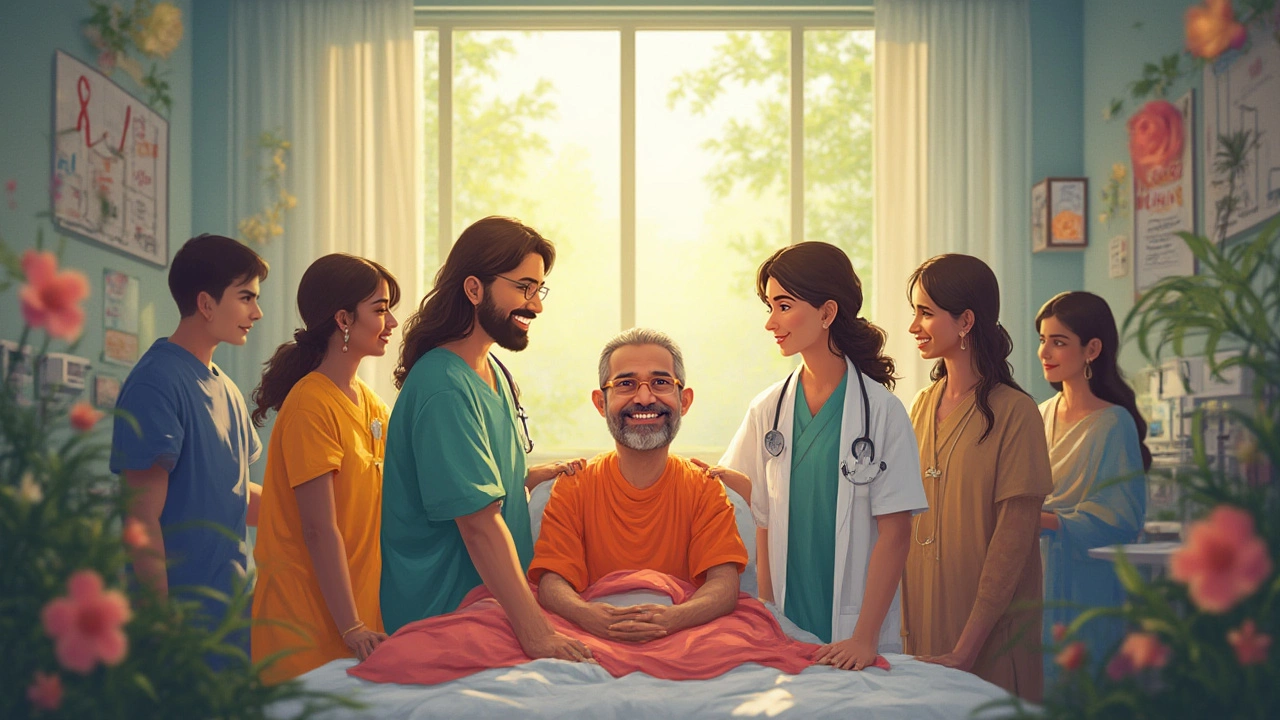
JulyHas Anyone Survived Stage 4 Cancer? Real-Life Stories and New Hope
Explore real stories and the medical science behind surviving stage 4 cancer. Understand what makes recovery possible, with facts, stats, and hope-filled insights.
Recent posts
-
 16 Jan 2026
What Is the Hardest Orthopedic Surgery to Recover From?
-
 11 Oct 2025
Average Rehab Stay After Knee Replacement: What to Expect
-
 19 Oct 2025
Why You Can’t Shower After Knee Replacement Surgery - Risks & Safe Alternatives
-
 16 Dec 2025
How Long Does It Take Herbs to Start Working in Your Body?
-
 28 Oct 2025
Can You Have Oral Sex After Heart Surgery? What Doctors Really Say