Cancer Awareness: What You Need to Know About Detection, Prevention, and Hope
When we talk about cancer awareness, the collective effort to recognize early signs, reduce risk, and support timely diagnosis of cancer. Also known as cancer education, it's not about fear—it's about action. Too many people wait until symptoms become impossible to ignore. But the truth is, many cancers are treatable—or even curable—if caught early. That’s why awareness isn’t just a campaign slogan. It’s a lifeline.
Cancer awareness connects directly to cancer detection, the process of identifying cancer before it spreads, often through routine tests or self-exams. Blood tests like a full body panel can flag hidden issues like abnormal cell growth or organ stress. Screening tools like mammograms, colonoscopies, and skin checks aren’t optional extras—they’re essential. And while pancreatic cancer is among the hardest to catch early due to vague symptoms, other types—like breast, cervical, and colorectal—have proven screening methods that save lives every day.
Then there’s cancer prevention, the set of lifestyle choices and medical actions that lower your chance of developing cancer. It’s not about being perfect. It’s about reducing risks: quitting smoking, limiting alcohol, staying active, eating less processed food, and protecting your skin from UV rays. Even small changes matter. And let’s be clear—no supplement, herb, or detox tea replaces these proven steps. You won’t prevent cancer with apple cider vinegar or green tea extract alone. You prevent it with consistent, real habits.
And then there’s the emotional side: cancer survival rate, the percentage of people alive a certain number of years after diagnosis, which varies widely by cancer type, stage, and access to care. Some cancers have survival rates above 90% when found early. Others, like pancreatic cancer, still hover below 10%—not because treatment doesn’t exist, but because it’s often too late by the time it’s found. That’s why awareness isn’t just personal—it’s public. It’s about pushing for better screening access, pushing back against stigma, and asking the right questions when something feels off.
What you’ll find here aren’t vague motivational quotes or fear-based ads. These are real stories, clear facts, and practical guidance from people who’ve been there. You’ll read about what tests actually matter, what symptoms to never ignore, how to talk to your doctor without feeling overwhelmed, and what hope looks like today—not in 20 years, but right now. Whether you’re worried about yourself, a parent, or a friend, this isn’t about guessing. It’s about knowing.
16
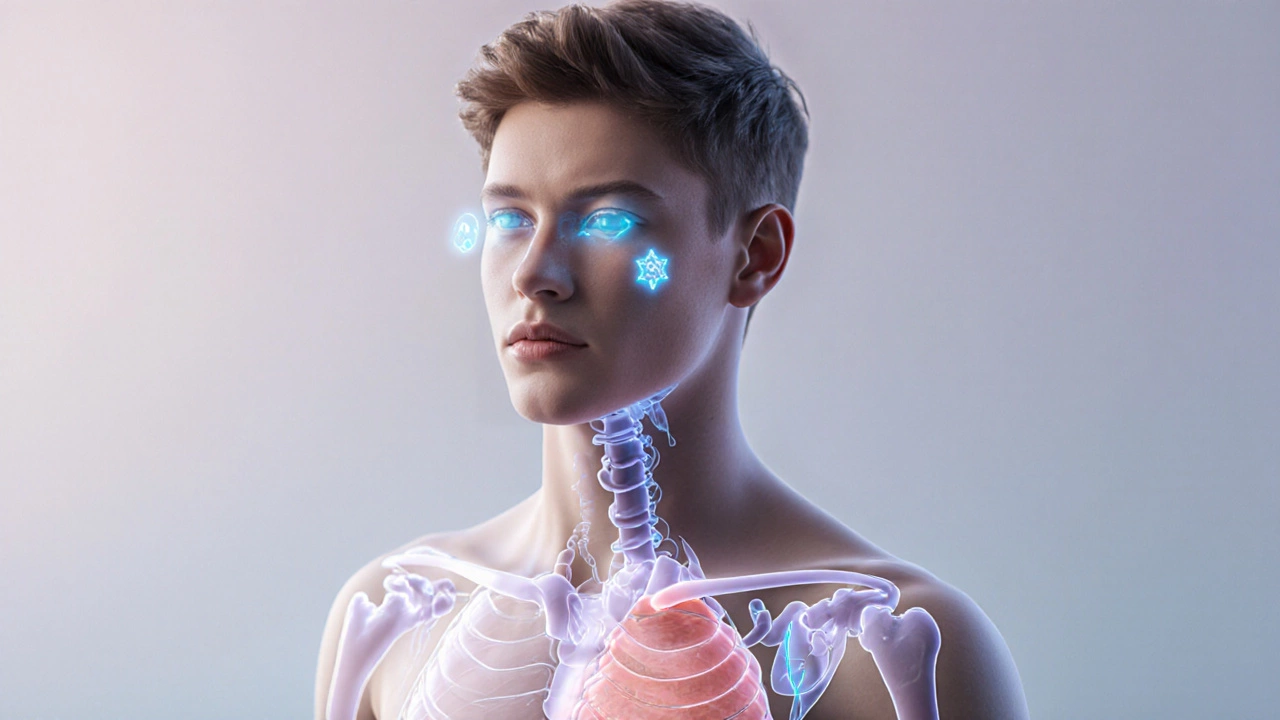
October10 Cancer Warning Signs You Must Not Ignore
Learn the 10 early cancer warning signs you shouldn't ignore, why they matter, and how to act fast for better outcomes.

22
MayCan You Have Cancer and Feel Fine? Surprising Truths About Silent Symptoms
Many people think cancer always shows clear symptoms, but you can actually have cancer and feel completely fine. This article explores how cancer can stay hidden, why regular check-ups are important, and which cancers are often silent in their early stages. You'll also get practical tips to protect your health and dodgy warning signs you shouldn't ignore. Read on for eye-opening facts that could make all the difference.

8
MarchWhat's the Most Feared Cancer?
Cancer isn't just a medical term; it's a word that stirs fear and anxiety in many. Of the various types of cancers, some are particularly dreaded. This article explores which cancer is most feared and why. It offers insights into the treatment options available and what makes this type of cancer so intimidating. Understanding the fear is the first step towards demystifying it and the potential ways to cope.
Recent posts
-
 6 Feb 2025
How Long Should Mental Health Therapy Last?
-
 12 Jul 2025
Hidden Risks: Disadvantages of Herbal Supplements Explained
-
 6 Apr 2025
Discover the 4 Essential Types of Skincare
-
 17 Jul 2025
New Diabetes Drug 2024: Latest Treatment Breakthroughs for Better Blood Sugar Control
-
 8 Oct 2025
Top Destinations Where Americans Seek Medical Treatment Abroad