Bone Loss: What Causes It and How to Stop It
When your bones start losing density, it’s called bone loss, the gradual thinning and weakening of bone tissue that increases fracture risk. Also known as osteopenia, it’s not something that happens overnight—it creeps in over years, often without warning signs until you fall and break something. This isn’t just about getting older. People in their 30s and 40s can start losing bone mass if their diet, activity, or hormones are out of balance.
What drives this? The biggest culprits are low calcium, the mineral your bones are mostly made of, and not enough vitamin D, the hormone-like nutrient that helps your body absorb calcium. If you don’t get sunlight, eat dairy, or take supplements, your bones start pulling calcium from your own skeleton to keep your blood levels steady. That’s why people with poor diets, those who avoid the sun, or who’ve had gastric surgery are at higher risk. Other factors? Too much caffeine, smoking, heavy alcohol use, and certain medications like long-term steroids. Even being inactive—sitting all day—signals your body that bones aren’t needed, so it breaks them down.
Here’s the good part: you can slow or even reverse early bone loss. Weight-bearing exercise like walking, lifting weights, or dancing tells your bones to stay strong. Eating foods rich in calcium—like yogurt, leafy greens, sardines, and fortified plant milks—gives your body the raw material it needs. And vitamin D? You can get it from eggs, fatty fish, or a simple supplement if your levels are low. A blood test can check both, and many doctors skip this unless you’re elderly. But if you’ve had a fracture after a minor fall, or you’re postmenopausal, or you’ve lost height, it’s time to ask.
What you’ll find in the articles below aren’t generic advice. They’re real, practical insights from people who’ve dealt with this—how a full body blood test can catch early signs of mineral imbalance, why some herbal supplements might make bone loss worse, and how recovery after major surgery affects your skeleton. No fluff. Just what you need to know to protect your bones before they break.
18
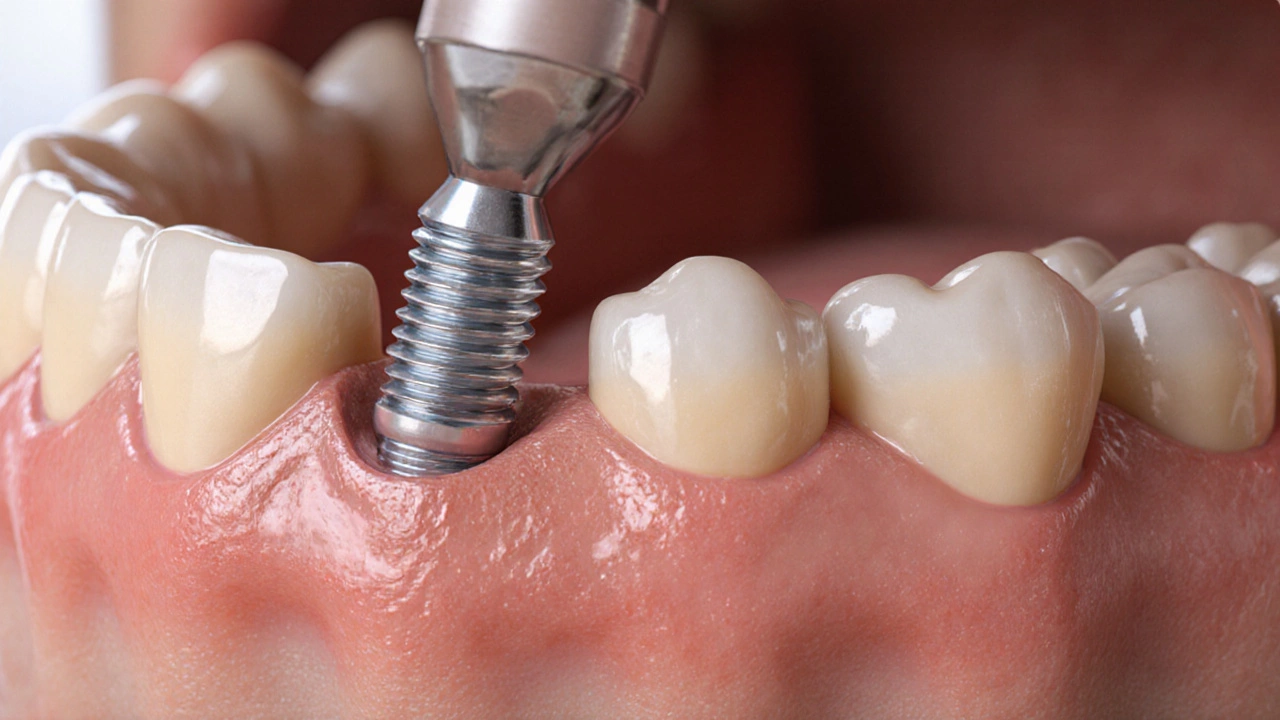
OctoberIs It Ever Too Late for Dental Implants? Timing, Risks & Alternatives
Discover when dental implants become unfeasible, how bone loss, age, and health affect eligibility, and explore alternatives like grafts, bridges, and All‑on‑4.
Recent posts
-
 22 Oct 2025
Safest Diabetic Pill: What You Need to Know
-
 6 Apr 2025
Discover the 4 Essential Types of Skincare
-
 4 Mar 2026
Can I lose 30 pounds on metformin? What really happens when you take metformin for weight loss
-
 13 Jan 2025
Forbidden Foods and Medications for Diabetics: An Informative Guide
-
 10 Apr 2025
Do You Eat Meat in Ayurveda?