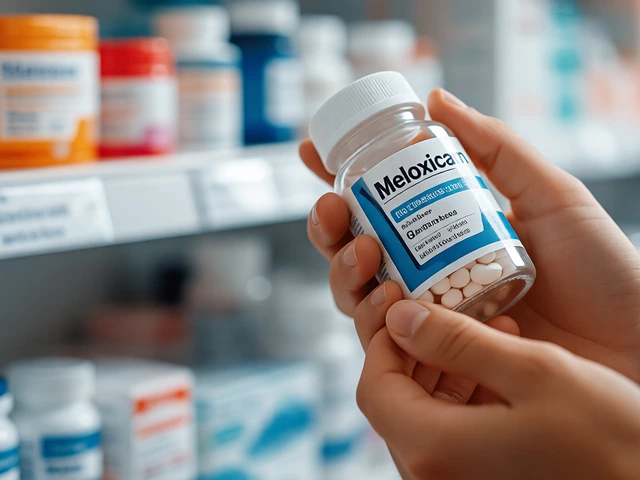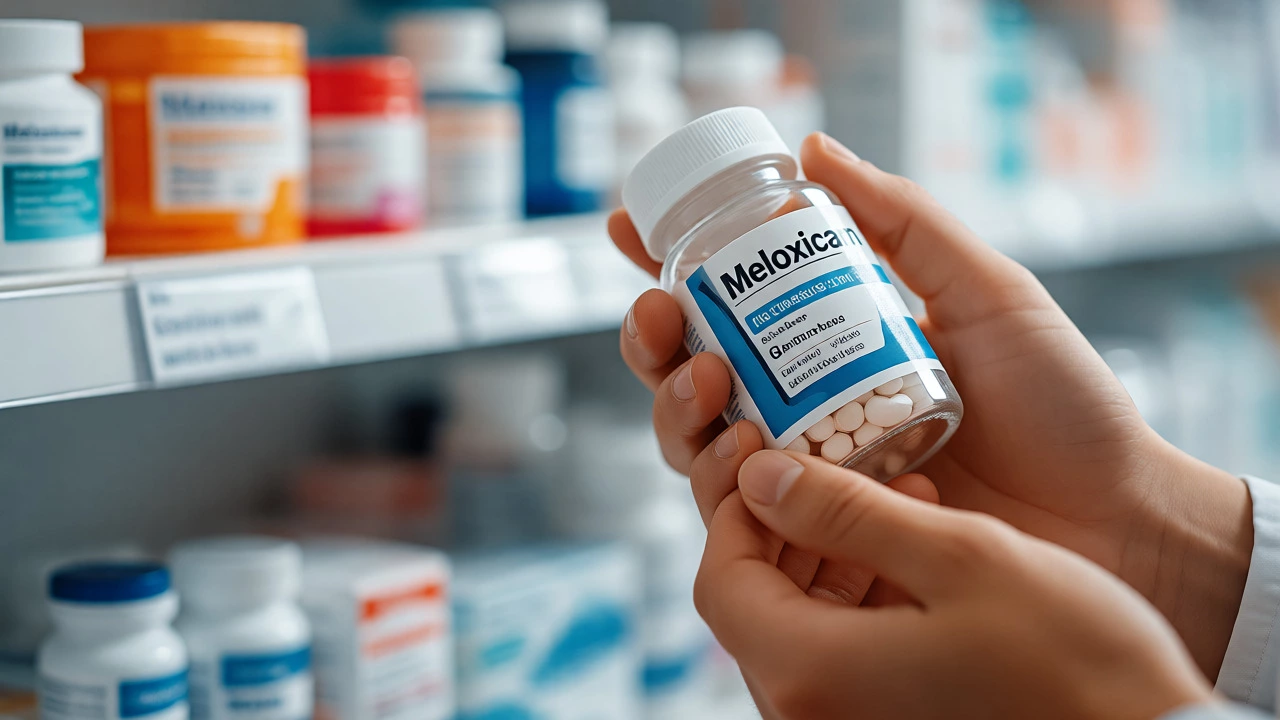
Pain Relief Classifier: NSAID vs. Narcotic
Are you confused about whether your medication is an opioid or an anti-inflammatory? Use this tool to classify common pain relievers and understand the critical safety differences between them.
Select a medication and click "Analyze" to see its classification.
Key Differences at a Glance
| Feature | NSAIDs (e.g., Meloxicam) | Narcotics/Opioids |
|---|---|---|
| Primary Mechanism | Reduces inflammation at the site of injury | Blocks pain signals in the brain/CNS |
| Addiction Potential | None | High |
| Main Risks | Stomach ulcers, kidney stress, heart risk | Respiratory depression, sedation, dependence |
| Mental State | Mind remains sharp | May cause foggy thinking or euphoria |
You’re in pain. Maybe it’s your back after lifting boxes, or your knees acting up on the stairs. You go to the pharmacy, and the pharmacist hands you a bottle of Meloxicam. You read the label, see warnings about stomach issues, and suddenly panic sets in. Is this stuff going to get me high? Am I becoming addicted? People keep asking if meloxicam is a narcotic, and the answer isn’t just "no"-it’s a crucial distinction that affects how you manage your pain and what side effects you should actually watch for.
The Short Answer: No, It’s Not a Narcotic
Let’s clear the air immediately. Meloxicam is not a narcotic. It does not belong to the class of drugs known as opioids (like oxycodone, hydrocodone, or morphine). If you are worried about getting "high," feeling euphoric, or facing the severe withdrawal symptoms associated with narcotics, you can relax. Meloxicam works entirely differently. It belongs to a group of medications called Non-Steroidal Anti-Inflammatory Drugs, or NSAIDs. Unlike narcotics, which target receptors in your brain to block pain signals, NSAIDs work at the site of the injury or inflammation itself. They reduce swelling and irritation, which in turn reduces pain.
This distinction matters because narcotics carry a risk of dependency and respiratory depression. Meloxicam doesn’t touch those pathways. However, just because it isn’t a narcotic doesn’t mean it’s harmless. It has its own set of risks, primarily related to your heart, kidneys, and stomach lining. But addiction? That’s not on the list.
How Meloxicam Actually Works
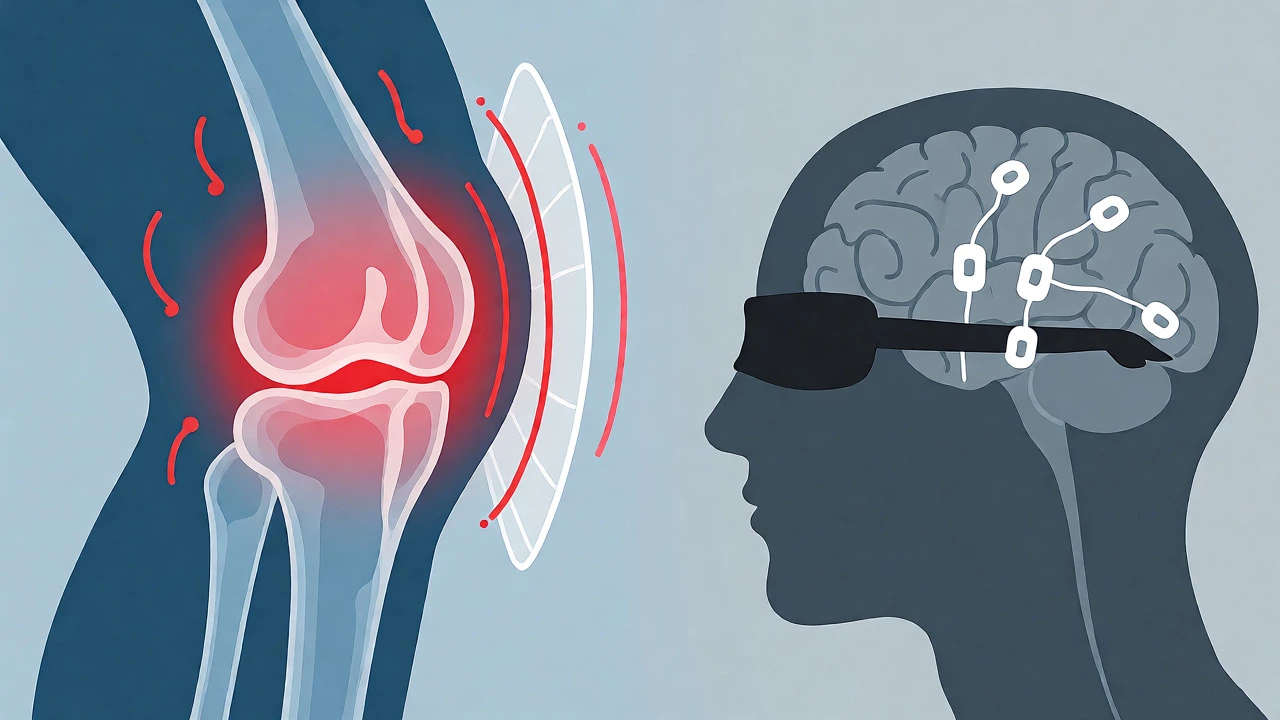
To understand why it’s not a narcotic, you have to look under the hood. When you injure yourself, your body produces chemicals called prostaglandins. These chemicals cause inflammation, fever, and pain. Think of prostaglandins as the alarm system ringing in your body. Meloxicam blocks an enzyme called COX-2 (cyclooxygenase-2), which helps produce these prostaglandins. By lowering the number of prostaglandins, meloxicam turns down the volume on that alarm.
Narcotics, on the other hand, bind to opioid receptors in the central nervous system. They don’t fix the inflammation; they just mask the perception of pain. This is why narcotics can make you feel detached from reality, while meloxicam simply makes the swollen joint feel less angry. The mechanism is local versus systemic. One treats the fire; the other puts a blindfold on the firefighter.
Key Differences: Meloxicam vs. Narcotics
If you’ve ever taken prescription painkillers for surgery or severe trauma, you might wonder how meloxicam stacks up against them. Here is a breakdown of the critical differences between these two common types of pain relievers.
| Feature | Meloxicam (NSAID) | Narcotics (Opioids) |
|---|---|---|
| Drug Class | Non-Steroidal Anti-Inflammatory Drug | Opioid Analgesic |
| Addiction Potential | None | High (Physical and psychological dependence) |
| Primary Action | Reduces inflammation and pain | Blocks pain signals in the brain |
| Sedation | Minimal to none | Common (drowsiness, foggy thinking) |
| Respiratory Risk | Low | High (can slow breathing dangerously) |
| Stomach Impact | High risk of ulcers/bleeding | Low risk of ulcers, but causes constipation |
Notice the trade-off. Narcotics are potent but risky for your mental clarity and breathing. Meloxicam keeps your mind sharp but attacks your stomach lining. Choosing between them depends entirely on the source of your pain. If you have arthritis, meloxicam is often preferred because it tackles the inflammation driving the pain. If you have broken bones or post-surgical trauma, a doctor might prescribe a short course of narcotics because the pain is too intense for NSAIDs alone.
Who Should Be Careful With Meloxicam?
Even though it’s not addictive, meloxicam is powerful. It’s not suitable for everyone. Since it inhibits COX enzymes, it affects blood clotting and kidney function. If you have a history of heart disease, stroke, or high blood pressure, you need to be cautious. The FDA requires a boxed warning on all NSAIDs regarding increased risk of heart attack and stroke, especially with long-term use.
Kidney health is another major factor. Prostaglandins help maintain blood flow to the kidneys. When you block their production with meloxicam, you reduce that blood flow. For healthy people, this is usually fine. But if you are already dehydrated, have chronic kidney disease, or take diuretics (water pills), meloxicam can push your kidneys into stress mode. Always stay hydrated when taking this medication.
Then there’s the stomach. We mentioned this earlier, but it bears repeating. Meloxicam reduces the protective mucus layer in your stomach. Without that barrier, stomach acid can eat away at the lining, causing gastritis or ulcers. If you have had ulcers before, doctors will often prescribe a proton pump inhibitor (like omeprazole) alongside meloxicam to protect your gut.
Dosage and Duration: Less Is More
A common mistake patients make is treating meloxicam like Tylenol-taking it whenever they feel a twinge of pain. But meloxicam has a long half-life, meaning it stays in your system for about 15 to 20 hours. You typically only need to take it once a day. Taking more won’t necessarily kill the pain faster; it just increases the risk of side effects.
- Standard Dose: Usually 7.5 mg or 15 mg once daily.
- Maximum Daily Dose: Generally capped at 15 mg for adults.
- Duration: Use the lowest effective dose for the shortest time possible.
If you’ve been taking it for weeks without improvement, talk to your doctor. Continuing to take it "just in case" exposes you to unnecessary risks without guaranteed benefits. Chronic pain management often involves physical therapy, weight loss, or alternative therapies rather than indefinite NSAID use.

Can You Mix Meloxicam With Other Pain Relievers?
This is where things get tricky. Many people think mixing meds is safe if they aren’t narcotics. It’s not always true. Never combine meloxicam with other NSAIDs like ibuprofen (Advil, Motrin) or naproxen (Aleve). Doubling up on NSAIDs doesn’t double the pain relief; it doubles the risk of stomach bleeding and kidney damage.
However, combining meloxicam with acetaminophen (Tylenol) is often safe and effective. Acetaminophen works through a different pathway and doesn’t irritate the stomach. Doctors frequently recommend alternating or combining these two for moderate pain. Just remember that many cold and flu medicines contain hidden acetaminophen, so check labels to avoid accidental overdose.
What about alcohol? While meloxicam isn’t sedating like a narcotic, alcohol irritates the stomach lining. Combining the two significantly raises the chance of gastrointestinal bleeding. If you’re on meloxicam, limit your drinks strictly.
Real-World Scenarios: When to Choose What
Imagine you have osteoarthritis in your hands. Your joints are stiff and swollen in the morning. Meloxicam is a great choice here because it reduces the swelling that causes the stiffness. You’ll likely feel better within a few days, and you can drive to work without feeling foggy.
Now, imagine you fell off a ladder and fractured your wrist. The pain is sharp, constant, and disrupts sleep. Meloxicam might help with the swelling around the fracture, but it likely won’t touch the acute bone pain. In this case, a doctor might prescribe a mild narcotic for the first few days, then switch you to meloxicam as the healing progresses.
Understanding this context helps you communicate better with your healthcare provider. Instead of asking, "Is this strong enough?", ask, "Is my pain inflammatory or neuropathic?" That question guides the right treatment plan.
Does meloxicam show up on drug tests?
No, meloxicam does not show up on standard urine drug screens for opioids or narcotics. It is an NSAID and is generally not tested for in employment or legal drug panels unless specifically requested. However, always inform your testing facility about any medications you are taking.
Can I take meloxicam if I am allergic to aspirin?
Usually, no. Aspirin is also an NSAID. If you have had an asthma attack, hives, or other allergic reactions to aspirin or other NSAIDs, you should avoid meloxicam. There is a cross-reactivity risk among NSAIDs. Consult your doctor for alternative pain management options.
How long does it take for meloxicam to start working?
You may notice some pain relief within 30 to 60 minutes, but the full anti-inflammatory effect can take several days to build up. For conditions like arthritis, it might take up to a week of consistent daily use to feel the maximum benefit.
Is meloxicam stronger than ibuprofen?
They are different tools. Meloxicam is longer-acting and often considered more potent for chronic inflammatory conditions like arthritis. Ibuprofen is shorter-acting and better suited for acute, short-term pain like headaches or minor injuries. "Stronger" depends on the type of pain you are treating.
Can I take meloxicam with coffee?
Yes, drinking coffee with meloxicam is generally safe. Caffeine does not interact negatively with meloxicam. However, since both coffee and NSAIDs can irritate the stomach, taking meloxicam with food is recommended to minimize gastric discomfort.