Vata: Understanding Ayurveda's Key Dosha and Its Impact on Health
When it comes to Ayurveda, Vata, the dosha that controls movement, nerve impulses, and circulation in the body. Also known as the air and ether element, it's what keeps your breath flowing, your thoughts racing, and your digestion moving. If you’ve ever felt restless, dry-skinned, or couldn’t sleep because your mind wouldn’t shut off, you’ve likely felt Vata’s influence. It’s not just a theory—it’s the reason some people feel energized by cold weather while others freeze up and spiral into anxiety.
Think of your body like a car. Vata is the engine. Without it, nothing moves. But if it’s running too fast, too unevenly, or without proper oil (which in Ayurveda means warmth and nourishment), everything starts to rattle. That’s when you get constipation, joint pain, insomnia, or sudden mood swings. Vata isn’t bad—it’s essential. But when it’s out of balance, it drags everything else down. And here’s the catch: most people don’t realize they’re dealing with Vata imbalance until it’s already affecting their sleep, digestion, or mental clarity. The good news? You don’t need to overhaul your life. Small, consistent shifts—like eating warm meals, going to bed before 10 p.m., and avoiding raw salads in winter—can bring it back in line.
Related to Vata are its two cousins: Pitta, the fire and water dosha that drives metabolism and transformation, and Kapha, the earth and water dosha that provides structure and stability. These three aren’t separate—they talk to each other. Too much Vata can overstimulate Pitta, leading to acid reflux or irritability. Too little Kapha leaves you feeling brittle and worn out. That’s why the 80/20 rule in Ayurveda, a practical approach to balance that allows flexibility without perfection works so well. You don’t have to be perfect. You just need to be consistent enough to keep Vata from spinning out of control.
Real people—like those managing stress, chronic fatigue, or digestive issues—aren’t looking for ancient mysticism. They’re looking for what works today. And that’s why the posts here focus on practical, everyday links between Vata and real health concerns: how it affects sleep after surgery, why anxiety spikes in winter, how herbal supplements can tip the scales, and why a simple routine beats a complicated detox. You’ll find stories about people who fixed their digestion by warming their meals, stopped panic attacks by grounding their routines, and got better sleep by ditching late-night scrolling. No magic pills. No expensive cleanses. Just clear, simple adjustments that match how your body actually works.
What follows isn’t a textbook. It’s a collection of real questions, real answers, and real experiences tied to Vata and how it shows up in modern Indian life—whether you’re dealing with joint pain after winter, trouble falling asleep after having a baby, or wondering why that ‘natural’ supplement made your anxiety worse. These aren’t theories. They’re lived truths. And they’re all connected to Vata—whether you realize it or not.
2
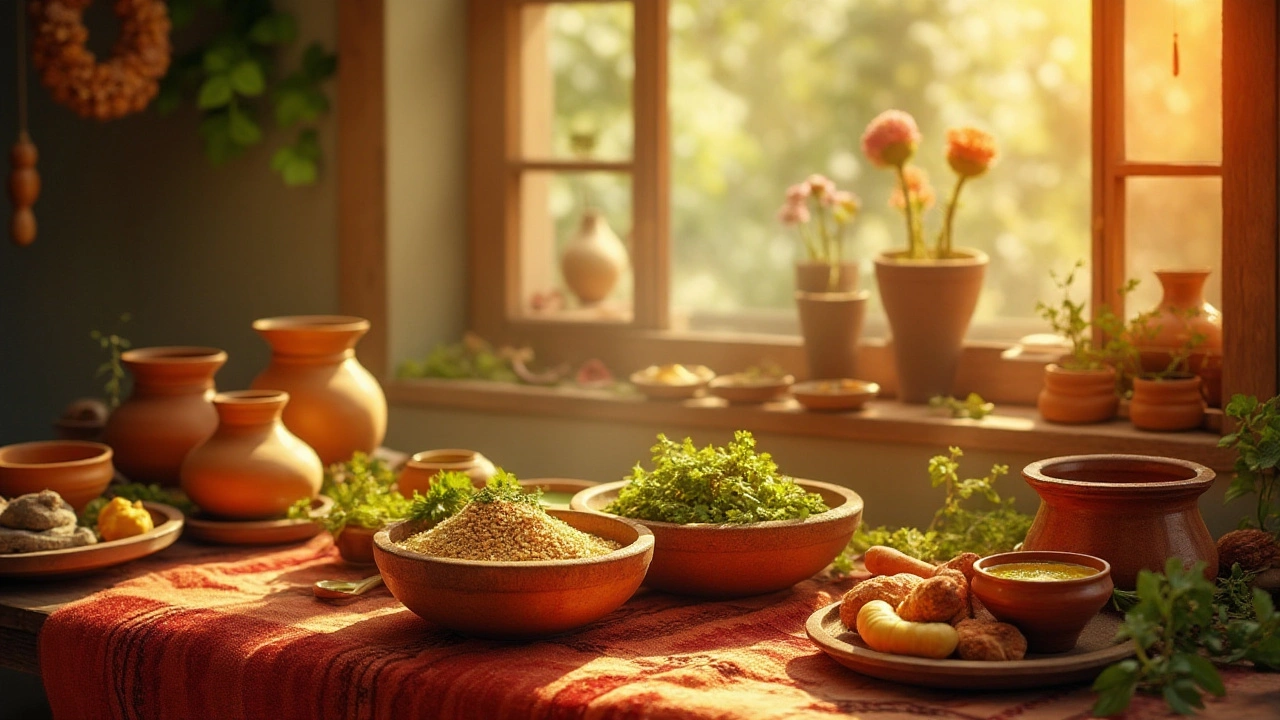
FebruaryVata Dosha: Foods and Habits to Avoid for Balance
Vata dosha, characterized by a cold, dry, and light nature, requires careful management through diet and lifestyle choices. Those with a dominant Vata dosha should avoid certain foods and habits to maintain balance and well-being. By steering clear of specific elements, individuals can enjoy better health and harmony. This article explores the foods, habits, and practices that are best avoided by those with Vata dominance, offering practical advice for everyday living.
Recent posts
-
 2 Jun 2025
Holistic vs Homeopathic: What’s the Real Difference?
-
 10 Oct 2025
Best Diabetes Medicine: Comprehensive Comparison of Top Treatments (2025)
-
 16 Jan 2026
What Is the Hardest Orthopedic Surgery to Recover From?
-
 17 Jan 2025
Post-Knee Surgery Bowel Movements: What to Expect
-
 24 Jan 2025
Chemotherapy and Kissing: Understanding the Risks and Precautions