Travel Safety in India: What You Need to Know Before You Go
When you're planning a trip to India, travel safety, the combination of health, hygiene, and environmental awareness that keeps you protected while on the move. Also known as trip preparedness, it's not just about locking your bag—it's about knowing what can go wrong and how to stop it before it starts. India offers rich culture, incredible food, and unforgettable experiences, but it also comes with unique health risks that many travelers overlook. You don’t need to be an expert to stay safe—you just need to know what matters.
One of the biggest risks isn’t pickpockets or scams—it’s food and water safety, how what you eat and drink can lead to traveler’s diarrhea, typhoid, or hepatitis A. Over 60% of travelers to India get sick from something they consumed. Bottled water isn’t always enough—bottles can be refilled, ice can be made from tap water, and even fruit washed in local water can carry harmful bacteria. Stick to sealed bottles, avoid raw salads, and choose hot, freshly cooked meals. If you’re unsure, skip it. Your stomach will thank you.
Then there’s vaccinations, the shots you need before you go to prevent diseases that are rare in other countries but common in India. Hepatitis A, typhoid, and tetanus are basics. Rabies is a real threat if you’re around stray dogs—which you will be. Polio is still present in some areas. And if you’re staying longer or heading to rural zones, Japanese encephalitis and cholera vaccines might be worth considering. Talk to a travel clinic at least 4–6 weeks ahead. Don’t wait until the day you leave.
Medications matter too. Carry a small travel kit: oral rehydration salts for diarrhea, a strong antiseptic for cuts, and maybe an antibiotic like ciprofloxacin (if prescribed). Know where to find reliable pharmacies—chain stores like Apollo or MedPlus are safer than street vendors. And if you’re on regular meds, bring extra. Pharmacies in India may not stock the same brands you use back home.
Climate, altitude, and pollution also play a role. In cities like Delhi, air quality can drop to dangerous levels. If you have asthma or heart issues, check the AQI before heading out. In mountain areas like Himachal or Uttarakhand, altitude sickness can sneak up fast. Drink water, move slow, and watch for headaches or dizziness.
What you’ll find below are real, practical posts that cover exactly what you need: how to avoid getting sick from food, what to pack in your first-aid kit, why some herbal supplements can backfire abroad, what blood tests you might need after returning, and even how to handle mental health stress while traveling. These aren’t generic tips—they’re based on actual cases, doctor advice, and what works on the ground in India.
15
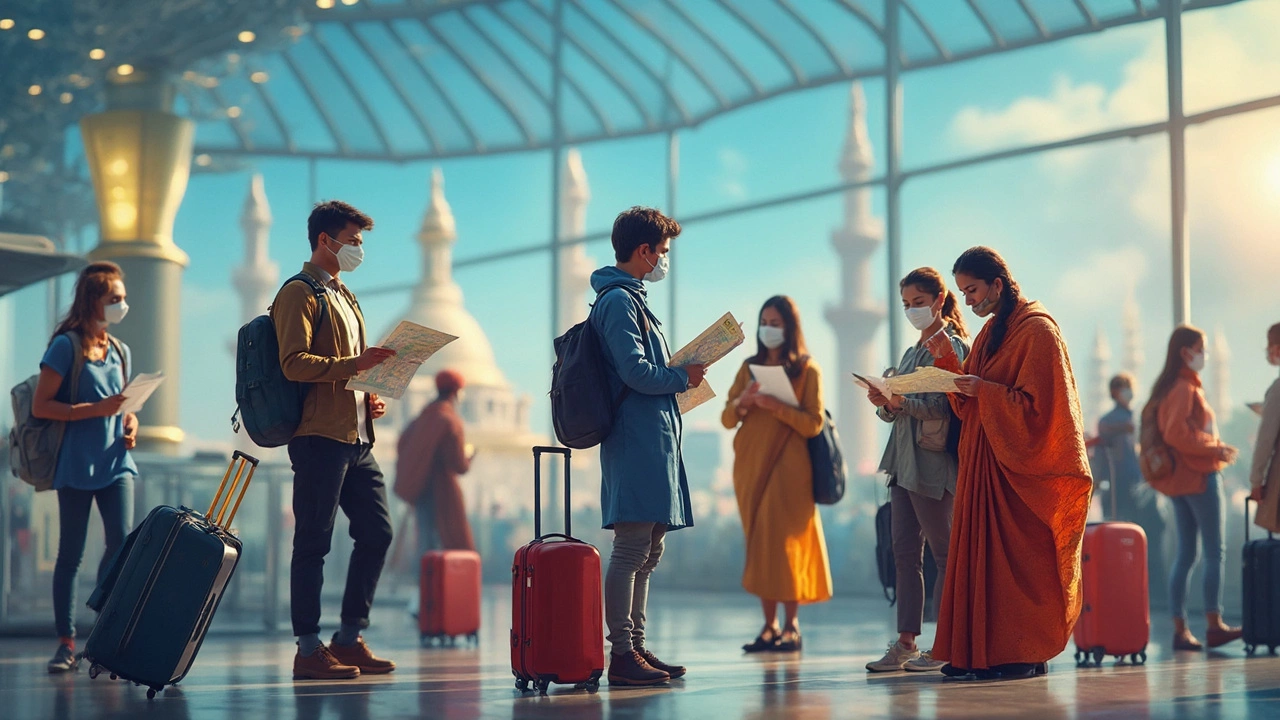
MayWhat Country Gets Sick the Most? Eye-Opening Facts for Medical Travelers
Ever wondered which country has the highest rate of sickness? This article unpacks surprising health numbers across the globe and why it matters for anyone thinking about medical tourism. Get fact-based info on what makes some countries a hotspot for illness. Find helpful tips for staying healthy while seeking treatment abroad. Perfect if you're weighing your medical travel options or just curious about global healthcare.
Recent posts
-
 20 Oct 2025
Top Mental Health Therapies: Which One Is the Best for You?
-
 2 Dec 2025
What Weight Loss Medications Are Approved by Express Scripts?
-
 24 Mar 2026
What Hurts More: Tooth Extraction vs Dental Implant Pain Explained
-
 18 Oct 2025
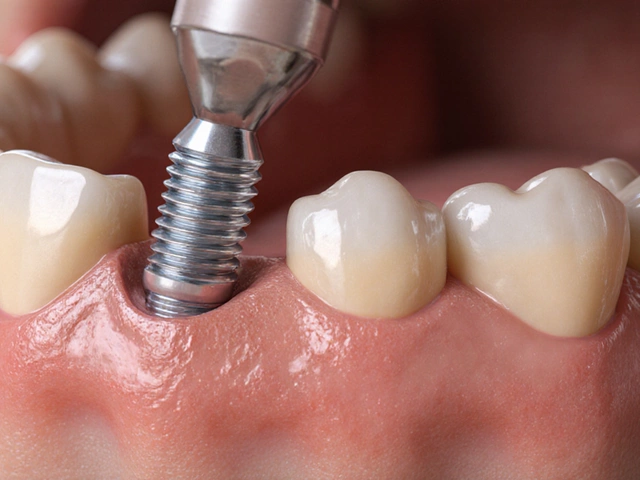
Is It Ever Too Late for Dental Implants? Timing, Risks & Alternatives
-
 12 Jul 2025
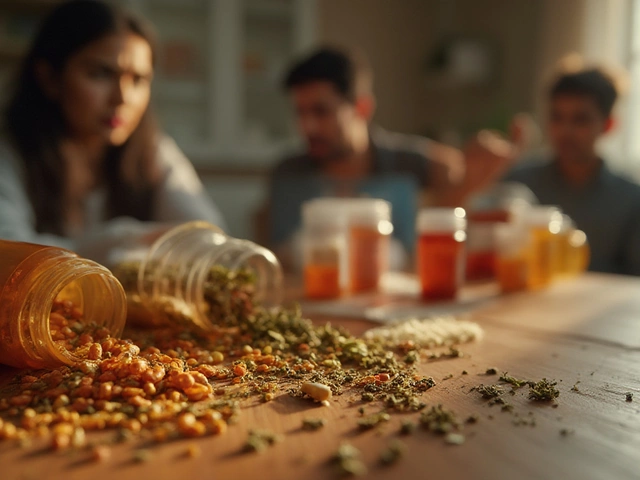
Hidden Risks: Disadvantages of Herbal Supplements Explained