Surgical Wound Care: What You Need to Know for Safe Healing
When you leave the hospital after surgery, your job isn’t over—surgical wound care, the daily process of cleaning, protecting, and monitoring an incision after an operation. It’s not just about keeping it dry—it’s about giving your body the best shot at healing without complications. A poorly managed wound can turn into an infection, delay recovery, or even send you back to the hospital. This isn’t theoretical. Studies show nearly 1 in 5 surgical patients face some kind of wound issue, and most of them are preventable with simple, consistent care.
wound healing, the natural process where skin and tissue repair themselves after injury happens in stages, and each one needs the right conditions. Too much moisture? You risk maceration. Too dry? The wound cracks and slows down. The right wound dressing, a protective covering applied to an open wound to promote healing and prevent contamination isn’t just gauze and tape—it’s chosen based on the wound type, location, and how much fluid it’s producing. For example, a dry, stable incision might only need a simple bandage, while a draining wound needs something that pulls fluid away without sticking.
infection prevention, the set of actions taken to stop bacteria from entering and spreading in a surgical wound is the biggest goal. That means washing your hands before touching the area, never picking at scabs, and watching for redness that spreads, swelling that gets worse, or pus that smells bad. Fever, chills, or sudden pain around the cut? Don’t wait. These aren’t normal. Your body is screaming for help. And post-surgery recovery, the full period of healing and return to normal function after an operation isn’t just about the wound—it’s about movement, nutrition, and rest too. Eating enough protein, staying hydrated, and avoiding smoking make a bigger difference than you think.
Most people think surgical wound care is just about changing bandages. But it’s really about paying attention—daily. Knowing what’s normal versus what’s dangerous. Knowing when to call your doctor instead of googling it at 2 a.m. The posts below give you real, no-fluff advice from people who’ve been through it, doctors who’ve seen the mistakes, and nurses who’ve cleaned up the mess. You’ll find out what dressings actually work, how to spot trouble early, why some home remedies do more harm than good, and how to get back to your life without complications. This isn’t guesswork. It’s what works.

19
OctoberWhy You Can’t Shower After Knee Replacement Surgery - Risks & Safe Alternatives
Learn why showering is restricted after knee replacement, the infection risks, safe hygiene alternatives, and a step‑by‑step shower protocol for a smooth recovery.
Recent posts
-
 17 Apr 2025
Is Therapy Once a Week Too Much? Answers That Might Surprise You
-
 18 Oct 2025
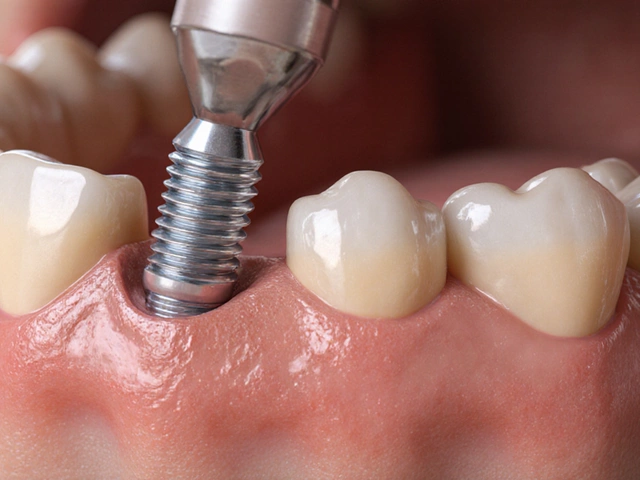
Is It Ever Too Late for Dental Implants? Timing, Risks & Alternatives
-
 27 Oct 2025
What Surgery Has the Longest Recovery Time? Top 5 Procedures and What to Expect
-
 8 Oct 2025
Can Ayurveda Regrow Hair? Evidence, Herbs, and Practical Guide
-
 11 Oct 2025
Average Rehab Stay After Knee Replacement: What to Expect