Supplement Labels: What You Need to Know Before Taking Any Pill
When you pick up a bottle of supplement labels, the printed information on dietary supplement packaging that lists ingredients, dosage, and manufacturer details. Also known as nutrition facts panels, they’re your only real guide to what you’re putting in your body. Unlike prescription drugs, supplements don’t need FDA approval before hitting shelves. That means the label is all you’ve got—and most of it is designed to look impressive, not honest.
Look closer and you’ll find supplement ingredients, the active and inactive components listed on the label, including herbs, vitamins, minerals, and fillers that aren’t always what they seem. Some brands hide caffeine under names like "green tea extract" or "yohimbe bark." Others load up on cheap fillers like magnesium stearate or titanium dioxide, which do nothing for your health but make the product cheaper to make. Then there’s the supplement safety, the potential risks and side effects linked to unregulated ingredients and improper dosing—something the label rarely warns you about. A 2020 study by the FDA found nearly 800 weight-loss supplements contained hidden prescription drugs, and most labels didn’t mention it.
And don’t be fooled by "natural" or "herbal" claims. Just because something comes from a plant doesn’t mean it’s safe. St. John’s Wort can mess with your antidepressants. Green tea extract can damage your liver. Yohimbe can spike your blood pressure. These aren’t rumors—they’re documented cases, and they’re all hiding in plain sight on supplement labels.
What you’re looking for is clarity: exact amounts of each ingredient, a reputable manufacturer, third-party testing seals (like USP or NSF), and no proprietary blends that hide the dose. If the label says "blend of herbs" without listing amounts, walk away. If it promises miracles—"lose 20 pounds in 2 weeks," "cure diabetes," "boost testosterone instantly"—it’s a scam. Real supplements don’t work like magic pills. They support. They don’t replace.
You’ll find posts here that dig into the truth behind herbal anxiety triggers, liver detox myths, and the real risks of popular weight-loss supplements. We’ll show you how to read a label like a pharmacist, spot red flags before you buy, and avoid the supplements that do more harm than good. This isn’t about fear. It’s about power. The right information turns you from a buyer into a smart user.
2
AugustHow to Choose Herbal Supplements: Safety, Quality, and Smart Shopping Guide
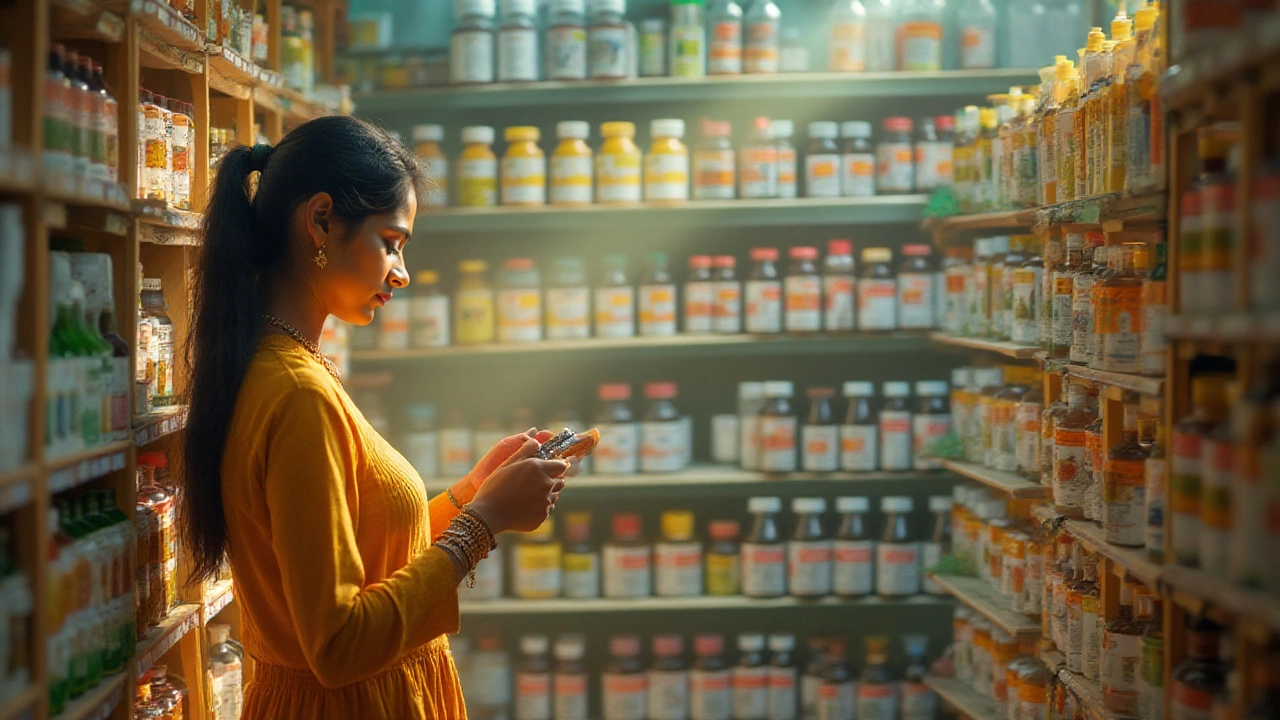
Confused by endless herbal supplement choices? Learn how to spot quality, read labels, avoid scams, and make safe choices. Get smarter about what you put in your body.
Recent posts
-
 31 Jul 2025
Metformin Side Effects: How It Impacts the Liver, Kidneys, and Your Health
-
 17 Apr 2025
Is Therapy Once a Week Too Much? Answers That Might Surprise You
-
 1 Feb 2025
Does Your Body Fully Heal After Chemotherapy? Exploring Recovery and Beyond
-
 23 Mar 2025
Exploring the Toughest Cancer Treatments: What Patients Endure
-
 17 Jul 2025
New Diabetes Drug 2024: Latest Treatment Breakthroughs for Better Blood Sugar Control