Social Health: How Relationships Impact Your Physical and Mental Wellbeing
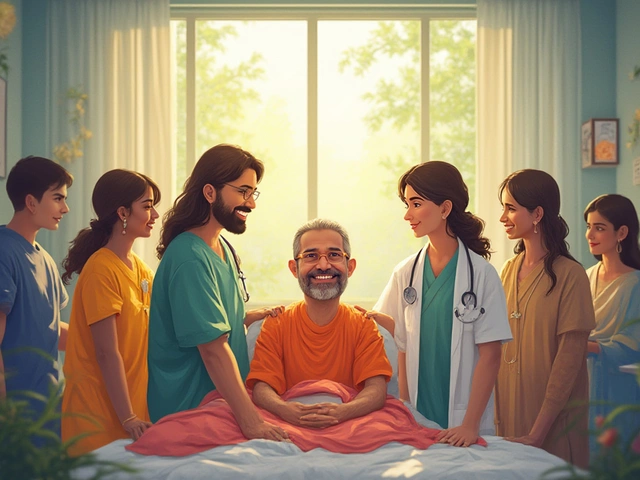
When we talk about social health, the quality of your relationships and how connected you feel to others. Also known as social wellbeing, it’s not a luxury—it’s a biological need that affects everything from your blood pressure to your recovery time after surgery. People who feel isolated are more likely to develop heart disease, struggle with diabetes, and recover slower from major procedures like open-heart surgery or knee replacements. It’s not just a feeling—it’s a measurable risk factor, backed by real studies on patient outcomes in Indian hospitals.
Mental health, your emotional and psychological state doesn’t exist in a vacuum. The same people struggling with depression, anxiety, or PTSD often report feeling cut off from family or friends. In India, where stigma still surrounds mental illness, many suffer in silence—not because they don’t want help, but because they don’t feel safe asking for it. Meanwhile, those with strong community ties—whether through family, religious groups, or local support networks—show better recovery rates after therapy, surgery, or even cancer treatment. Social health isn’t separate from mental health; it’s its foundation.
And then there’s loneliness, the feeling of being disconnected even when surrounded by people. It’s not the same as being alone. You can be lonely in a crowded Mumbai apartment or in a village with dozens of relatives nearby. Loneliness raises cortisol levels, weakens your immune system, and can make chronic pain feel worse. That’s why doctors now ask patients recovering from orthopedic surgeries or heart procedures not just about pain meds, but about who checks in on them. Who helps them shower? Who drives them to follow-ups? Who listens when they’re scared?
Community support isn’t just nice to have—it’s part of the treatment plan. In rural India, where access to specialists is limited, neighbors often become the first line of care. In cities, support groups for IVF patients or people living with diabetes help reduce isolation and improve adherence to treatment. Even something as simple as having someone to talk to after a therapy session can make the difference between progress and relapse.
You won’t find a pill for social health. But you’ll find it in the person who calls to ask how your surgery went. In the group that meets weekly to walk together after knee replacements. In the friend who sits with you when you can’t sleep because of anxiety. These aren’t just kind gestures—they’re medical interventions with real, documented results.
Below, you’ll find articles that connect the dots between your relationships and your body. From how loneliness affects recovery after heart surgery, to why therapy works better when you have someone to talk to at home, to the herbs that can worsen anxiety when you’re already feeling isolated. This isn’t about being popular. It’s about being seen, heard, and held—because your health depends on it.

19
JulyUnderstanding the Four Types of Mental Health: Breakdown, Tips, and Real Facts
Unlock the four major types of mental health. Get practical tips, real-life examples, and facts that demystify how your mind works and how to feel better.
Recent posts
-
 24 Jul 2025
Does Therapy for Mental Health Work? Real Results, How It Feels, and What to Expect
-
 10 Jul 2025
Has Anyone Survived Stage 4 Cancer? Real-Life Stories and New Hope
-
 13 Apr 2025
Do They Still Break Your Ribs for Open-Heart Surgery?
-
 2 Mar 2025
What is the Hardest Surgery in Cardiology?
-
 14 Oct 2025
Can Cancer Be 100% Cured? Facts, Success Rates & What to Expect