Pharmacy Billing: How It Works and What You Need to Know
When you pick up a prescription, pharmacy billing, the process of charging for medications and processing payments through insurance or cash. Also known as prescription billing, it’s not just about handing over a card—it’s a chain of steps between you, the pharmacist, your insurer, and the drug manufacturer. Many people assume the price on the label is final, but that’s rarely true. The actual cost depends on your insurance plan, the drug’s tier, whether it’s generic or brand-name, and even which pharmacy you use.
Pharmacy claims, the electronic requests sent to insurers to approve payment for medication. Also known as drug claims, they’re what happen behind the scenes when your pharmacist swipes your card. If the claim gets denied, you’re stuck paying full price—or worse, you get the drug and later get a bill. This isn’t rare. In India, many patients face unexpected costs because their insurance doesn’t cover certain drugs, or the pharmacy didn’t verify coverage first. Even with government schemes like Ayushman Bharat, not all medications are included, and private insurers often have strict lists of approved drugs.
Drug pricing, how much a medication costs before and after insurance discounts. Also known as retail drug cost, it’s shaped by patents, manufacturing, and even how pharmacies negotiate with distributors. A pill that costs ₹50 at one pharmacy might be ₹180 at another—not because one is ripping you off, but because they bought it from different suppliers or have different contracts with insurers. Generic drugs are usually cheaper, but even then, prices vary wildly depending on the state, the wholesaler, and whether the pharmacy is part of a chain or independent.
And then there’s insurance billing, the system that determines how much your plan pays and how much you owe. Also known as health plan reimbursement, it’s full of terms like copay, coinsurance, deductible, and formulary. You might think your insurance covers "all prescriptions," but the formulary—the list of approved drugs—can change without notice. A drug you’ve been taking for years might suddenly move to a higher tier, doubling your cost. Or your insurer might require prior authorization, meaning your doctor has to jump through hoops just to get you the medicine you need.
What’s missing from most pharmacy billing conversations? Transparency. You rarely see the full breakdown: how much the drug cost the pharmacy, how much the insurer paid, how much the manufacturer gets, and what’s left for you. That’s why so many people get shocked at the counter. A ₹2000 medicine might only cost the pharmacy ₹800, but your insurance only pays ₹1200, so you cover the rest. No one tells you that.
That’s why the posts here matter. You’ll find real examples of what goes wrong—like when a diabetes pill gets denied because it’s not on the formulary, or when a heart medication costs more than your monthly rent because of a pricing loophole. You’ll see how people in India navigate these systems, what questions to ask your pharmacist, and how to spot when you’re being overcharged. There’s no magic trick to fixing pharmacy billing, but knowing how it works gives you power. You don’t have to accept the price they give you. You can ask for alternatives, check other pharmacies, or appeal a denial. The system isn’t designed for you to win—but you can still play smart.
21
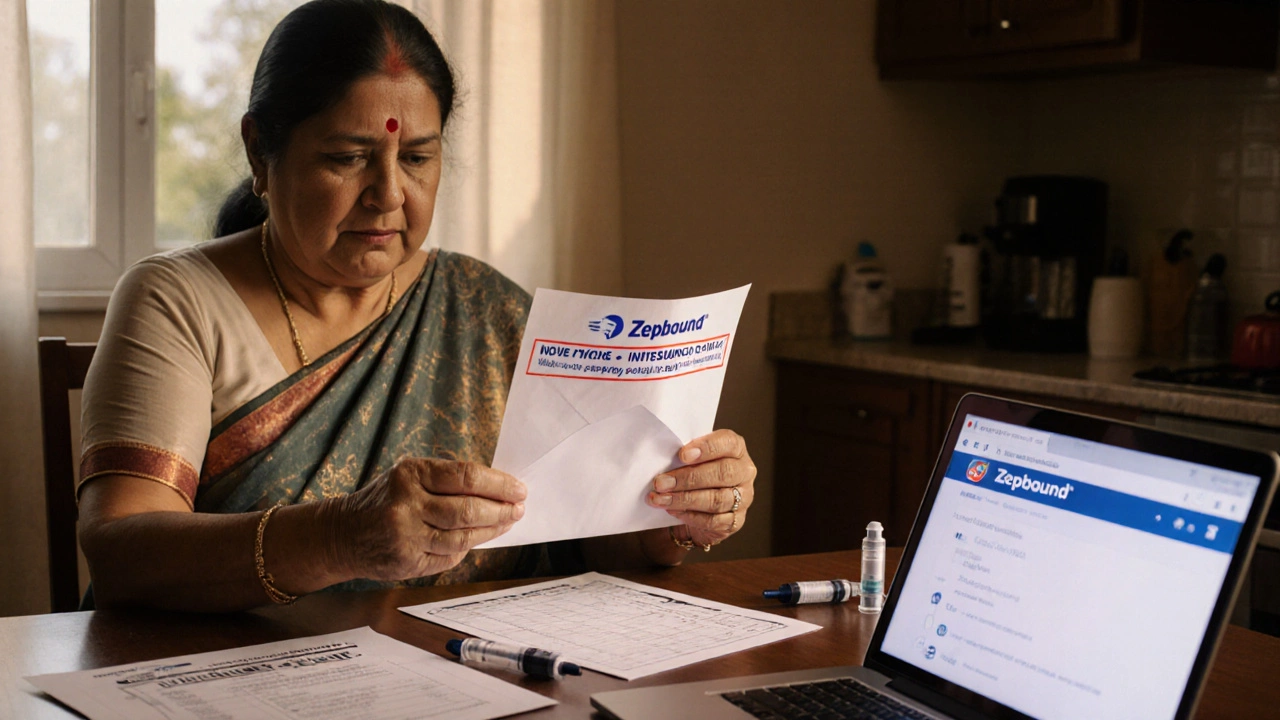
OctoberWhy Won’t Insurance Cover Zepbound? Understanding Denials and How to Get Approved
Learn why insurance often denies Zepbound, the top reasons for rejection, and step‑by‑step tactics to win approval and lower costs.
Recent posts
-
 13 Feb 2025
Do They Break Your Ribs for Open Heart Surgery?
-
 22 Oct 2025
Safest Diabetic Pill: What You Need to Know
-
 7 Jun 2025
At What Point Is Cancer Not Curable? Understanding the Limits of Cancer Treatment
-
 6 Apr 2025
Discover the 4 Essential Types of Skincare
-
 18 May 2025
4 Principles of Ayurveda: Your Guide to Natural Balance