Pancreatic Cancer Survival Rate: What You Need to Know About Prognosis and Treatment
When people talk about pancreatic cancer, a deadly form of cancer that starts in the pancreas and often spreads before it’s found. It’s one of the hardest cancers to treat because it shows no early symptoms and responds poorly to standard therapies. The pancreatic cancer survival rate is low—only about 12% of patients live five years after diagnosis. But that number isn’t the whole story. Survival depends heavily on when the cancer is caught, where it’s located, and whether it’s spread to other organs. Early-stage tumors that haven’t moved beyond the pancreas have a much better shot, with some patients living five years or longer after surgery.
That’s why early detection, finding cancer before it causes symptoms or spreads. It’s not just a buzzword—it’s the single biggest factor in survival. Most cases are diagnosed at stage III or IV, when surgery is no longer an option. But if a tumor is found early—through imaging, blood tests like CA 19-9, or because of unexplained weight loss or jaundice—the chances jump significantly. Pancreatic cancer treatment, includes surgery, chemotherapy, radiation, and newer targeted therapies. It’s not one-size-fits-all. A patient with a small, localized tumor might get a Whipple procedure and live for years. Someone with metastatic disease might focus on extending life and managing pain. Even then, new drugs and clinical trials are slowly improving outcomes. Things like genetic testing for BRCA mutations or immunotherapy trials are giving some patients more time.
What you won’t find in most survival stats is the human side: how diet, mental health, and support systems affect quality of life during treatment. Many patients struggle with digestion, fatigue, and depression. That’s why care isn’t just about killing cancer—it’s about keeping people comfortable and functional. The posts below cover real stories, medical facts, and practical advice from people who’ve faced this disease or treat it every day. You’ll find what works, what doesn’t, and how to ask the right questions when the system feels overwhelming.
8
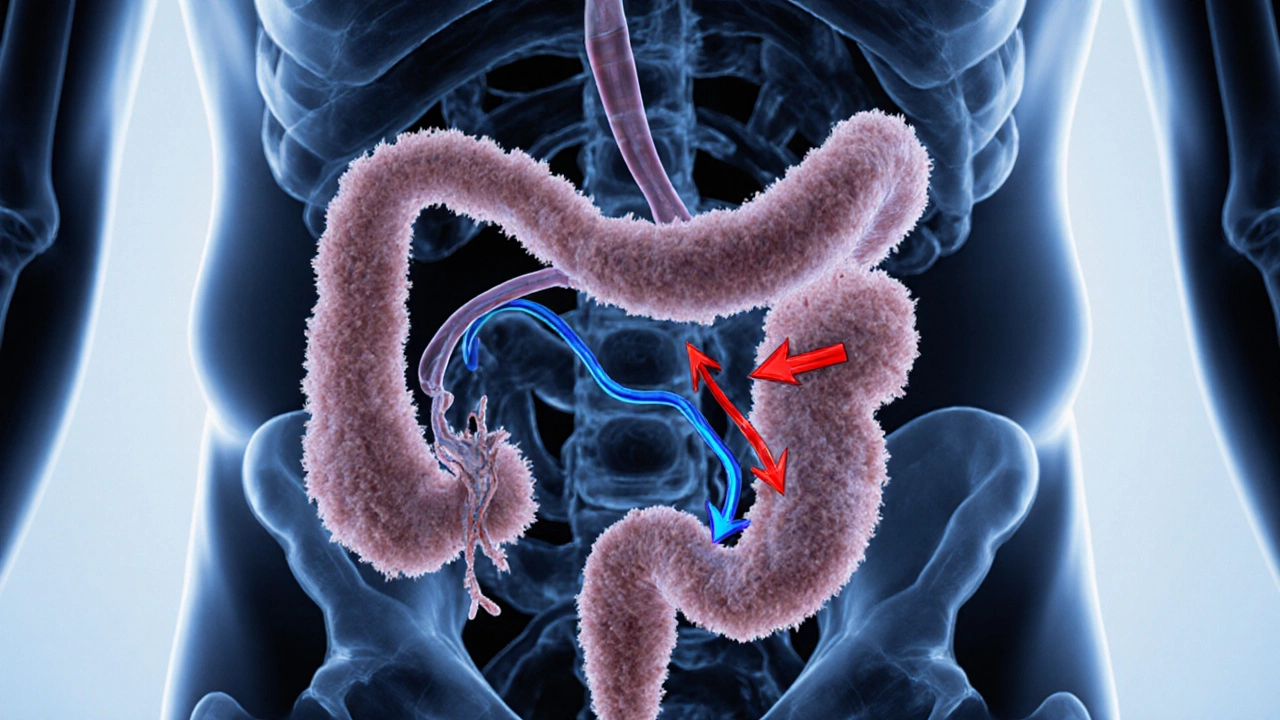
NovemberWhat Is the Hardest Cancer to Cure? Real Challenges and Current Outlook
Pancreatic cancer is the hardest cancer to cure due to late detection, resistance to treatment, and lack of early screening. Learn why survival rates are low and what new treatments are offering hope.
Recent posts
-
 2 Feb 2025
Vata Dosha: Foods and Habits to Avoid for Balance
-
 24 Feb 2026
What Is the Difference Between Orthopedic and Orthopaedic?
-
 16 Dec 2025
How Long Does It Take Herbs to Start Working in Your Body?
-
 9 Feb 2025
Top Three Liver Hazards: Unmasking Herbal Supplements
-
 10 Jul 2025
Has Anyone Survived Stage 4 Cancer? Real-Life Stories and New Hope