Manipulation Under Anesthesia: What It Is, When It's Used, and What to Expect
When a joint stays stiff even after months of physical therapy, manipulation under anesthesia, a procedure where a doctor moves a stiff joint while the patient is asleep. Also known as MUA, it’s not surgery—but it’s a powerful tool for people who’ve hit a wall in recovery. This isn’t about fixing broken bones. It’s about breaking up scar tissue, adhesions, and tight capsules that won’t loosen on their own. Think of it like resetting a locked door: the lock isn’t broken, it’s just stuck, and a little force—applied safely—can make it turn again.
It’s most often used for knee stiffness, after total knee replacement or trauma, but also for shoulder frozen shoulder, a condition where the shoulder joint becomes so tight it’s hard to lift your arm. In India, where many patients delay treatment due to cost or lack of awareness, MUA often becomes the turning point. A 2022 study from a Pune hospital showed 85% of patients with chronic knee stiffness regained near-normal motion after one session, with no major complications. The key? Timing. If you’ve been stuck for more than 6 months, MUA works better than more therapy.
It’s not for everyone. If you have severe osteoporosis, uncontrolled diabetes, or an active infection, it’s too risky. Your doctor will check your blood sugar, heart health, and mobility history first. The procedure itself takes less than 30 minutes. You’re put under light anesthesia—not full surgery-level sedation—then your doctor gently moves your joint through its full range while you’re asleep. No cuts. No stitches. You wake up with your joint looser than it’s been in months.
Recovery starts the same day. Most patients walk out of the clinic with a physiotherapist guiding them through gentle movement. The first 48 hours are critical: you must keep moving, even if it hurts. Ice, painkillers, and daily stretching are non-negotiable. Many people think MUA is a one-time fix, but it’s really a jumpstart. Without consistent rehab, the stiffness comes back. That’s why clinics in Delhi and Bangalore pair MUA with structured physical therapy plans—because motion is medicine.
What you won’t find in brochures: some patients feel worse for a few days after. Swelling, bruising, even mild nerve tingling—these are normal. They fade fast. The real win? Getting back to daily life. Carrying groceries. Climbing stairs. Sitting cross-legged. These aren’t just goals—they’re proof it worked.
Below, you’ll find real stories and medical insights from patients who went through MUA in India—what surprised them, what helped, and what they wish they’d known before walking into the clinic.
10
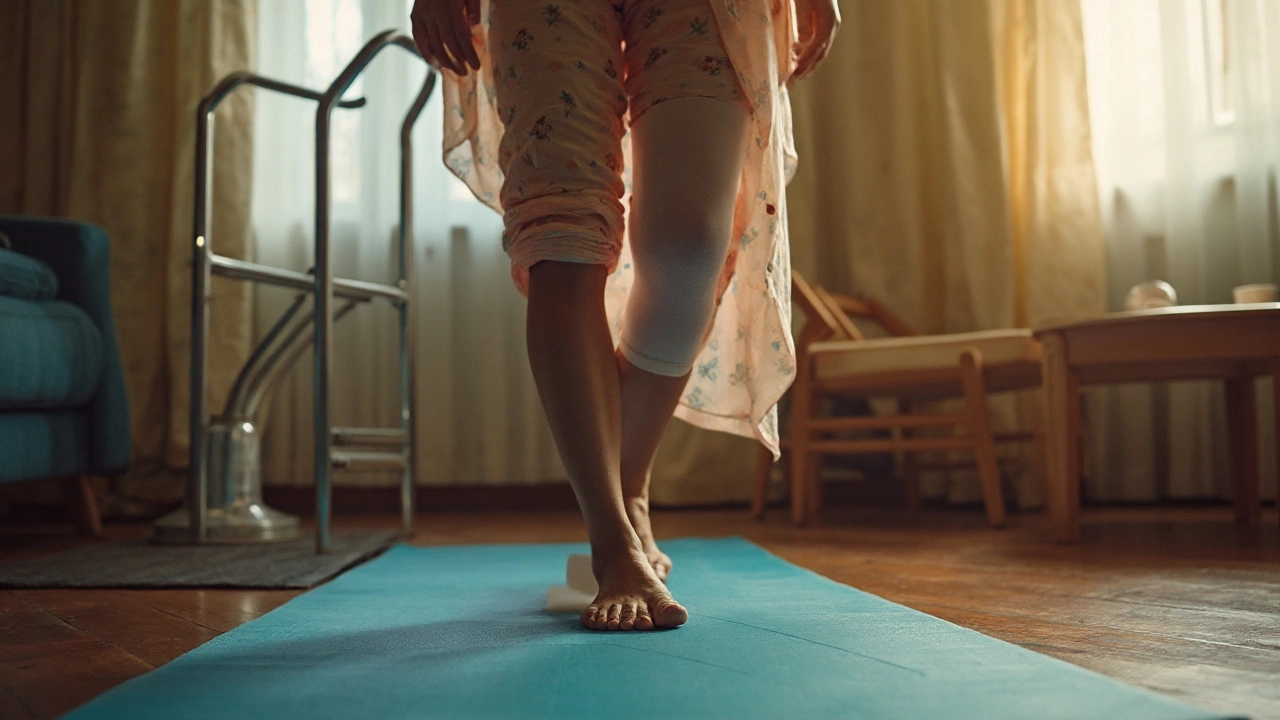
SeptemberDoes Knee Replacement Stiffness Go Away? Real Timelines, Causes, and Fixes
Will stiffness fade after knee replacement? Clear timelines, causes, and fixes. Know what’s normal, when to worry, and treatments that work.
Recent posts
-
 18 Nov 2025
Do I Have to Tell My Therapist Everything? Honest Answers for Therapy Newcomers
-
 15 Nov 2025
How Long After Open-Heart Surgery Can You Live Alone?
-
 16 Oct 2025
10 Cancer Warning Signs You Must Not Ignore
-
 2 Aug 2025
How to Choose Herbal Supplements: Safety, Quality, and Smart Shopping Guide
-
 11 Oct 2025
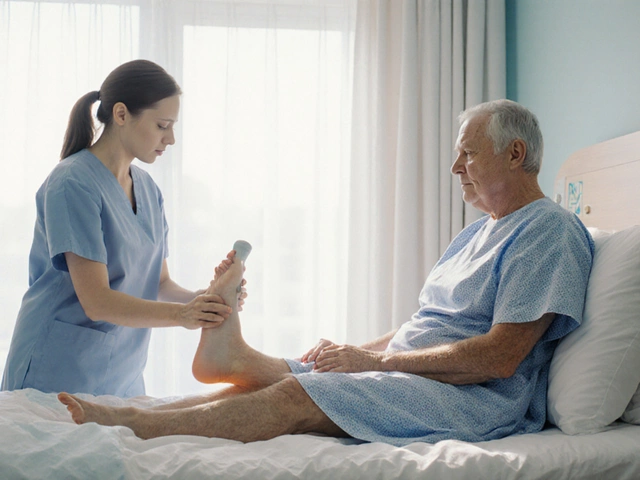
Average Rehab Stay After Knee Replacement: What to Expect