Kissing and Health: What Medical Experts Say About Intimacy, Recovery, and Risks
When you think of kissing, a physical act of intimacy that involves lip contact and often emotional connection. Also known as smooching, it’s more than romance—it’s a biological interaction that can influence health, healing, and even medical recovery. Many people don’t realize how deeply kissing connects to medical advice, especially after procedures like heart surgery, orthopedic repairs, or even dental work. It’s not just about passion—it’s about timing, safety, and your body’s limits.
After heart surgery, a major procedure to repair or replace damaged heart tissue or vessels, doctors don’t just ask if you can walk or climb stairs—they ask if you’re ready for intimacy. Kissing is often one of the first physical activities patients wonder about. Is it safe? Can it raise your heart rate too much? The answer isn’t yes or no—it depends on your healing stage. Most patients can kiss gently after 4 to 6 weeks, but only if they’ve cleared light activity like walking without dizziness or chest pain. Kissing too soon can strain the sternum, increase blood pressure, or even trigger irregular heart rhythms. And it’s not just heart surgery—after orthopedic surgery, a procedure to fix bones, joints, or soft tissues like tendons and ligaments, especially jaw or facial surgeries, kissing can delay healing, cause pain, or even reopen stitches.
Then there’s oral health, the condition of your mouth, teeth, and gums, which affects your overall well-being. Kissing transfers bacteria—sometimes good, sometimes bad. The same bacteria that cause cavities can be passed from one person to another. If you or your partner has gum disease, untreated cavities, or an active cold sore, kissing can spread infection. It’s not just about hygiene—it’s about risk. People with weakened immune systems, recent transplants, or active chemotherapy need to be extra careful. Even something as simple as a lip kiss can carry more weight than you think.
And let’s not forget mental health. Kissing releases oxytocin and dopamine—natural chemicals that reduce stress and boost mood. For someone recovering from depression or anxiety, a gentle kiss can be part of emotional healing. But if you’re dealing with trauma, PTSD, or social anxiety, the pressure to be intimate can backfire. Therapy doesn’t just talk about big traumas—it also helps people rebuild comfort in small, everyday connections like kissing.
So when is kissing safe? When you’re not in pain. When your doctor says you’re cleared for activity. When you’re not contagious. When both people feel ready—not pressured. It’s not about rules, it’s about awareness. The posts below cover real cases: what happens after heart surgery, how kissing affects recovery timelines, why some medications make intimacy risky, and what doctors actually say when patients whisper these questions in private. You’ll find no fluff, no myths—just clear, practical answers from people who’ve seen it all.

24
JanuaryChemotherapy and Kissing: Understanding the Risks and Precautions
Chemotherapy, while crucial in battling cancer, brings about several precautions that must be observed, including limiting physical intimacy like kissing. During treatment, a patient's body goes through numerous changes, and their immune system becomes compromised, leading to increased vulnerability to infections. Additionally, some chemotherapy drugs are expelled through bodily fluids, posing risks to partners. Understanding these factors helps patients and their loved ones navigate this trying time with empathy and informed decisions.
Recent posts
-
 15 Oct 2025
Fast Ways to Drop Weight Quickly: Proven Strategies from Weight‑Loss Clinics
-
 26 Jan 2025
Exploring Natural Alternatives to Metformin for Diabetes Management
-
 28 Nov 2025
Which Type of Diabetes Is Hardest to Control?
-
 12 Oct 2025
How to Identify the Most Reliable Pharmacy in India
-
 11 Oct 2025
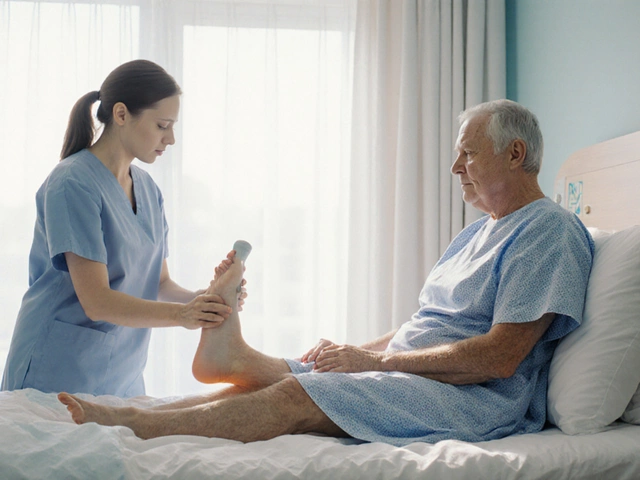
Average Rehab Stay After Knee Replacement: What to Expect