Implant Timing: When to Get Medical Implants for Best Results
When it comes to implant timing, the period between diagnosis, preparation, and surgical placement of a medical device. Also known as surgical implant scheduling, it’s not just about when you can get the procedure—it’s about when your body is truly ready to heal. Getting an implant too soon can lead to infection, rejection, or failed integration. Waiting too long might mean unnecessary pain, mobility loss, or worsening health. The right timing isn’t a calendar date—it’s a mix of your physical condition, healing progress, and medical advice.
Medical implant, a device placed inside the body to restore function or support health. Also known as surgical implant, it includes joint replacements, dental implants, pacemakers, and even spinal rods. Each type has its own clock. For example, after a heart attack, doctors often wait 6 to 12 weeks before placing a pacemaker to let the heart stabilize. For knee replacements, most patients wait until swelling goes down and muscle strength returns—usually 3 to 6 months after injury or flare-up. Dental implants need healthy bone and gums; if you’ve had a tooth pulled, waiting 3 to 6 months gives the socket time to heal properly. Rushing any of these steps increases failure risk.
Implant recovery, the process your body goes through after a device is placed to integrate it safely and fully. This isn’t just about resting—it’s about rebuilding strength, managing inflammation, and avoiding stress on the implant site. People who jump back into heavy lifting or high-impact exercise too soon after a hip implant often end up with dislocation or loosening. Recovery timelines vary: a dental implant might take 3 months to fuse with bone, while a spinal fusion can take over a year. Your doctor doesn’t just look at the surgery—they watch your blood work, mobility, pain levels, and even your mental readiness.
Many patients ask, "Can I get this done now?" But the real question is, "Will I be better off six months from now?" Studies show that patients who follow recommended implant timing have up to 40% higher success rates than those who rush. It’s not about waiting for perfection—it’s about waiting for stability. If you’re still on strong painkillers, still recovering from another surgery, or still losing weight after obesity-related health issues, your body isn’t ready. And that’s okay. The best outcomes come from patience, not pressure.
What you’ll find in the posts below are real stories and medical facts about implant timing across different parts of the body—from joint replacements to cardiac devices. You’ll see how recovery timelines differ, what doctors look for before giving the green light, and what happens when timing goes wrong. No fluff. No guesswork. Just clear, practical info from people who’ve been there—and the experts who guide them.
18
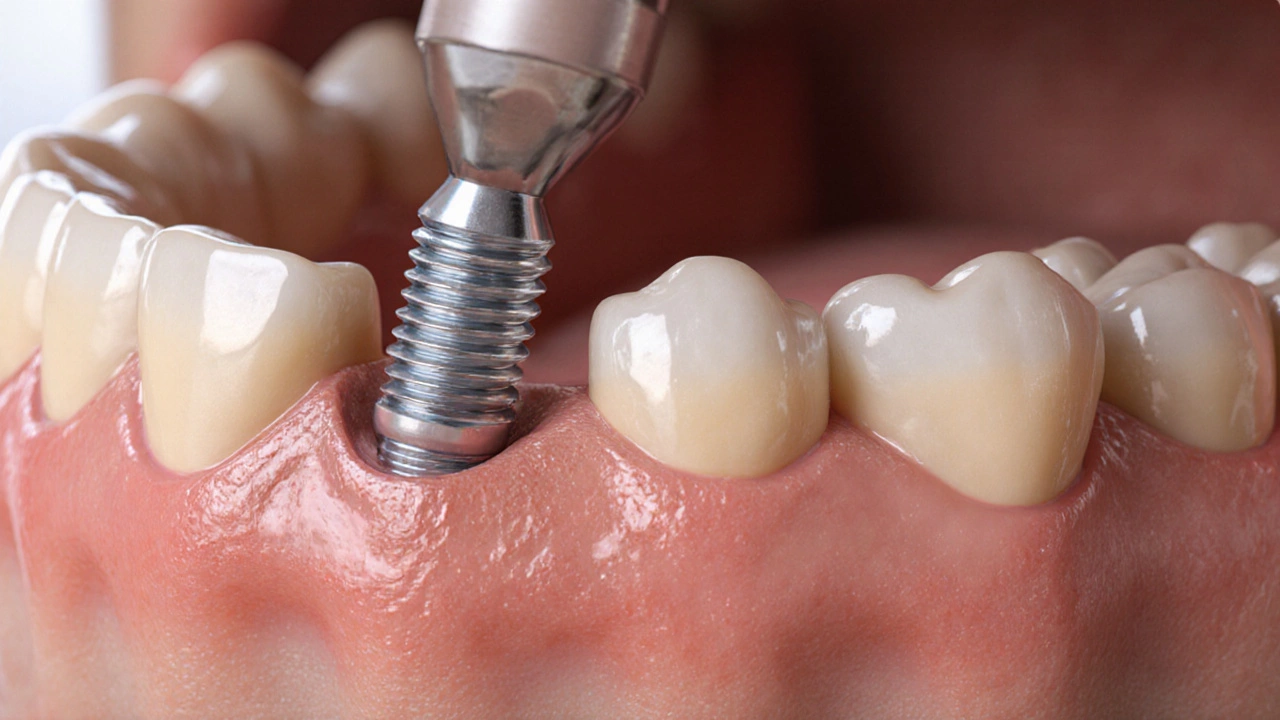
OctoberIs It Ever Too Late for Dental Implants? Timing, Risks & Alternatives
Discover when dental implants become unfeasible, how bone loss, age, and health affect eligibility, and explore alternatives like grafts, bridges, and All‑on‑4.
Recent posts
-
 18 Nov 2025
Do I Have to Tell My Therapist Everything? Honest Answers for Therapy Newcomers
-
 26 Jun 2025
Warning Signs and Bad Symptoms After Heart Surgery: What to Watch
-
 15 Feb 2025
Can I Get a Prescription for Wegovy Online?
-
 7 Mar 2025
Unveiling the Most Diagnosed Mental Disorder of Our Time
-
 22 Oct 2025
Safest Diabetic Pill: What You Need to Know