Herbs That Cause Anxiety: Natural Remedies That Can Backfire
When people look for natural ways to manage stress, they often turn to herbs, plant-based substances used in traditional medicine to support physical and mental health. Also known as medicinal plants, these are widely sold as teas, capsules, or tinctures with claims of calming the mind. But not all herbs help—some can actually make anxiety, a state of excessive worry, nervousness, or fear that interferes with daily life worse. This isn’t common knowledge, and many don’t realize their daily green tea or ashwagandha pill might be fueling their panic attacks.
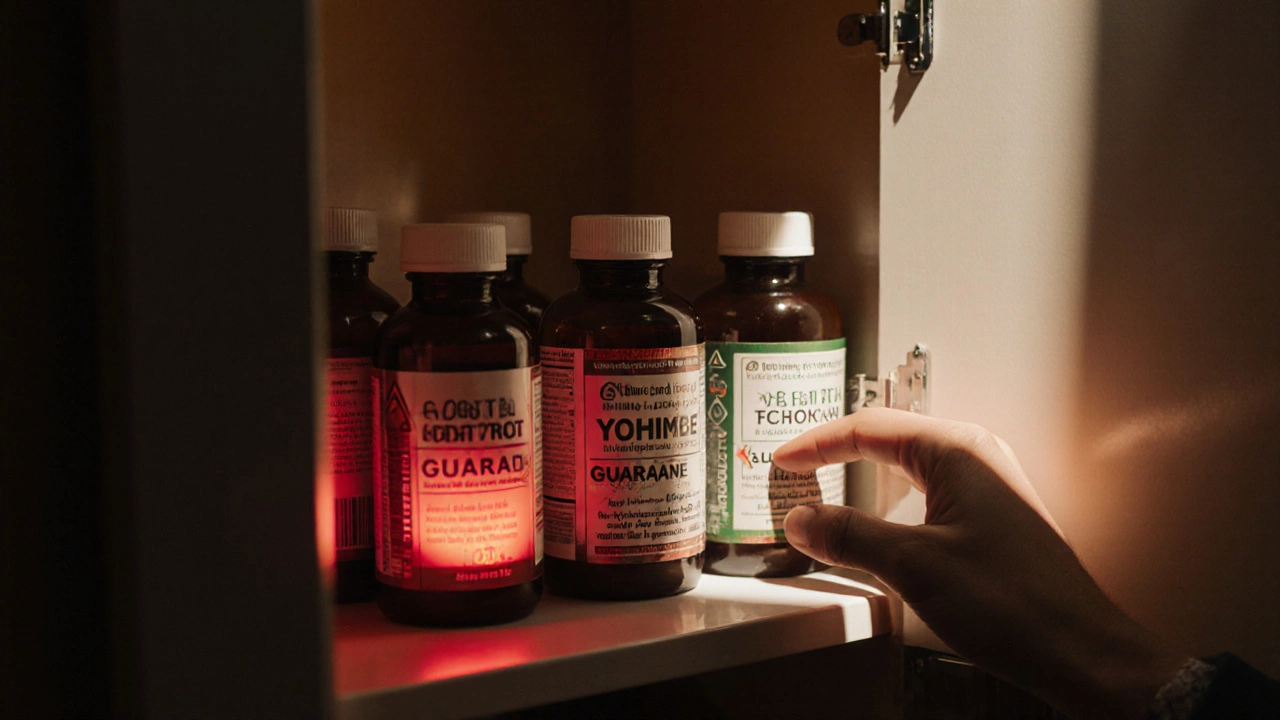
Take stimulant herbs, plants with compounds that activate the nervous system, often used for energy or focus. Kava, for example, is praised for reducing stress—but studies show it can trigger liver damage and, in some people, increase heart rate and jitteriness. Ephedra (now banned in many places) was once popular for weight loss but caused panic attacks in users. Even green tea, packed with L-theanine, contains enough caffeine to spike anxiety in sensitive individuals. Then there’s guarana, yerba mate, and bitter orange—all loaded with natural stimulants that mimic the effects of amphetamines. These aren’t just "natural" alternatives to coffee; they’re potent nervous system activators that can tip someone from calm to overwhelmed.
It’s not just about stimulants. Some herbs interfere with brain chemistry in ways you wouldn’t expect. St. John’s Wort, often used for mild depression, can reduce serotonin levels over time and interact dangerously with antidepressants. Licorice root raises cortisol, the stress hormone, which can worsen anxiety symptoms if taken long-term. And while ashwagandha helps many, a small but significant group reports increased heart palpitations, restlessness, or insomnia after using it. These aren’t side effects you’ll find on every label. They’re hidden risks buried under the word "natural."
If you’re struggling with anxiety and using herbal supplements, it’s worth asking: Is this helping—or hiding in plain sight? The truth is, what works for one person can backfire for another. Your body’s chemistry, medications, sleep habits, and even gut health all play a role. That’s why the best approach isn’t just avoiding bad herbs—it’s understanding how your body reacts to them. Below, you’ll find real cases and research-backed insights into which herbs are most likely to trigger anxiety, what safer alternatives exist, and how to spot the warning signs before it’s too late.
20
NovemberWhat Herbs Can Cause Anxiety? Top 7 Herbal Supplements Linked to Increased Anxiety
Certain herbal supplements like St. John’s Wort, yohimbe, and green tea extract can trigger or worsen anxiety. Learn which herbs to avoid and what to take instead for safer natural support.
Recent posts
-
 20 Oct 2025
Top Mental Health Therapies: Which One Is the Best for You?
-
 12 Jan 2025
Understanding Unusual Post-Heart Surgery Behaviors
-
 24 Apr 2025
Do I Need Counseling or Therapy? Signs, Myths, and What to Expect
-
 15 Feb 2025
Can I Get a Prescription for Wegovy Online?
-
 9 Jan 2026
Can IVF Babies Conceive Naturally? The Real Facts