Elderly Care in India: What You Need to Know About Health, Support, and Daily Living
When we talk about elderly care, the physical, emotional, and medical support needed by older adults, especially in a country like India where family structures are shifting. Also known as geriatric care, it’s not just about medicine—it’s about daily safety, mental health, and keeping people independent as long as possible. In India, more than 100 million people are over 60, and that number is growing fast. Yet most families still try to manage care at home without clear guidance on what’s safe, what’s needed, or when to call for professional help.
Good elderly care, the physical, emotional, and medical support needed by older adults, especially in a country like India where family structures are shifting. Also known as geriatric care, it’s not just about medicine—it’s about daily safety, mental health, and keeping people independent as long as possible. means watching for signs you might miss: a drop in appetite, confusion that isn’t just "getting old," trouble walking, or sudden silence. These aren’t normal aging—they’re red flags. Many older Indians live with undiagnosed diabetes, arthritis, or early dementia because no one connects the dots. A full body blood test can catch hidden issues before they become emergencies. And while herbal supplements like St. John’s Wort might seem harmless, they can mess with heart meds or cause anxiety in seniors. What works for a 30-year-old won’t always work for a 70-year-old.
home care for elderly, support provided in the senior’s own residence, including assistance with daily tasks, medication management, and monitoring health changes is the most common model in India, but it’s often done without training. Can your parent safely shower after knee surgery? Should they be alone after open-heart surgery? Is it okay to skip doctor visits because "they’re fine"? These aren’t theoretical questions—they’re daily realities. And when mobility drops, so does mental health. Depression in seniors is common but rarely treated. The same stigma that hides mental illness in younger people also silences older adults. Conditions like severe depression or dementia don’t just affect the person—they change how families live, work, and sleep.
There’s no one-size-fits-all plan. What works in Delhi might not work in a village in Odisha. But the basics do: regular checkups, safe living spaces, clear communication with doctors, and knowing when to say "I need help." You don’t need to be a nurse to care for an aging parent—you just need to know what to look for. The posts below cover real cases: what blood tests matter most for seniors, how recovery after major surgery really works, which supplements are risky, and how to spot the early signs of trouble. No fluff. Just what you need to keep your loved ones safe, healthy, and respected as they age.
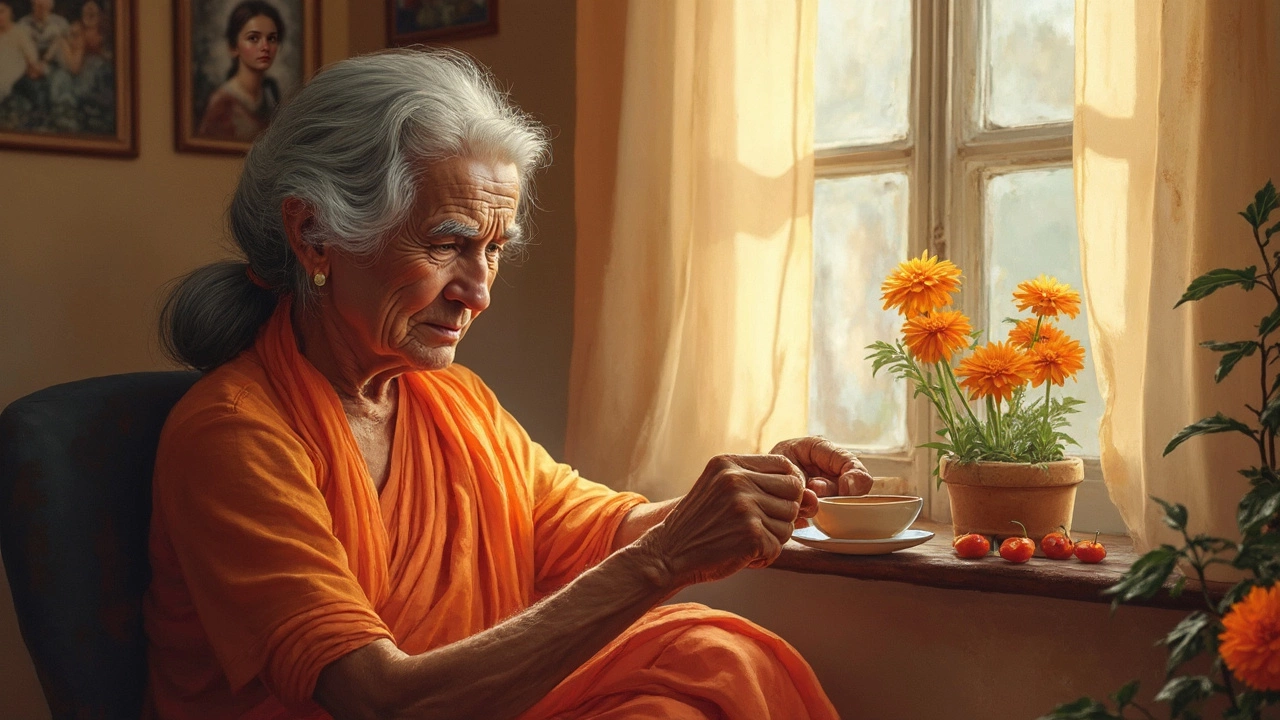
29
MayHow Long Does It Take for 70 Year Old Bones to Heal? Real Recovery Timelines
Broken bones take longer to heal when you’re 70, but recovery isn’t hopeless. This article unpacks what happens inside aging bones, why healing slows down, and how much time real patients can expect to spend mending. We dig into proven ways to speed things up and avoid the common setbacks that can drag out healing. If you or someone you love is dealing with a break, you’ll find practical tips and straight talk about the path to getting back on your feet.
Recent posts
-
 10 Apr 2025
Do You Eat Meat in Ayurveda?
-
 14 Oct 2025
Can Cancer Be 100% Cured? Facts, Success Rates & What to Expect
-
 23 Dec 2025
Are You Put to Sleep for Dental Implants? What Really Happens During the Procedure
-
 8 Oct 2025
Can Ayurveda Regrow Hair? Evidence, Herbs, and Practical Guide
-
 10 Sep 2025
Does Knee Replacement Stiffness Go Away? Real Timelines, Causes, and Fixes