Diet in India: What Works, What Doesn’t, and What You Need to Know
When we talk about diet, the pattern of eating and drinking habits that affect your health over time. Also known as nutrition habits, it’s not just about losing weight—it’s about how what you eat impacts your liver, blood sugar, mental health, and even your recovery after surgery. In India, where meals are tied to culture, tradition, and family, diet isn’t a trend. It’s daily life. But not all traditional foods support modern health needs. Many people think eating ghee, jaggery, or herbal teas is automatically healthy. But science shows otherwise—especially when it comes to sugar, processed fats, and unregulated supplements.
Your liver, the organ that filters toxins, processes nutrients, and regulates blood sugar. Also known as hepatic system, it doesn’t need a ‘detox’—it needs rest from sugar, alcohol, and fake health products like apple cider vinegar claims. Studies show that cutting back on sweetened drinks and fried snacks does more for liver health than any herbal cleanse. And if you’re managing diabetes, your diet, the pattern of eating and drinking habits that affect your health over time. Also known as nutrition habits, it’s not just about losing weight—it’s about how what you eat impacts your liver, blood sugar, mental health, and even your recovery after surgery. directly affects which pills are safest for you. Metformin works better when paired with a low-glycemic diet. Ozempic and Zepbound help with weight loss, but they’re not magic. They work best when your daily meals are balanced—not when you’re eating biryani every night.
And it’s not just physical. Certain herbal supplements, natural products taken to improve health, often marketed as safe alternatives to medicine. Also known as Ayurvedic remedies, it’s not just about losing weight—it’s about how what you eat impacts your liver, blood sugar, mental health, and even your recovery after surgery. like green tea extract or St. John’s Wort can trigger anxiety, especially if you’re already stressed or on other meds. Ayurveda’s 80/20 rule isn’t about perfection—it’s about balance. Eat well most days, but allow room for festivals, family meals, and life. That’s sustainable. That’s real.
What you eat affects your recovery after heart surgery, your joint pain, your chances of catching cancer early, and even how you feel mentally. A full body blood test can show if your diet is quietly harming your kidneys, thyroid, or cholesterol levels—long before you feel sick. You don’t need a fancy diet plan. You need to know what’s actually working behind the scenes. Below, you’ll find real, no-fluff articles that cut through the noise. From what to avoid after knee replacement to why ACV won’t fix your liver, these are the facts you can use today—not tomorrow.
27
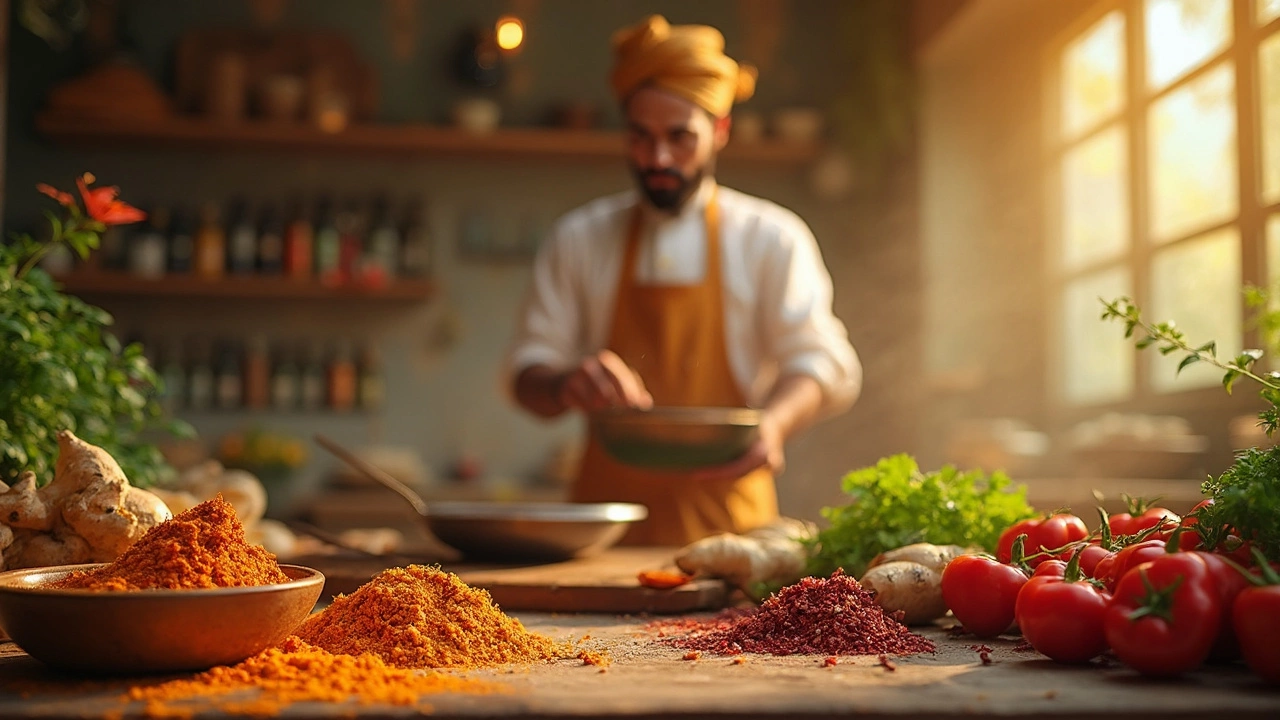
FebruaryInflammatory Foods in Ayurveda: What's on the List?
In Ayurvedic medicine, inflammation is a key concept linked to imbalance in one's doshas, impacting overall health. Certain foods are known to be inflammatory and should be consumed with caution or avoided altogether, depending on your dosha type. This article explores which foods are considered inflammatory according to Ayurveda and offers practical tips on managing your diet to maintain balance. With insights into commonly found ingredients, Ayurvedic thoughts provide a unique spin on modern dietary advice.
Recent posts
-
 25 May 2025
King of All Herbs: Is Ashwagandha the Ayurvedic Champion?
-
 27 Jul 2025
Understanding Bone Surgery: Names, Types, and What to Expect
-
 27 Feb 2025
Inflammatory Foods in Ayurveda: What's on the List?
-
 10 Feb 2026
How to Get Flawless Skin: Simple, Science-Backed Steps That Actually Work
-
 27 Mar 2025
The Safest Heart Surgery: What You Need to Know