Cancer Detection: Early Signs, Tests, and What Actually Works
When it comes to cancer detection, the process of identifying cancer before symptoms become severe, often through screening or diagnostic tests. Also known as early cancer diagnosis, it’s not about fear—it’s about catching problems when they’re still treatable. Many people think cancer detection means waiting for pain or weight loss, but that’s too late. The best outcomes happen when tumors are found before they spread—often through simple, routine tests that most doctors recommend but few patients ask for.
Cancer screening, a set of medical tests used to find cancer in people without symptoms isn’t one-size-fits-all. For breast cancer, it’s mammograms. For colon cancer, it’s colonoscopies or stool tests. For cervical cancer, it’s Pap smears. But what about pancreatic or ovarian cancer? Those are harder. They don’t have reliable routine tests, which is why they’re often found too late. That’s why blood tests for cancer, lab tests that look for tumor markers, abnormal cells, or genetic changes in the blood are gaining attention—even if they’re not perfect yet. Some can hint at trouble, like elevated CA-125 for ovarian cancer or PSA for prostate cancer, but they’re not foolproof. False alarms happen. So do missed signals. That’s why doctors combine them with imaging, physical exams, and family history.
What you can do right now? Know your body. If something feels off—unexplained weight loss, a lump that won’t go away, persistent fatigue, changes in bowel habits, or unusual bleeding—don’t wait. Don’t assume it’s stress or aging. Tumor detection, the act of identifying abnormal growths through imaging or biopsy starts with you speaking up. And if your doctor dismisses you, get a second opinion. Too many people lose precious time because they were told it’s "probably nothing."
There’s no magic test that catches every cancer early. But the ones we have—mammograms, colonoscopies, Pap smears, low-dose CT scans for smokers—have saved millions. And new tools are coming. Liquid biopsies, AI-assisted imaging, and multi-cancer early detection blood tests are being tested in real clinics. They’re not mainstream yet, but they’re real. What’s not real? The idea that you don’t need screening if you feel fine. Cancer doesn’t always shout. Sometimes it whispers. And if you’re not listening, it gets louder.
Below, you’ll find real, no-fluff guides on what full body blood tests can reveal, why some cancers are harder to catch than others, and whether supplements or home remedies actually help—or hurt. No hype. Just what works, what doesn’t, and what you should ask your doctor next time you walk in.
16
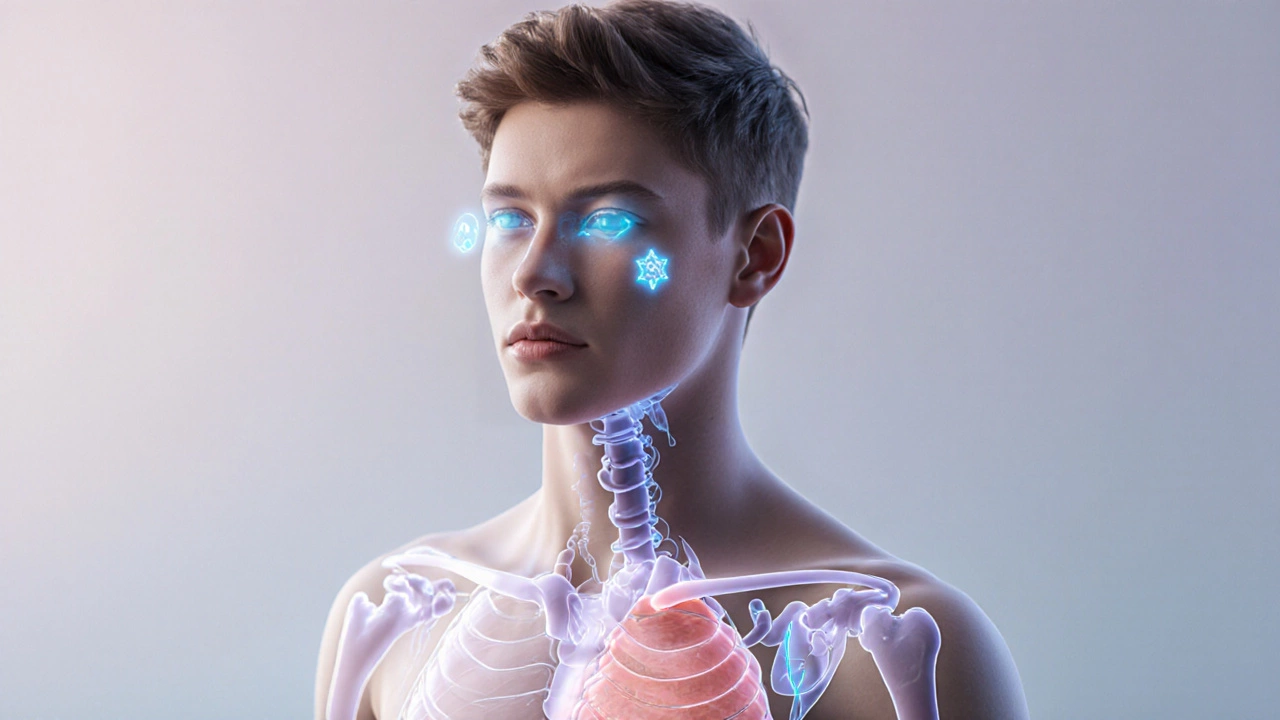
October10 Cancer Warning Signs You Must Not Ignore
Learn the 10 early cancer warning signs you shouldn't ignore, why they matter, and how to act fast for better outcomes.
Recent posts
-
 15 Mar 2025
Can an American See a Doctor in Canada? Exploring Cross-Border Healthcare
-
 30 Oct 2025
How Long Do Orthopedic Surgeries Take? Real-Time Estimates for Common Procedures
-
 29 Jun 2025
Best Alternatives to Metformin for Type 2 Diabetes Management
-
 20 Nov 2025
How Soon Can You Do IVF After Having a Baby?
-
 13 Jul 2025
Stage 5 Cancer: Myth or Reality? Understanding Cancer Staging Explained