Brittle Diabetes: What It Is, How It’s Managed, and What You Need to Know
When someone has brittle diabetes, a rare and unstable form of type 1 diabetes marked by wild, unpredictable blood sugar swings. Also known as labile diabetes, it’s not just about high or low readings—it’s about rapid, unexplained shifts that happen even when insulin doses and diet seem perfect. This isn’t the kind of diabetes you can manage with a simple app reminder or a fixed meal plan. People with brittle diabetes often go from dangerously low to critically high glucose levels within hours, sometimes without any clear trigger.
What makes this different from regular type 1 diabetes? Most people with type 1 need insulin, yes—but their levels stay relatively steady with consistent routines. Brittle diabetes throws that out the window. It’s tied to factors like extreme insulin sensitivity, how quickly the body absorbs and reacts to insulin, which can vary dramatically day to day, delayed stomach emptying (gastroparesis), stress, hormonal changes, or even undiagnosed gut issues. Some people with brittle diabetes have no other health problems, yet their bodies refuse to stabilize. It’s not laziness, poor discipline, or bad choices—it’s a biological storm.
Managing brittle diabetes often means more than just injections or pumps. Many use continuous glucose monitors (CGMs) with alarms set for every 15 minutes. Some rely on insulin infusions through pumps programmed to adjust doses automatically. Others need hospital stays for intensive monitoring when things spiral. Diet plays a role, but not in the way you’d think—small, frequent meals help, but even then, spikes and crashes can come out of nowhere. Mental health is part of the treatment too. The constant fear of a crash, the sleepless nights, the missed work or events—it takes a toll. Depression and anxiety aren’t side effects; they’re part of the condition.
You won’t find brittle diabetes in every doctor’s office. It’s rare—estimated to affect less than 1% of people with type 1 diabetes. But for those who live with it, every day is a high-stakes balancing act. The posts below cover real stories, practical tools, and medical insights that connect to this struggle: from how blood sugar fluctuations show up on lab reports, to why some diabetes pills don’t help at all, to what tests actually reveal about insulin response. You’ll also find advice on avoiding triggers, understanding lab results, and recognizing when a routine checkup isn’t enough. This isn’t theoretical. These are the tools and truths people with brittle diabetes use just to get through the day.

28
NovemberWhich Type of Diabetes Is Hardest to Control?
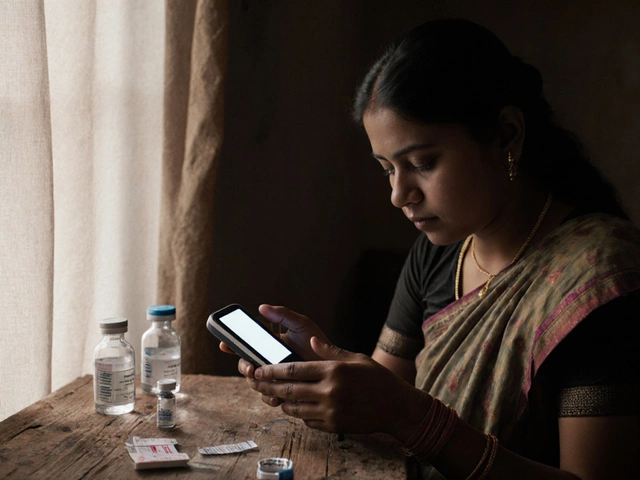
Brittle Type 1 diabetes is often the hardest to control due to wild blood sugar swings, but Type 2 can be just as tough without proper support. Learn why insulin dependence, access, and lifestyle all play a role.
Recent posts
-
 2 Jun 2025
Holistic vs Homeopathic: What’s the Real Difference?
-
 28 Nov 2025
Which Type of Diabetes Is Hardest to Control?
-
 21 Nov 2025
Can Apple Cider Vinegar Clean Out Your Liver? The Science Behind the Claim
-
 14 Jun 2025
Orthopedic Referrals: Why and When You Need One
-
 8 Nov 2025
What Is the Hardest Cancer to Cure? Real Challenges and Current Outlook