Balance in Health: How Stability Affects Your Body, Mind, and Recovery
When we talk about balance, a state of physical, mental, and emotional stability that supports long-term well-being. Also known as homeostasis, it's not about perfection—it's about consistency. Your body runs best when systems are in rhythm: blood sugar steady, sleep regular, stress managed, and movement balanced. Skip this, and even the healthiest habits fall apart.
Balance shows up everywhere in health. In Ayurveda, an ancient Indian system of medicine focused on individualized wellness through dosha harmony. Also known as Vata-Pitta-Kapha balance, it teaches that 80% of health comes from routine, not extremes—exactly why the 80/20 rule works better than rigid diets. The same idea applies to mental health: therapy, a tool for restoring emotional equilibrium when stress, trauma, or illness disrupts inner stability. Also known as mental restoration, it doesn’t demand full disclosure—just enough honesty to rebuild your inner rhythm. And when you’re recovering from surgery, balance isn’t optional. After open-heart surgery or knee replacement, going home too soon risks setbacks. Waiting 4 to 8 weeks isn’t arbitrary—it’s your body’s way of saying it needs time to re-stabilize.
Even what you eat ties into balance. Apple cider vinegar won’t "detox" your liver—because your liver doesn’t need detoxing. What it needs is less sugar, less alcohol, and more rest. Similarly, herbs like St. John’s Wort or green tea extract can throw off your mental balance and trigger anxiety, not fix it. And when you’re on diabetes meds or weight-loss drugs like Ozempic or Zepbound, the goal isn’t just to lose weight—it’s to find a sustainable rhythm where your body doesn’t fight you.
Balance isn’t a goal you reach. It’s a daily practice. It’s knowing when to push and when to rest. When to test your blood and when to trust your body. When to talk to your therapist and when to sit quietly. The posts below show you how balance shows up in real life—through blood reports, recovery timelines, mental health strategies, and Ayurvedic wisdom. You won’t find quick fixes here. Just clear, practical ways to live in sync with your body—not against it.
2
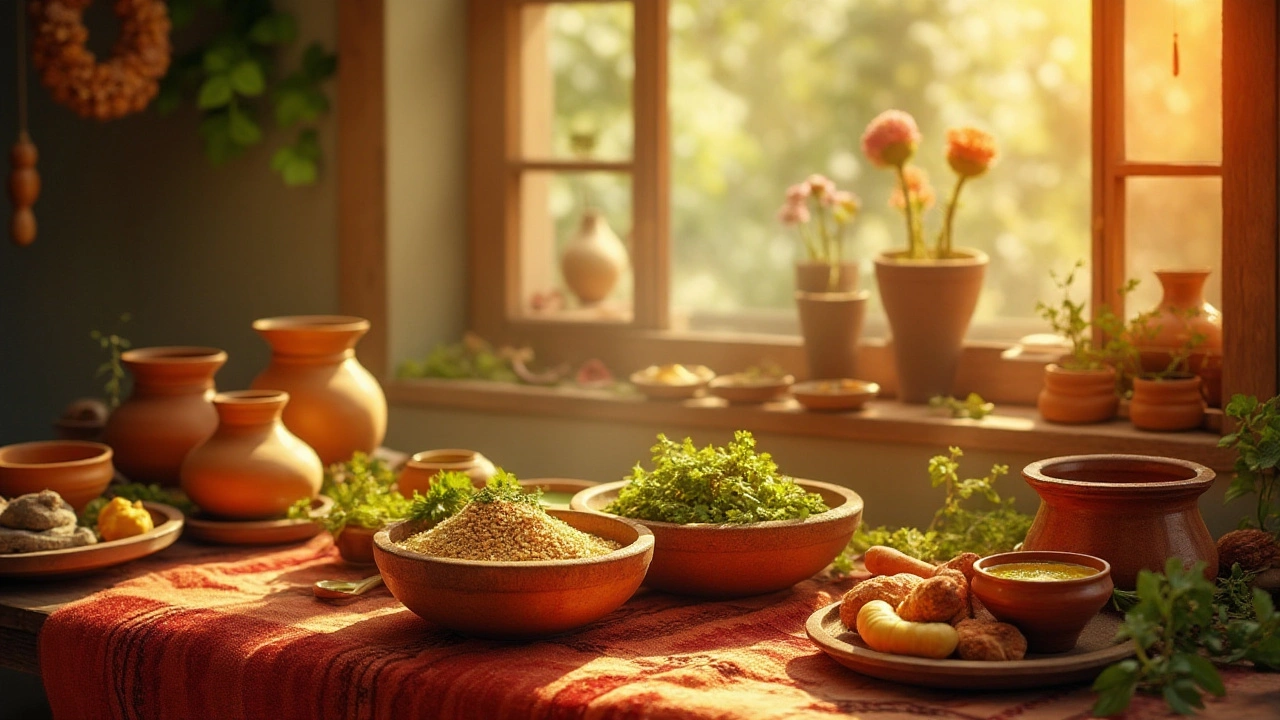
FebruaryVata Dosha: Foods and Habits to Avoid for Balance
Vata dosha, characterized by a cold, dry, and light nature, requires careful management through diet and lifestyle choices. Those with a dominant Vata dosha should avoid certain foods and habits to maintain balance and well-being. By steering clear of specific elements, individuals can enjoy better health and harmony. This article explores the foods, habits, and practices that are best avoided by those with Vata dominance, offering practical advice for everyday living.
Recent posts
-
 7 Mar 2025
Unveiling the Most Diagnosed Mental Disorder of Our Time
-
 5 Jun 2025
Is 3 Years Too Long to Be in Therapy? What Really Matters
-
 17 Jan 2025
Post-Knee Surgery Bowel Movements: What to Expect
-
 24 Jan 2025
Chemotherapy and Kissing: Understanding the Risks and Precautions
-
 24 Feb 2026
What Is the Difference Between Orthopedic and Orthopaedic?