Alternative Medicine in India: What Works, What Doesn't, and What to Avoid
When people talk about alternative medicine, health practices outside conventional Western medicine, often rooted in tradition and culture. Also known as complementary medicine, it includes everything from herbal teas to yoga, acupuncture to Ayurveda. In India, this isn’t just a trend—it’s part of daily life. Millions rely on it alongside or instead of pills and surgeries. But not all of it is safe, and not all of it works. The line between ancient wisdom and dangerous myth is thinner than you think.
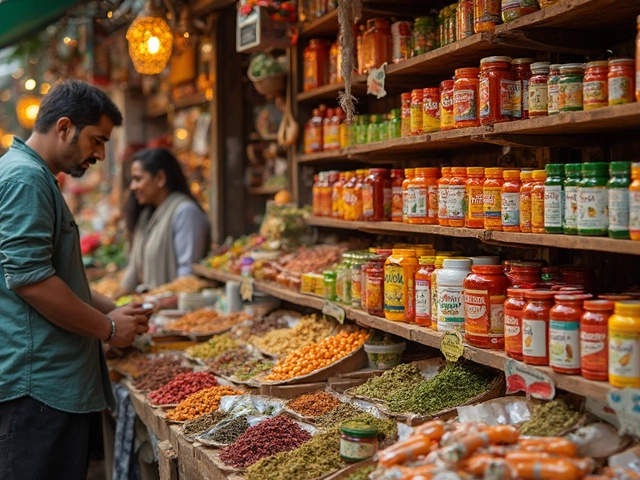
Ayurveda, India’s oldest system of medicine, based on balancing body types called doshas. It’s not just about turmeric milk or oil massages. It’s a full lifestyle system—diet, sleep, even daily routines tied to your body type. The 80/20 rule in Ayurveda? That’s not a marketing gimmick. It’s real advice: follow your ideal routine 80% of the time, and let go of perfection. That’s why it lasts. But when people mix Ayurveda with unregulated herbal supplements, things go wrong. herbal supplements, plant-based products sold as natural health aids. are everywhere. St. John’s Wort for depression? Green tea extract for weight loss? They sound harmless. But they can trigger anxiety, mess with liver function, or interfere with prescription drugs. And no one’s checking the labels.
Then there’s natural remedies, home-based treatments like apple cider vinegar, fasting, or detox teas. Apple cider vinegar won’t clean your liver. Cutting sugar and losing weight will. Detox teas won’t flush toxins. Your liver already does that—unless it’s damaged by alcohol or junk food. These myths spread because they feel simple. But real health isn’t about quick fixes. It’s about consistency. It’s about knowing when to trust tradition and when to walk away.
And let’s be clear: alternative medicine isn’t the enemy. Used right, it can support healing. Yoga helps with chronic pain. Meditation lowers stress. Ayurvedic diets improve digestion. But when it replaces science—like skipping a blood test because you’re drinking neem juice—it becomes dangerous. The posts below show you exactly where the risks hide: which herbs make anxiety worse, what really helps the liver, and why some "natural" treatments can land you in the hospital. You’ll find real talk on what works, what’s overhyped, and what you should never try without asking a doctor first. No fluff. No marketing. Just what you need to know to stay safe and make smarter choices about your health in India.

2
JuneHolistic vs Homeopathic: What’s the Real Difference?
This article clears up confusion between holistic and homeopathic medicine. It explains what each approach means, how they’re used, and the ways they overlap or stand apart. Get tips on when to use one over the other and see how they connect with ayurvedic traditions. Real-life examples and practical advice make it an easy read. You'll walk away actually knowing when someone is recommending holistic care or homeopathy—and why it matters.
Recent posts
-
 5 Jul 2025
Ashwagandha Side Effects: Why You Might Feel Strange After Taking It
-
 9 Feb 2025
Top Three Liver Hazards: Unmasking Herbal Supplements
-
 12 Apr 2025
Best Herbal Products: Which Company Stands Out?
-
 4 Dec 2025
Is Going to Mexico for Surgery Safe? What You Need to Know Before You Go
-
 27 Jul 2025
Understanding Bone Surgery: Names, Types, and What to Expect