Post-Heart Surgery Recovery & Pain Estimator
Select your procedure type to view estimated pain levels, mobility restrictions, and recovery milestones.
Key Recovery Milestones
Select a procedure above to see details.
Ask ten people what hurts the most after a medical procedure, and you will get ten different answers. But if you press them on which one makes them want to curl into a ball and never move again, open-heart surgery is usually at the top of the list. It is not just because the incision is big; it is because the surgery involves cracking your chest bone apart. This process, known as a median sternotomy, leaves patients with a unique kind of agony that few other procedures can match.
You might be facing this surgery yourself, or maybe you are caring for someone who is. Either way, knowing what to expect changes everything. Fear often comes from the unknown. If you understand why it hurts, how long it lasts, and what actually helps, you stop fighting the pain and start managing it. Let’s break down why this specific type of cardiac surgery takes the crown for discomfort, and more importantly, how you can survive the recovery without losing your mind.
Why Open-Heart Surgery Hurts So Much
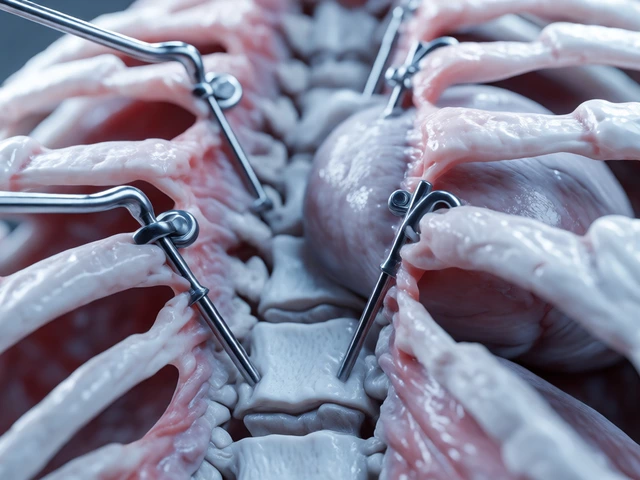
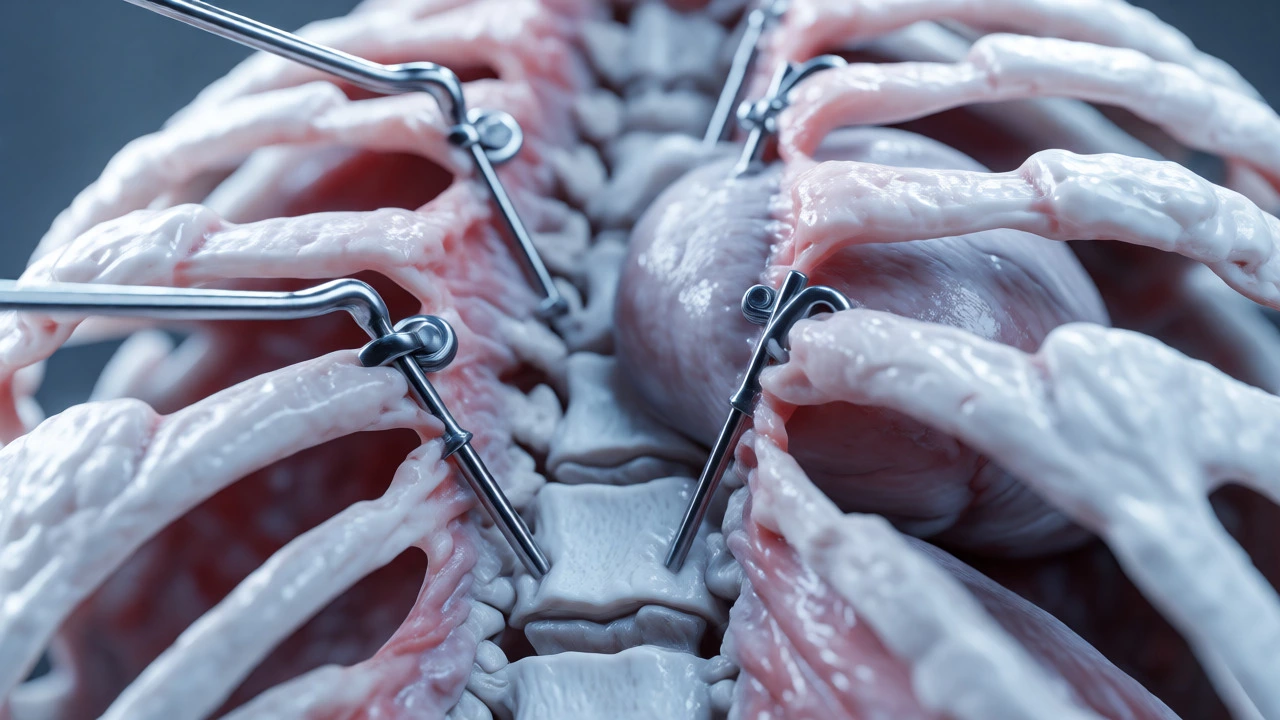
The reason open-heart surgery feels so brutal isn’t just about cutting skin. It is about mechanics. To reach the heart, surgeons must split the sternum (breastbone) vertically. They use a surgical saw to cut through the bone and then spread the two halves apart using a retractor. Think of it like breaking a stick in half and holding it open. The muscles attached to that bone are stretched tight, and the nerves around the rib cage are irritated.
When you wake up, you aren’t just dealing with a wound. You are dealing with a chest wall that has been forcibly expanded. Every time you breathe, cough, or laugh, those bones shift slightly against each other. That micro-movement triggers sharp, stabbing pain. Unlike a knee replacement where you can keep the leg still, you cannot stop breathing. This constant mechanical stress is why patients rate their pain higher here than in many abdominal surgeries.
It’s also worth noting that the body reacts to the trauma by releasing inflammatory chemicals. These chemicals sensitize the nerve endings in the chest area, making even light touch feel painful. This phenomenon, called hyperalgesia, means your brain amplifies the pain signals. It’s not in your head-it’s a real physiological response to major tissue damage.
Sternotomy vs. Minimally Invasive Options
Not all heart surgeries involve cracking the chest. Technology has advanced, and many procedures now happen through small incisions between the ribs. But does less cutting mean less pain? Sometimes, but not always.
| Surgery Type | Incision Location | Pain Duration | Mobility Impact |
|---|---|---|---|
| Median Sternotomy | Chest center (bone split) | 4-8 weeks | High (cannot lift arms overhead) |
| Thoracotomy | Side of chest (between ribs) | 6-10 weeks | Very High (nerve pain common) |
| Minimally Invasive | Small side incisions | 2-4 weeks | Moderate |
| Catheter-Based | Groin or wrist | 1-3 days | Low |
A thoracotomy, where the surgeon works between the ribs, can actually hurt longer than a sternotomy. Why? Because the intercostal nerves run along the bottom of each rib. Spreading the ribs stretches these nerves, leading to burning or tingling sensations that can last for months. A sternotomy heals faster because bone knits together predictably, whereas nerve irritation is unpredictable and stubborn.
The First 72 Hours: Surviving the ICU
The first three days in the Intensive Care Unit (ICU) are the hardest. You will likely have a breathing tube initially, which causes throat soreness. Once that is out, you face the challenge of deep breathing exercises. Nurses will make you use an incentive spirometer-a plastic device you blow into-to prevent pneumonia. Doing this while your chest feels like it’s on fire is tough.
Here is a pro tip: hug a pillow tightly against your chest before you cough or take a deep breath. This technique, called "splinting," reduces the movement of the sternum and significantly cuts down on pain spikes. Do not try to be brave and skip the pain meds. Falling behind on pain control makes it harder to catch up later.
Also, don’t ignore the emotional toll. Many patients experience "ICU delirium"-confusion or agitation caused by anesthesia, sleep deprivation, and unfamiliar surroundings. It’s temporary, but it adds to the overall misery. Having a family member present can help ground you.

Managing Pain Without Opioids
We all know opioids like morphine or oxycodone work well, but they come with side effects: constipation, nausea, and drowsiness. Constipation is a particular nightmare after heart surgery because straining during bowel movements puts pressure on your healing chest. If you are already in pain, pushing hard feels impossible.
Modern pain management protocols favor a multi-modal approach. This means combining different types of medication to attack pain from multiple angles:
- Acetaminophen (Paracetamol): Takes the edge off mild pain and allows you to lower opioid doses.
- NSAIDs (like Ibuprofen): Reduces inflammation. Check with your cardiologist first, as some NSAIDs can affect kidney function or interact with blood thinners.
- Gabapentin: Specifically targets nerve pain, which is common if the surgery involved rib spreading.
- Topical Lidocaine Patches: Can provide localized relief without systemic side effects.
By stacking these treatments, you reduce the total amount of narcotics needed. This leads to clearer thinking and faster mobility, both of which speed up recovery.
Recovery Timeline: What to Expect Week by Week
Healing is not linear. Some days will feel great; others will feel like you are back in the hospital bed. Here is a realistic breakdown of the recovery timeline:
- Weeks 1-2: Sharp pain at the incision site. Fatigue is extreme. You need help with daily tasks. Sleeping upright in a recliner is often easier than lying flat.
- Weeks 3-4: Pain shifts from sharp to dull ache. You can walk short distances. Driving is usually prohibited due to reaction times and seatbelt pressure.
- Months 2-3: Bone healing continues. You may feel clicking or popping sounds in the chest when moving. This is normal unless accompanied by redness or fever. Light activities resume.
- Months 4-6: Full bone fusion typically occurs by 8-12 weeks, but soft tissue remodeling continues. Energy levels return to near-normal. Cardiac rehab becomes crucial here.
If you live in a hot climate like Bangalore, humidity can sometimes increase swelling around the scar, making it itch or throb. Keeping the area clean and dry is essential. Use silicone gel sheets once the scab falls off to minimize keloid formation.

When Pain Signals Something Wrong
While pain is expected, certain types signal complications. Watch out for these red flags:
- Instability: If you feel a "clicking" sensation that worsens with movement, the sternum wires might be loose. Contact your surgeon immediately.
- Infection Signs: Increasing redness, warmth, pus, or fever above 100.4°F (38°C).
- Shortness of Breath: Persistent breathlessness could indicate fluid around the lungs or heart.
- New Leg Pain: Swelling or pain in one calf could suggest a blood clot (DVT), especially if you’ve been immobile.
Do not wait for your next appointment if these occur. Call your healthcare provider right away. Early intervention prevents minor issues from becoming major setbacks.
Frequently Asked Questions
How long does pain last after open-heart surgery?
Most acute pain subsides within 4 to 6 weeks. However, some patients experience residual discomfort or numbness around the incision site for up to six months. This is due to nerve regeneration and scar tissue formation.
Can I sleep on my side after heart surgery?
For the first 6 to 8 weeks, sleeping on your back is recommended to avoid putting pressure on the healing sternum. After that, you can gradually transition to side sleeping, but listen to your body. If it hurts, switch positions.
Why does my chest click when I move?
Clicking or popping sounds are common during the first few months as the sternum heals and surrounding muscles stretch. As long as there is no significant pain, redness, or instability, it is usually harmless. Mention it to your doctor at your next check-up.
Is minimally invasive heart surgery less painful?
Generally, yes. Procedures like robotic-assisted surgery or catheter-based interventions involve smaller incisions and no bone splitting, leading to shorter hospital stays and less immediate pain. However, individual pain tolerance varies, and some minimally invasive techniques involving rib spreading can still cause significant nerve pain.
What is the best position for sleeping after heart surgery?
Sleeping in a reclined position, such as in a recliner chair or with extra pillows under your upper back, is often most comfortable. This reduces strain on the chest muscles and makes breathing easier compared to lying completely flat.