Vitamins: What They Do, Which Ones Matter, and How to Get Them Right
When we talk about vitamins, organic compounds your body needs in small amounts to function properly. Also known as essential nutrients, they’re not magic pills—they’re the quiet engines behind your energy, immunity, and healing. You don’t need to take every supplement on the shelf. What you need is the right ones, in the right amounts, for your body’s real needs.
Take vitamin D, a hormone-like nutrient your skin makes from sunlight. Also known as the sunshine vitamin, it’s linked to bone strength, immune response, and even mood. In India, where many people work indoors or cover up for cultural reasons, deficiency is shockingly common—even in sunny cities. Yet most multivitamins give you 400 IU—far below the 1,000 to 2,000 IU many adults actually need. Then there’s B vitamins, a group of eight water-soluble nutrients that turn food into energy. Also known as the energy vitamins, they’re critical if you’re stressed, eating processed food, or avoiding meat. B12 deficiency, for example, can mimic fatigue, brain fog, or even depression—and it’s often missed because doctors only check blood levels without looking at symptoms. And here’s the thing: no amount of supplements will fix a diet full of refined carbs, fried food, and sugary drinks. Vitamins don’t work in a vacuum. They need real food to do their job.
Some people think popping a pill covers all bases. But the posts here show something else: vitamins are tangled up in real health issues. A full blood test might reveal low iron or B12 before you even feel tired. A liver that’s overloaded with sugar might not process vitamins properly, even if you’re taking them. Supplements can even backfire—like green tea extract triggering anxiety in some, or St. John’s Wort messing with medications. Vitamins aren’t harmless. They interact. They compete. They matter.
You won’t find fluff here. No ‘miracle blends’ or ‘superfood powders.’ Just real connections: how vitamin levels tie into diabetes control, why recovery after surgery needs specific nutrients, what blood tests actually show about your intake, and why some people feel worse after taking supplements. Whether you’re wondering if you need more D, confused by B-complex labels, or just tired of being told to ‘take a multivitamin,’ this collection cuts through the noise. You’ll walk away knowing what to test for, what to skip, and what your body is really asking for.

4
MayCan I Take 5 Different Vitamins at Once? Your Guide to Mixing Herbal Supplements Safely
Wondering if you can mix several vitamins at the same time? This article breaks down what happens when you take multiple vitamin supplements together, what to look out for, and offers practical tips to do it safely. Learn which combos work and which might cause problems. Packed with real-life advice and common mistakes to avoid, this guide is for anyone thinking about adding more than one supplement to their daily routine.
Recent posts
-
 21 Nov 2025
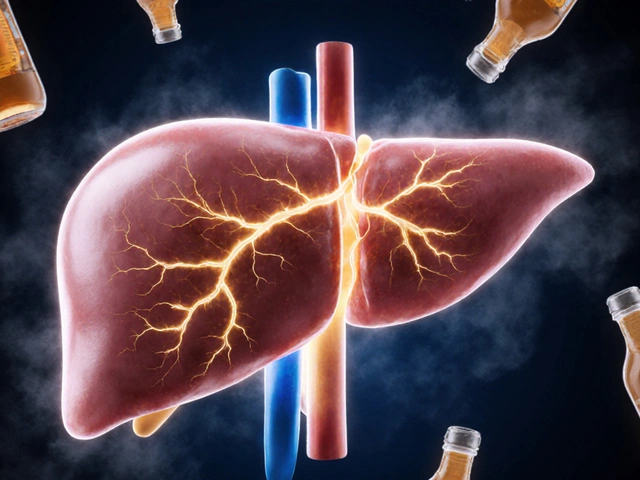
Can Apple Cider Vinegar Clean Out Your Liver? The Science Behind the Claim
-
 6 Jul 2025
How Long Do Patients Stay in the Hospital After Open Heart Surgery?
-
 20 Nov 2025
What Herbs Can Cause Anxiety? Top 7 Herbal Supplements Linked to Increased Anxiety
-
 20 Mar 2026
What is the best treatment for aging face? Top proven options in 2026
-
 1 Mar 2025
Who Should Steer Clear of Herbal Supplements?