Supplement Safety: What You Need to Know Before Taking Any Pill or Herb
When you pick up a bottle of supplement safety, the practice of using dietary and herbal products without harm or unintended consequences. Also known as nutritional supplement safety, it’s not about avoiding supplements—it’s about knowing which ones actually work, which ones could hurt you, and how they mix with your meds or health conditions. Most people think if it’s natural, it’s safe. That’s not true. St. John’s Wort can mess with antidepressants. Green tea extract can damage your liver. Yohimbe can spike your blood pressure. These aren’t rare cases—they’re documented risks, and they show up in real people’s ER visits.
herbal supplements, plant-based products sold to improve health or treat symptoms. Also known as botanicals, it are often marketed as gentle, but they’re powerful. They don’t go through the same testing as prescription drugs. A study from the FDA found nearly 1 in 5 herbal products contained unlisted pharmaceuticals—like steroids or erectile dysfunction drugs—hidden in labels that say "all natural." And if you’re on blood thinners, diabetes meds, or have liver disease, even something as simple as turmeric or ginger can become dangerous. Then there’s dietary supplements, products taken to add nutrients or support health, including vitamins, minerals, amino acids, and herbs. Also known as vitamin supplements, it aren’t regulated like food or medicine in India. That means no one checks the dose, purity, or whether the label matches what’s inside. You could be paying for saw palmetto and getting chalk.
supplement side effects, unwanted reactions caused by taking a supplement, ranging from mild nausea to organ damage. Also known as adverse reactions to supplements, it are underreported because people don’t connect them to what they’re taking. Nausea? Maybe it’s the ashwagandha. Insomnia? Could be the pre-workout with hidden caffeine. Liver enzymes spiking? Might be that liver "detox" blend. And supplement interactions, harmful or reduced effects when supplements mix with other drugs or conditions. Also known as drug-supplement interactions, it are the silent killers. Someone on statins takes red yeast rice—same active ingredient, double dose, muscle damage. Someone with anxiety takes kava—calms them, but their liver starts failing. These aren’t hypotheticals. They’re in the medical journals, and they’re happening in India right now.
You don’t need to avoid supplements. But you need to know what you’re taking, why, and who says it’s safe. The posts below don’t sell you miracle cures. They show you what actually goes wrong—like how certain herbs trigger anxiety, why apple cider vinegar won’t clean your liver, and what blood tests can reveal when your body’s reacting to something you thought was harmless. This isn’t fear-mongering. It’s clarity. And it’s the kind of info you won’t get from a bottle label.
2
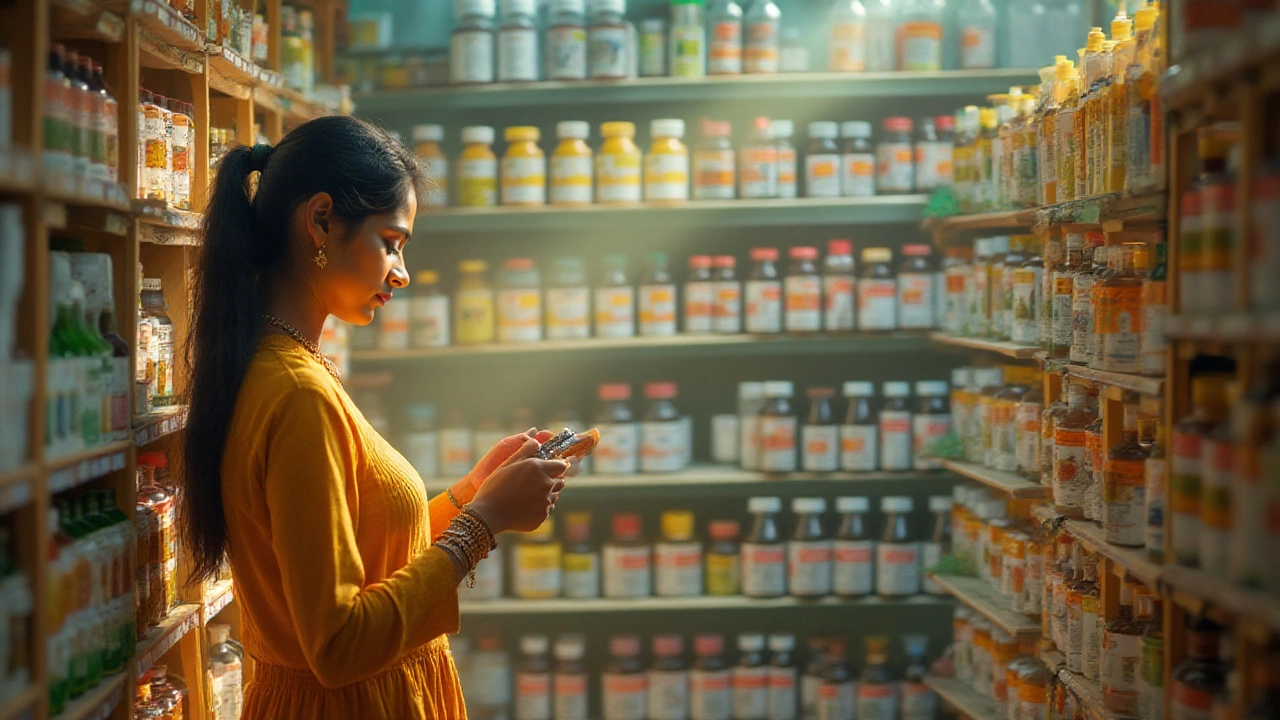
AugustHow to Choose Herbal Supplements: Safety, Quality, and Smart Shopping Guide
Confused by endless herbal supplement choices? Learn how to spot quality, read labels, avoid scams, and make safe choices. Get smarter about what you put in your body.
Recent posts
-
 23 Dec 2025
Are You Put to Sleep for Dental Implants? What Really Happens During the Procedure
-
 17 Nov 2025
What Are the 10 Most Disabling Mental Illnesses?
-
 11 May 2025
Amazon Pharmacy: Is It a Real, Legit Service?
-
 27 Feb 2025
Inflammatory Foods in Ayurveda: What's on the List?
-
 8 Mar 2025
What's the Most Feared Cancer?