Shower Protocol: What It Really Means for Health and Recovery
When people talk about a shower protocol, a structured routine for bathing that’s designed to support health, recovery, or specific medical outcomes. Also known as thermal therapy routine, it’s not just about getting clean—it’s about using water temperature, timing, and sequence to influence your body’s healing, circulation, and nervous system. This isn’t a one-size-fits-all rule. In hospitals, after major surgeries like open-heart procedures, patients are given clear instructions on when and how to shower to avoid infection or strain. At home, people use it to manage chronic pain, reduce inflammation, or even boost mental clarity.
A cold shower, a brief exposure to water below 60°F (15°C) to trigger physiological responses like increased heart rate and norepinephrine release. Also known as cryotherapy shower, it’s become popular for reducing muscle soreness after workouts and improving alertness. But it’s not for everyone—especially not right after heart surgery, where sudden temperature shifts can stress the cardiovascular system. Meanwhile, a warm shower, a gentle soak in water between 98°F and 105°F (37°C–40°C) to relax muscles and promote blood flow. Also known as hydrotherapy session, it’s often recommended for joint pain, arthritis, or recovery from orthopedic surgeries like knee replacements. The right protocol depends on your condition, healing stage, and what your doctor says.
Some of the posts in this collection touch on related topics—like how long to wait before showering after open-heart surgery, or what activities are safe during recovery. You’ll find advice on when it’s okay to get wet again after a major procedure, how to protect incisions, and why skipping a shower isn’t always better than taking one too soon. There’s also overlap with recovery timelines for joint replacements, mental health routines, and even how hygiene habits affect overall well-being. A shower protocol isn’t magic, but it’s one of the most overlooked tools in self-care. Done right, it can reduce swelling, improve sleep, lower stress, and even speed up healing. Done wrong, it can delay recovery or cause complications.
Whether you’re recovering from surgery, managing chronic pain, or just trying to optimize your daily routine, the way you shower matters more than you think. Below, you’ll find real, practical guides from people who’ve been there—what worked, what didn’t, and what doctors actually recommend. No fluff. No myths. Just what you need to know to make your next shower work for you, not against you.

19
OctoberWhy You Can’t Shower After Knee Replacement Surgery - Risks & Safe Alternatives
Learn why showering is restricted after knee replacement, the infection risks, safe hygiene alternatives, and a step‑by‑step shower protocol for a smooth recovery.
Recent posts
-
 25 Feb 2025
Understanding Ayurvedic Medicine: Uses and Benefits
-
 10 May 2025
Knee Replacement: How Bad Does Your Knee Really Have to Be?
-
 13 Feb 2025
Do They Break Your Ribs for Open Heart Surgery?
-
 5 Jun 2025
Is 3 Years Too Long to Be in Therapy? What Really Matters
-
 20 Nov 2025
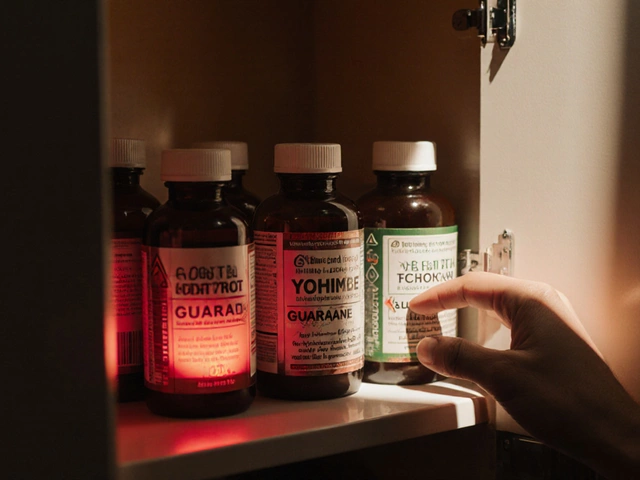
What Herbs Can Cause Anxiety? Top 7 Herbal Supplements Linked to Increased Anxiety