Safest Diabetic Medication: What Works Best and Why
When it comes to managing type 2 diabetes, the safest diabetic medication, a drug that lowers blood sugar with minimal risk of dangerous side effects like low blood sugar or organ damage. Also known as low-risk diabetes pill, it’s not just about controlling numbers—it’s about protecting your heart, kidneys, and daily life over decades. Many people assume all diabetes pills are alike, but that’s not true. Some raise your risk of low blood sugar, others strain your kidneys, and a few even increase heart problems. The goal isn’t just to lower glucose—it’s to do it without trading one problem for another.
The metformin, the first-line diabetes drug used worldwide for over 60 years. Also known as Glucophage, it works by making your liver produce less sugar and helping your body use insulin better is still the gold standard for safety. It doesn’t cause low blood sugar on its own, doesn’t make you gain weight, and has real data showing it lowers heart disease risk. Studies tracking patients for 10+ years show it’s one of the few diabetes drugs that actually improves long-term survival. Then there’s the newer class—GLP-1 agonists, a group of injectable and oral medications that mimic a gut hormone to slow digestion and boost insulin. Also known as semaglutide-type drugs, they include Ozempic and Wegovy, and are now being prescribed for their heart and kidney protection, not just weight loss. These aren’t pills, but they’re becoming part of the safety conversation because they reduce heart attacks and kidney damage more than older drugs.
What makes a diabetic medication truly safe? It’s not just about side effects—it’s about what it does to your body over time. Does it stress your kidneys? Does it cause crashes in blood sugar? Does it make you gain weight or feel sick? Metformin wins on most of these. GLP-1 agonists win on heart and kidney protection but can cause nausea or digestive issues. Older pills like sulfonylureas? They’re cheap but risky—they push your pancreas to make more insulin, which can drop your blood sugar dangerously low, especially if you skip a meal. That’s why doctors now avoid them unless absolutely necessary.
There’s no one-size-fits-all answer. Your age, kidney function, weight, and other health issues matter. But if you’re looking for the most reliable, well-studied, and safest starting point, metformin still leads. If you’ve got heart disease or need to lose weight, GLP-1 agonists might be the better long-term choice—even if they cost more. The key is knowing what each drug does to your body, not just what the label says.
Below, you’ll find real comparisons of the most common diabetes pills—what they do, what they cost, and which ones actually keep you healthier over time. No marketing fluff. Just facts from doctors, patients, and clinical data.
1
OctoberSafest Diabetic Medication: A Complete Safety Guide
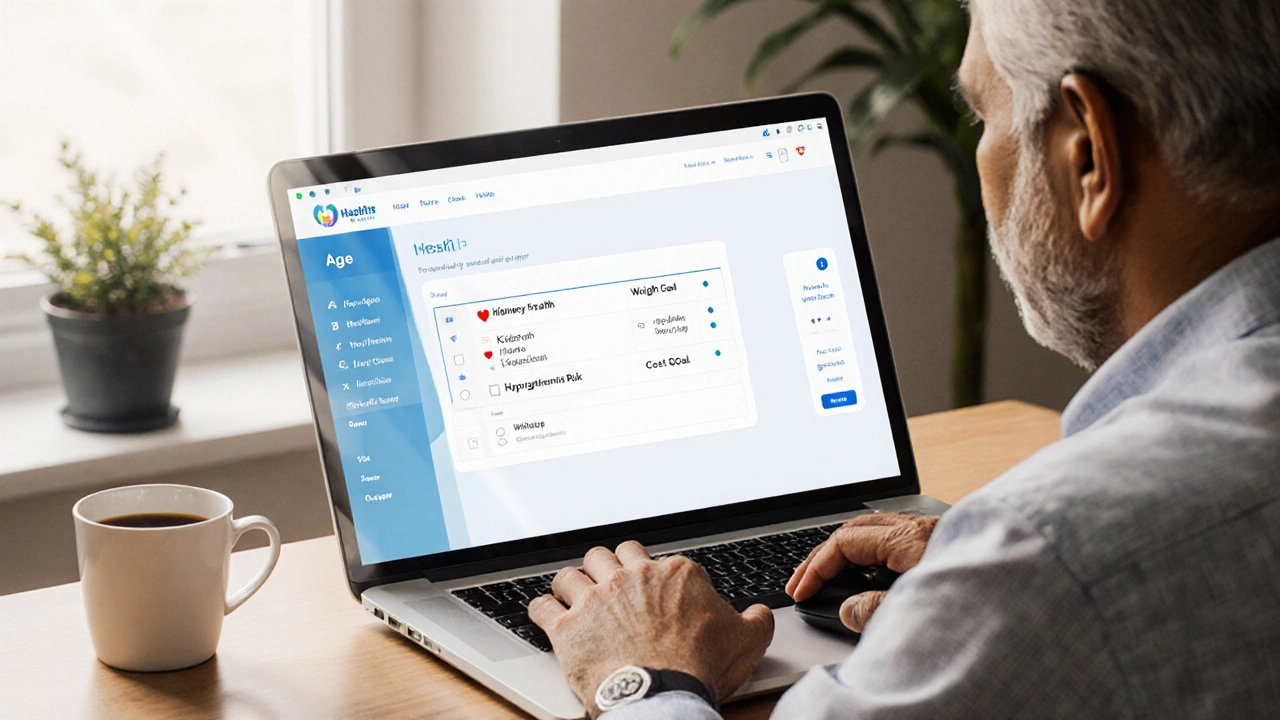
Discover which diabetes drugs are safest in 2025, covering hypoglycemia risk, heart and kidney benefits, weight effects, and practical tips for choosing the right medication.
Recent posts
-
 24 Jan 2025
Chemotherapy and Kissing: Understanding the Risks and Precautions
-
 31 Mar 2026
What Herbs Should You Not Mix Together? A Safety Guide
-
 9 Dec 2025
How to Get Wegovy for $25 a Month: Real Ways to Lower Your Cost
-
 13 Feb 2026
What Are Some Examples of Herbal Supplements and How They're Used
-
 3 Aug 2025
Does ADHD Get Worse with Age? Understanding Adult ADHD Symptoms and Treatment