Risks in Medicine: What You Need to Know About Health Treatments and Procedures
When you hear the word risks, potential harm or negative outcomes from medical treatments, procedures, or lifestyle choices. Also known as health dangers, it isn't just about scary headlines—it's about real, measurable downsides that come with everything from a simple blood test to major surgery. Every medical choice carries some level of risk, and knowing what those are helps you ask better questions and make smarter decisions.
Take surgery risks, complications like infection, prolonged recovery, or unexpected reactions during or after an operation. For example, knee replacements sound straightforward, but not everyone is a good candidate—people with poor circulation, uncontrolled diabetes, or severe obesity face higher chances of failure. Open-heart surgery? Recovery isn’t just about time—it’s about stamina, safety at home, and whether you can even shower without risking infection. These aren’t rare edge cases. They’re common enough that doctors screen for them before approving procedures.
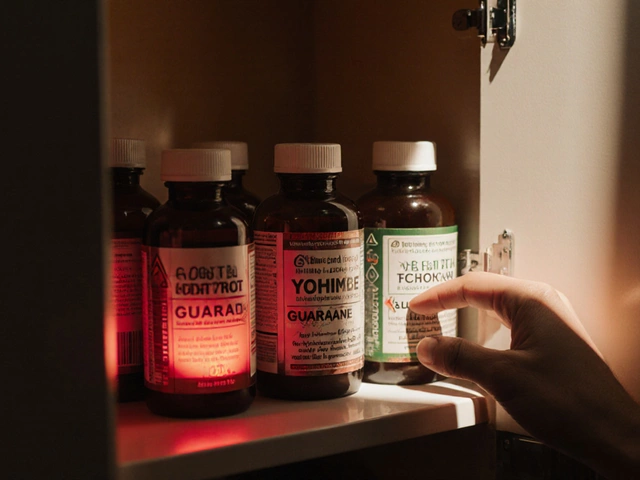
Then there’s medication dangers, side effects that aren’t always listed clearly, especially with newer weight-loss drugs or herbal supplements. Ozempic helps with weight loss, but it can cause nausea, pancreatitis, or worse. Even "natural" options like St. John’s Wort or green tea extract can trigger anxiety in some people. And don’t assume apple cider vinegar is harmless—it won’t detox your liver, but cutting sugar and alcohol will. The real danger? Believing something is safe just because it’s labeled "natural" or "over-the-counter."
Why risks are often hidden—and how to find them
Most people only hear about the benefits. Clinics advertise success rates, not failure rates. Ads show happy patients, not the ones who had complications. But the truth is in the data: pancreatic cancer is hard to cure because it’s found too late. IVF after a baby? Waiting 18–24 months isn’t just a suggestion—it’s a safety rule to protect your body. And mental health? The most disabling illnesses like schizophrenia or bipolar disorder often go untreated because people don’t recognize the signs—or they’re too afraid to speak up.
What you’ll find in these articles isn’t fearmongering. It’s clarity. You’ll learn who shouldn’t get a knee replacement, why insurance denies Zepbound, what herbs make anxiety worse, and how long it really takes to recover from spinal fusion. These aren’t theoretical risks. They’re lived experiences, backed by medical evidence and real patient outcomes. Whether you’re considering a procedure, starting a new pill, or just trying to understand your blood report, knowing the risks isn’t about avoiding care—it’s about getting the right care, safely.

8
FebruaryWho Should Avoid Heart Surgery?
Choosing to undergo heart surgery is a big decision, but not everyone is an ideal candidate. Age, overall health, and current medical conditions significantly influence this decision. Understanding the potential risks and alternatives could save lives. This article explores who might not benefit from heart surgery and what alternatives might be available.
Recent posts
-
 20 Nov 2025
What Herbs Can Cause Anxiety? Top 7 Herbal Supplements Linked to Increased Anxiety
-
 2 Feb 2025
Vata Dosha: Foods and Habits to Avoid for Balance
-
 7 Mar 2025
Unveiling the Most Diagnosed Mental Disorder of Our Time
-
 20 Apr 2025
What Type of Cancer Has No Cure? Realities of Untreatable Cancers
-
 8 Oct 2025
Can Ayurveda Regrow Hair? Evidence, Herbs, and Practical Guide