Pregnancy After IVF: What to Expect and How to Stay Healthy
When you get pregnant after IVF, a medical process where eggs are fertilized outside the body and implanted into the uterus. Also known as in vitro fertilization, it’s one of the most common ways people build families when natural conception isn’t working. The journey doesn’t end with a positive test. Pregnancy after IVF comes with its own set of questions, worries, and special care needs.
Many people assume that once the embryo sticks, everything’s fine. But IVF pregnancy, a pregnancy that begins with assisted reproductive technology often requires more monitoring than a naturally conceived one. You’ll likely have earlier and more frequent ultrasounds, blood tests to track hormone levels, and closer check-ins with your fertility doctor—even after you’re referred to an OB-GYN. That’s because IVF success rates, the percentage of cycles that lead to a live birth vary by age, clinic, and medical history, and your care team wants to make sure this pregnancy stays on track.
There’s also the emotional side. After months or years of cycles, injections, waiting, and disappointment, a positive result can feel surreal. It’s normal to feel anxious, even scared. You might worry about miscarriage, multiples, or whether your body will hold the baby. These fears don’t mean you’re overreacting—they mean you care. The good news? Most pregnancies after IVF progress just like any other. The risk of miscarriage drops sharply after the first trimester, and by week 12, your chances of a healthy outcome are very high.
What you can control? Nutrition, rest, and avoiding stress where you can. Skip the extreme diets or detoxes. Stick to whole foods, take your prenatal vitamins, and don’t push yourself too hard. If you’re working, talk to your doctor about when to scale back. If you’ve had a previous loss, your doctor may recommend extra progesterone or low-dose aspirin. These aren’t magic fixes—they’re tools to give your body the best shot.
You’ll also hear a lot about multiples. IVF does increase the chance of twins or more, especially if more than one embryo was transferred. But many clinics now recommend single embryo transfers to reduce risks like preterm birth and preeclampsia. Your doctor will help you weigh the pros and cons based on your age and history.
And if you’ve had a failed IVF cycle before? Don’t let that define your next pregnancy. Every cycle is different. Your body changes. Your treatment plan can change too. The fact that you’re pregnant now means something worked. Focus on that.
What you’ll find in the articles below are real, practical answers from people who’ve been there. From how long to wait after a baby before trying IVF again, to what blood tests matter most in early IVF pregnancy, to how to handle anxiety when your body feels like a science experiment—these posts cut through the noise. No fluff. No guesswork. Just clear, India-focused advice you can use.
25
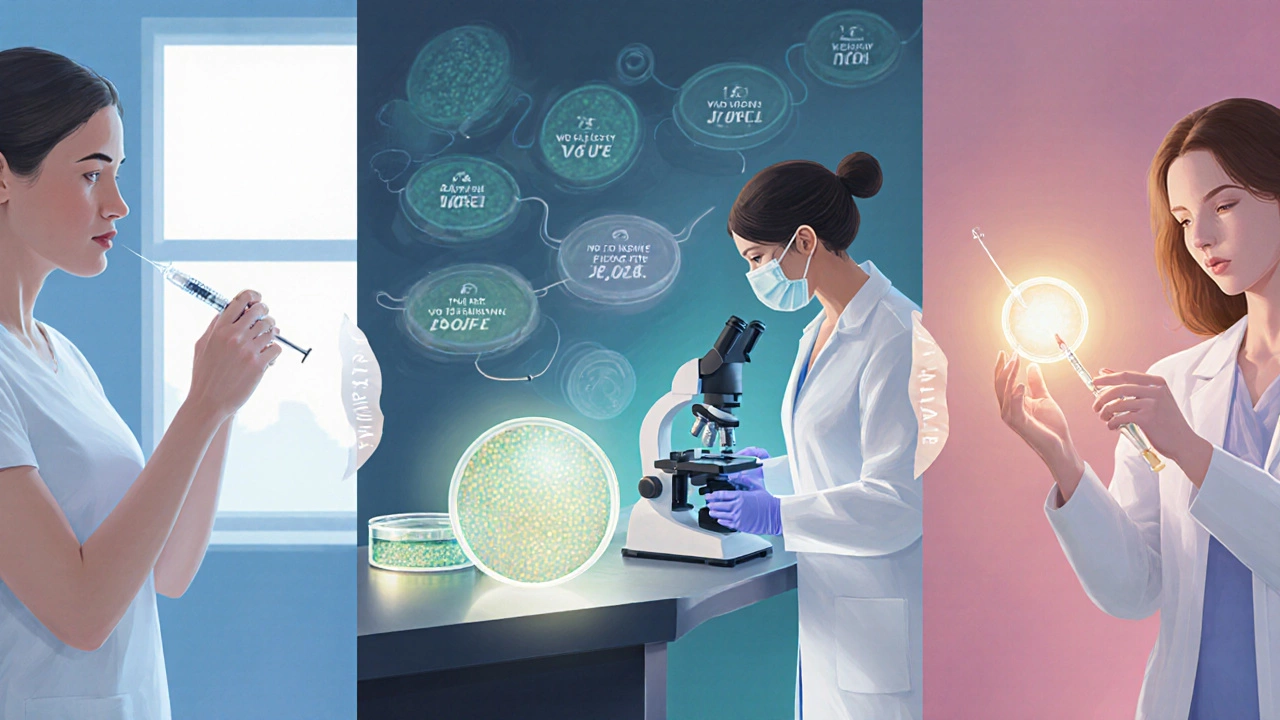
OctoberIVF Timeline: How Long Until You Get Pregnant?
Learn the typical IVF timeline, how many weeks it takes to get pregnant, factors that affect timing, and realistic expectations for each cycle.
Recent posts
-
 17 Oct 2025
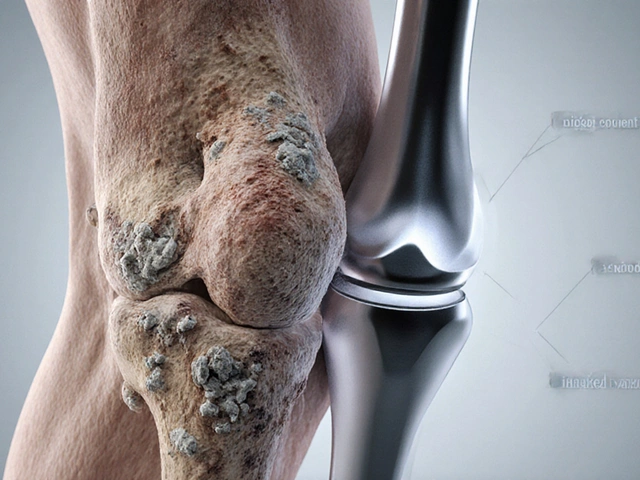
Who Is a Bad Candidate for Knee Replacement? Risks & Contraindications
-
 10 Apr 2025
Do You Eat Meat in Ayurveda?
-
 9 Mar 2025
How to Shed 20 Pounds in a Month
-
 19 Dec 2025
Which Celebrities Have Undergone IVF Treatment?
-
 20 Nov 2025
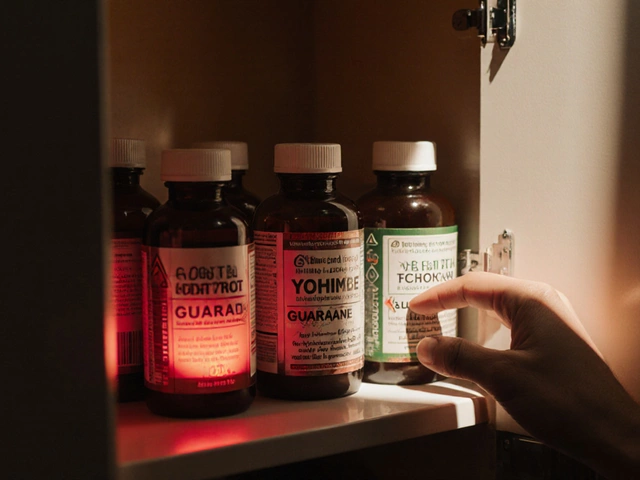
What Herbs Can Cause Anxiety? Top 7 Herbal Supplements Linked to Increased Anxiety