Post-Surgery Recovery: What You Need to Know After Major Procedures
When you go through post-surgery, the period of healing and adjustment after a medical operation. Also known as recovery after surgery, it’s not just about waiting for stitches to dissolve—it’s about rebuilding strength, confidence, and independence. Too many people think if the wound looks okay, they’re fine. But recovery isn’t just about the scar. It’s about your stamina, your balance, your ability to get up from a chair without help, or shower without risking infection. This isn’t a race. It’s a careful return to life.
For someone who’s had open-heart surgery, a major procedure to repair or replace heart valves, bypass blocked arteries, or fix other cardiac issues, going home alone isn’t just a matter of time—it’s a safety decision. Most people need 4 to 8 weeks before they can manage on their own. Why? Because lifting a grocery bag, climbing stairs, or even turning in bed can strain healing tissues. Your heart is still recovering, even if you feel fine. And if you’re not careful, a fall or infection can send you right back to the hospital.
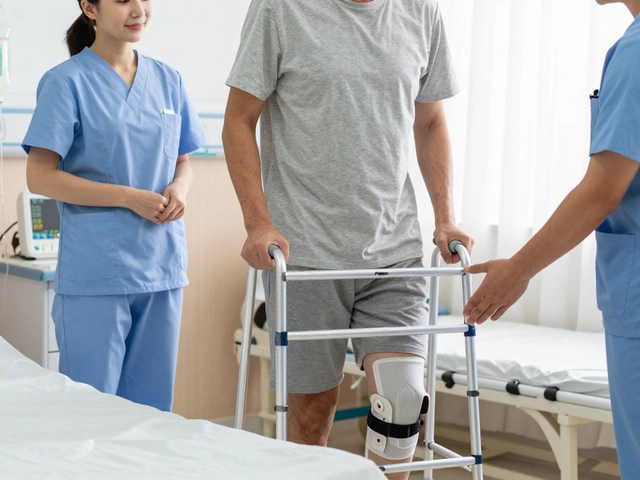
Orthopedic surgery, operations on bones, joints, muscles, or tendons, like knee replacements or spinal fusions is another world. Recovery here isn’t measured in weeks—it’s measured in months. A knee replacement might let you walk with a cane in 6 weeks, but full strength takes 6 to 12 months. Spinal fusion? That can take over a year. And it’s not just about pain. It’s about learning new ways to sit, stand, sleep, and move without hurting yourself again. Many people don’t realize how much their daily habits—how they lift, how they sit at a desk, even how they tie their shoes—need to change after surgery.
And it’s not just the body. The mind plays a big role too. After major surgery, it’s normal to feel anxious, tired, or even depressed. You’re not weak for needing help. You’re human. That’s why questions like “Can I have sex after heart surgery?” or “When can I shower after knee replacement?” aren’t silly—they’re essential. These are real concerns people face, and ignoring them can delay recovery or cause avoidable complications.
What you’ll find below isn’t a list of generic tips. It’s a collection of real, practical answers from people who’ve been through it. From how long to wait before living alone after open-heart surgery, to why rotator cuff repair is one of the most common orthopedic procedures, to what makes spinal fusion one of the longest recoveries—you’ll see the patterns. You’ll learn what doctors really say about activity limits, hygiene, and returning to normal life. No fluff. No marketing. Just what you need to know to heal safely and confidently.

17
JanuaryPost-Knee Surgery Bowel Movements: What to Expect
Recovering from knee replacement surgery involves several changes, including how your body handles waste. It's common for post-surgery patients to experience delayed bowel movements due to medications, limited mobility, and dietary changes. This article provides insights into the timeline of bowel movements after knee surgery and offers practical tips to ease the process, ensuring a more comfortable recovery journey.
Recent posts
-
 5 Dec 2025
How Long Do You Stay in Hospital After Full Knee Replacement?
-
 8 Nov 2025
What Is the Hardest Cancer to Cure? Real Challenges and Current Outlook
-
 7 Mar 2025
Unveiling the Most Diagnosed Mental Disorder of Our Time
-
 12 Jun 2025
Top 3 Worst Cancers: Survival Rates, Symptoms, and What to Watch For
-
 28 Nov 2025
Which Type of Diabetes Is Hardest to Control?