Pharmacy Accreditation: What It Means and Why It Matters in India
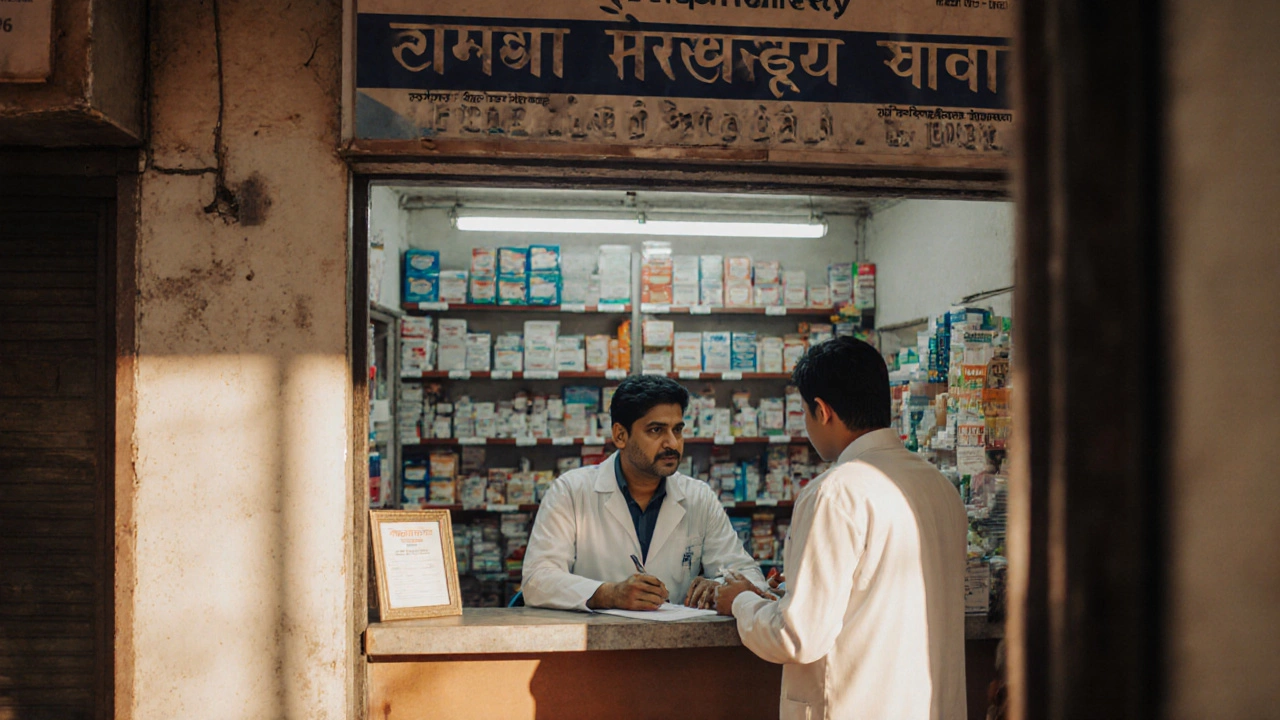
When you walk into a pharmacy, you expect your medicine to be safe, correct, and properly stored. That’s where pharmacy accreditation, a formal process that verifies a pharmacy meets national standards for safety, training, and drug handling. It’s not just a sticker on the wall—it’s your guarantee that the person handing you your pills knows what they’re doing, the storage conditions are right, and the drugs haven’t gone bad. In India, where medicines are sold everywhere—from big chains to tiny street shops—accreditation separates the reliable from the risky.
Pharmacy accreditation pharmacy standards, the official rules set by health authorities on how medicines should be stored, labeled, and dispensed are strict about temperature control, expiration dates, and record-keeping. A pharmacy that’s accredited follows these rules. That means your insulin won’t spoil in a hot cupboard, your antibiotics won’t be mixed up with painkillers, and your prescriptions won’t be filled by someone with no medical training. drug safety, the practice of ensuring medications don’t harm patients due to errors, contamination, or poor handling isn’t optional. It’s the core reason accreditation exists. Without it, you’re gambling with your health every time you pick up a prescription.
Pharmacy licensing is the legal permission to operate. Accreditation is the proof you’re doing it right. In India, many pharmacies are licensed but not accredited. That’s a big difference. A licensed pharmacy can open its doors. An accredited one has been inspected, trained staff have been verified, and audits have confirmed they follow best practices. If you’re buying medicines for a chronic condition—diabetes, heart disease, or mental health—why risk a shop that hasn’t been checked? Accredited pharmacies also keep better records. That means if something goes wrong, they can trace it back. No guesswork. No blame games.
You don’t need to be a doctor to know the difference. Look for the official accreditation badge. Ask if they’re certified by the National Accreditation Board for Hospitals & Healthcare Providers (NABH) or a state-level body. If they hesitate, walk out. Your health isn’t a gamble. The posts below show how pharmacy accreditation connects to real-life issues: why some diabetes pills are unsafe when stored wrong, how fake drugs slip through unregulated outlets, and why your blood test results can be wrong if your meds weren’t handled properly. These aren’t theoretical concerns. They’re everyday risks—and accreditation is the simplest way to reduce them.
12
OctoberHow to Identify the Most Reliable Pharmacy in India
Discover how to pick the most reliable pharmacy in India. Learn key reliability factors, see top trusted pharmacy options for 2025, and use a quick checklist to evaluate any pharmacy.
Recent posts
-
 26 Dec 2025
What Is the Best Age to Have a Knee Replacement?
-
 24 Mar 2026
What Hurts More: Tooth Extraction vs Dental Implant Pain Explained
-
 26 Oct 2025
What Is the 5th Most Common Orthopedic Surgery? - Rotator Cuff Repair Explained
-
 18 May 2025
4 Principles of Ayurveda: Your Guide to Natural Balance
-
 15 Feb 2025
Can I Get a Prescription for Wegovy Online?