Orthopedic Surgery Recovery: What to Expect and How to Heal Faster
When you undergo orthopedic surgery recovery, the process of regaining strength, mobility, and function after bone, joint, or muscle surgery. Also known as post-op orthopedic rehab, it’s not just about waiting for stitches to heal—it’s about rebuilding your body step by step. This isn’t a one-size-fits-all timeline. A knee replacement doesn’t recover the same way a spinal fusion does, and your age, fitness level, and even your sleep habits play a bigger role than most people realize.
Most people assume recovery ends when they leave the hospital, but the real work starts at home. joint replacement recovery, the process of restoring movement and reducing pain after surgeries like hip or knee replacements often takes 3 to 6 months to feel normal. You’ll need to walk with a cane, do simple leg lifts, and avoid crossing your legs—not because your surgeon is being strict, but because ligaments and muscles need time to adapt. Meanwhile, post-op rehab, the structured plan of exercises, physical therapy, and activity modifications after surgery isn’t optional—it’s the difference between walking without pain and living with stiffness for years. Skipping rehab? You’re not saving time. You’re risking long-term mobility loss.
What most guides don’t tell you? Pain doesn’t mean damage. A little discomfort during physical therapy is normal. Sharp pain? That’s your body screaming to stop. And don’t fall for the myth that more movement is always better. Too much too soon can tear healing tissue. The key is consistency—not intensity. Walk every day. Do your prescribed exercises even when you’re tired. Sleep like your recovery depends on it—because it does. Your body repairs itself mostly while you’re asleep.
And yes, you can shower after knee surgery—but not right away. You can’t lift heavy things, drive, or even bend past 90 degrees for weeks. These aren’t random rules. They’re based on how your body actually heals. The same goes for knee replacement healing, the specific process of tissue regeneration and joint stabilization after knee arthroplasty. It’s not just about the implant. It’s about your muscles remembering how to move, your nerves relearning signals, and your balance coming back. That takes weeks. Not days.
You’ll find posts here that break down exactly how long common orthopedic surgeries take, what to avoid after a rotator cuff repair, why you can’t shower right away after a knee replacement, and who shouldn’t even consider surgery in the first place. There’s no fluff. No marketing. Just real, practical details from people who’ve been through it—and doctors who’ve seen what works.
Whether you’re preparing for surgery or halfway through recovery, this collection gives you the unfiltered truth: what to expect, what to worry about, and what you can ignore. No sugarcoating. Just what you need to know to heal right.
27
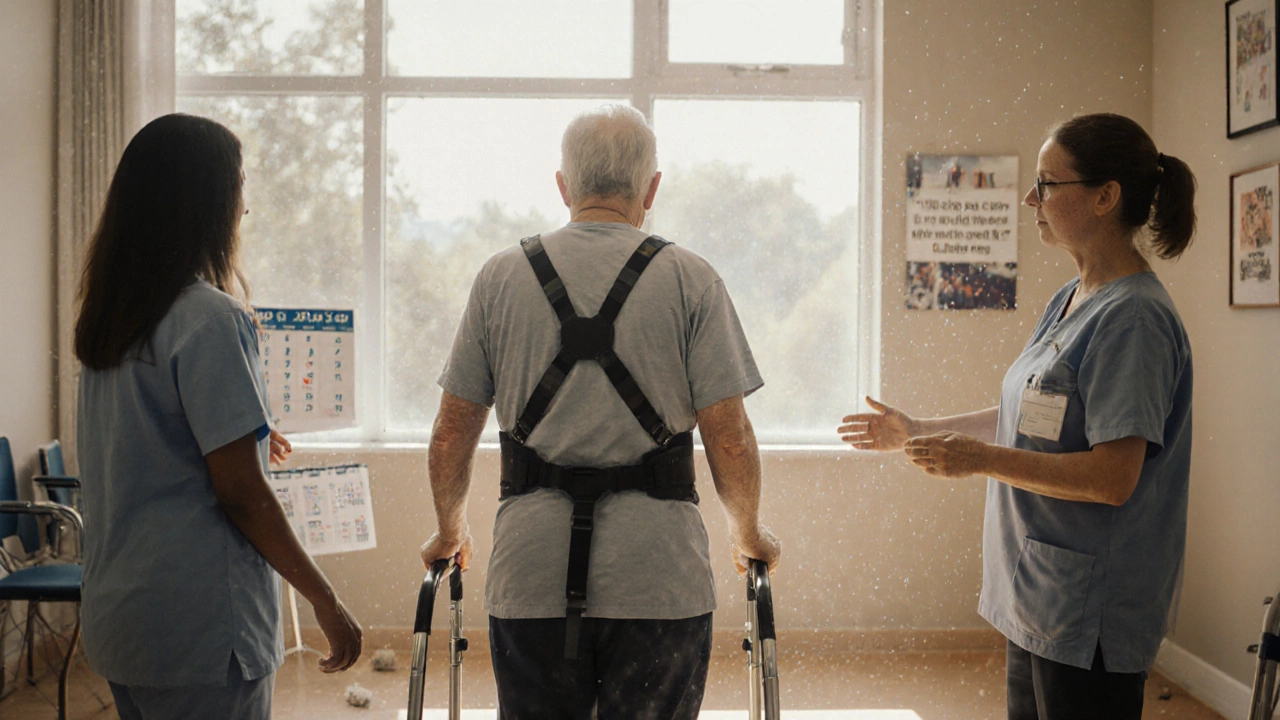
OctoberWhat Surgery Has the Longest Recovery Time? Top 5 Procedures and What to Expect
Spinal fusion and complex orthopedic surgeries often take 12 to 18 months to fully recover from. Learn which procedures demand the longest healing times and how to support your body through recovery.
Recent posts
-
 23 Oct 2025
Ozempic Side Effects: What Weight‑Loss Clinics Need to Know
-
 24 Oct 2025
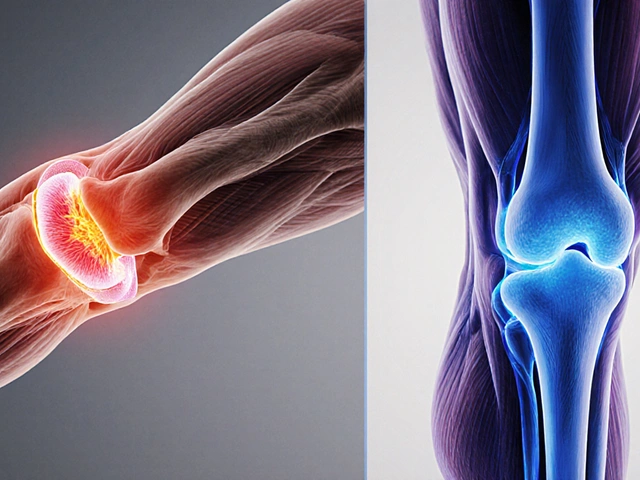
Which Doctor Treats Joint and Muscle Pain Best?
-
 26 Dec 2025
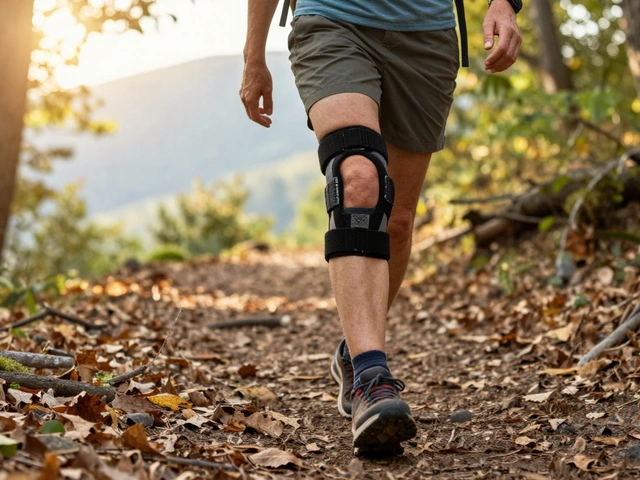
What Is the Best Age to Have a Knee Replacement?
-
 23 Mar 2025
Exploring the Toughest Cancer Treatments: What Patients Endure
-
 4 Apr 2025
Are Ayurvedic Drugs Safe?