Mental Health Care in India: What Works, What Doesn’t
When we talk about mental health care, the system of support, treatment, and resources designed to help people manage emotional, psychological, and behavioral conditions. Also known as psychological care, it’s not just about seeing a therapist—it’s about access, understanding, and breaking the silence that keeps people from getting help. In India, mental health care is often treated like a luxury, not a right. People suffer in silence because they’re told to "just pray harder," "stop being weak," or "it’s all in your head." But depression isn’t laziness. Anxiety isn’t overthinking. PTSD isn’t drama. These are real conditions that change how your brain works—and they need real care.
That’s why therapy, a structured process where a trained professional helps you understand and manage your thoughts, emotions, and behaviors matters. Not every therapy works for everyone. CBT, a type of therapy focused on changing negative thought patterns helps people with anxiety and depression. EMDR, a therapy used to process traumatic memories works for PTSD. But you won’t find many therapists who know how to use EMDR in small towns. And even in cities, cost and stigma push people away. Many don’t even know they can talk to a counselor without being labeled "crazy."
Then there’s anxiety, a condition marked by excessive worry, racing thoughts, and physical symptoms like heart palpitations or panic attacks. It’s not just being nervous before a test. It’s lying awake at 3 a.m. because your mind won’t shut off. And here’s the twist: some herbal supplements people take to "feel calmer"—like green tea extract or yohimbe—can actually make anxiety worse. Meanwhile, depression, a persistent low mood, loss of interest, and fatigue that lasts weeks or months gets ignored because people think it’s just sadness. But sadness passes. Depression doesn’t. It steals sleep, jobs, relationships. And in India, only 1 in 27 people with severe depression get treatment.
It’s not all bad news. More young Indians are speaking up. More workplaces are starting mental health programs. More apps and helplines are popping up. But the gap is still huge. You can’t fix mental health care by posting inspirational quotes. You fix it by making therapy affordable, training more local counselors, and teaching schools and hospitals to recognize the signs early. The posts below don’t sugarcoat it. They show you what actually helps—whether it’s choosing the right therapy, avoiding harmful supplements, or understanding the 10 most disabling mental illnesses that fly under the radar. No fluff. No myths. Just what you need to know to take care of yourself—or someone you love.

29
MarchHow Many Need Therapy But Don't Get It: A Closer Look
Explore the significant gap between those who need therapy and those who actually receive it. Understand the hurdles like high costs, stigma, and lack of resources that prevent individuals from accessing mental health care. Learn about the impact of untreated mental issues and discover tips to overcome these barriers. Highlighting the importance of mental health support, this article aims to shed light on a pressing public health concern.
Recent posts
-
 8 Nov 2025
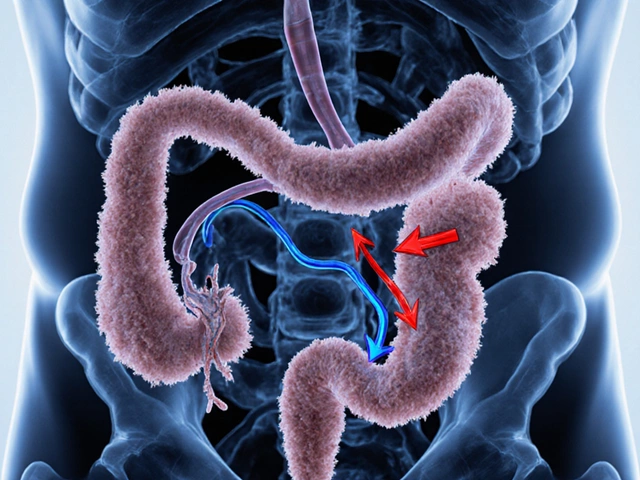
What Is the Hardest Cancer to Cure? Real Challenges and Current Outlook
-
 25 Jan 2025
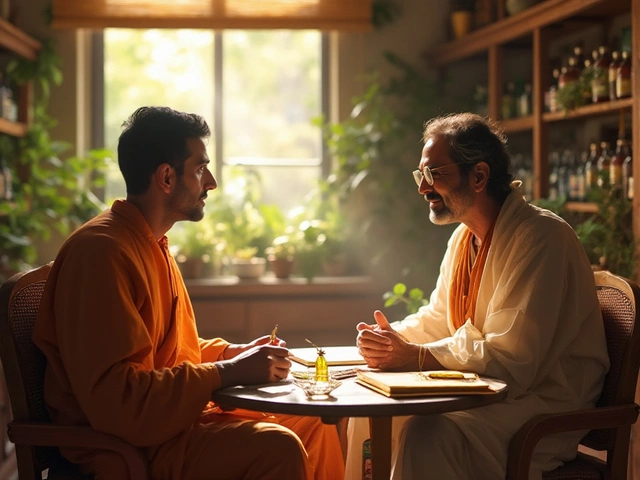
Common Pitfalls in Combining Homeopathic and Ayurvedic Medicine
-
 31 Jul 2025
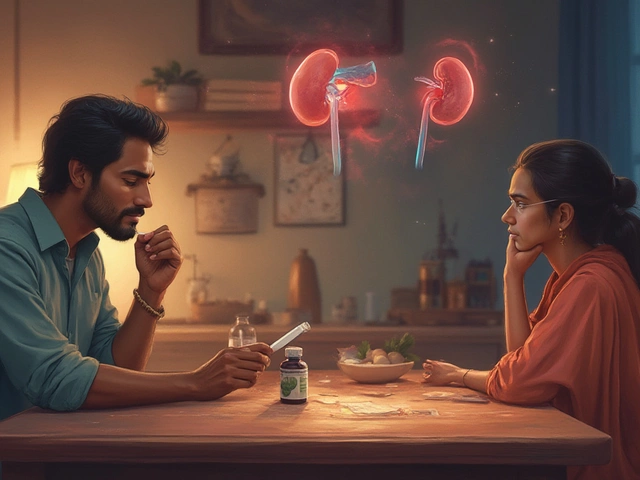
Metformin Side Effects: How It Impacts the Liver, Kidneys, and Your Health
-
 5 Apr 2025
What is a Concern When Taking Herbal Supplements?
-
 9 Dec 2025
How to Get Wegovy for $25 a Month: Real Ways to Lower Your Cost