Knee Surgery Risk Factors: What You Need to Know Before Going Under the Knife
When you're considering knee surgery, a common orthopedic procedure to repair or replace damaged knee joints. Also known as knee replacement, it's one of the most performed surgeries in India for people with chronic pain, arthritis, or injury. But knowing the benefits isn't enough—you need to know what can go wrong. Not every patient recovers smoothly. Some face setbacks that could have been avoided with better preparation.
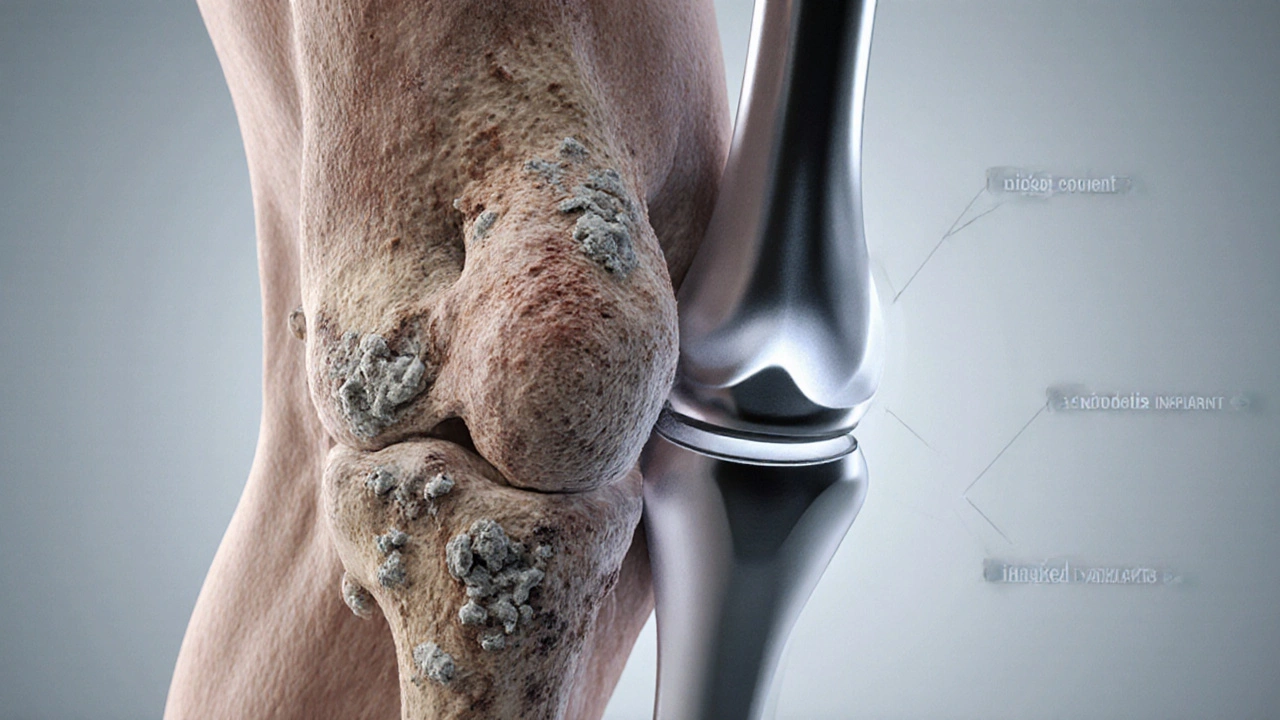
One of the biggest knee surgery risk factors, conditions or behaviors that increase the chance of complications after surgery. Also known as post-operative complications, it is surgical risks. is your weight. If you're overweight or obese, your body puts more stress on the new joint during healing. Studies show patients with a BMI over 30 have a 30% higher chance of infection and implant failure. It’s not just about losing weight before surgery—it’s about keeping it off afterward. Another major risk is diabetes. High blood sugar slows healing and makes infections harder to fight. Even if your diabetes is controlled with pills, your body still struggles to repair tissue after surgery.
Age isn't the main problem—health is. A 70-year-old who walks daily, doesn’t smoke, and has no heart issues often recovers better than a 55-year-old with high blood pressure and poor circulation. Smoking cuts off oxygen to healing tissues, and it doubles your risk of wound problems. If you're still smoking, quitting even two weeks before surgery helps. Blood clots are another silent danger. After knee surgery, you’re less mobile, and clots can form in your legs. These can travel to your lungs and become life-threatening. That’s why doctors push you to move early—even if it hurts. Compression socks and blood thinners aren’t just routine—they’re lifesavers.
Then there’s the mental side. People who expect a quick fix and get frustrated when recovery takes months are more likely to give up on rehab. Recovery isn’t just about the surgeon’s skill—it’s about your commitment to physical therapy. Skipping sessions or not doing your exercises at home is one of the top reasons people end up with stiff, painful knees even after surgery. And don’t underestimate the role of your support system. If you live alone and have no one to help you with meals, baths, or walking to the bathroom, your risk of falling or developing complications goes up.
Some risks are harder to control—like allergic reactions to implants or nerve damage during surgery—but they’re rare. What’s common? Poor planning. Not telling your doctor about every supplement you take. Not getting your heart checked before surgery. Not preparing your home for recovery. These aren’t minor details—they’re the difference between a smooth recovery and months of pain and setbacks.
Below, you’ll find real stories and facts from people who’ve been through knee surgery in India. You’ll learn what actually causes problems, how to spot warning signs early, and what steps you can take right now to lower your risk. This isn’t theoretical advice—it’s what works on the ground, in Indian hospitals, for real patients.
17
OctoberWho Is a Bad Candidate for Knee Replacement? Risks & Contraindications
Find out which medical conditions, lifestyle habits and age factors make someone a poor candidate for knee replacement, and learn how surgeons assess eligibility.
Recent posts
-
 25 May 2025
Stage 4 vs Stage 3: What’s Worse When It Comes to Cancer?
-
 24 Jan 2025
Chemotherapy and Kissing: Understanding the Risks and Precautions
-
 28 Oct 2025
Can You Have Oral Sex After Heart Surgery? What Doctors Really Say
-
 2 Dec 2025
What Weight Loss Medications Are Approved by Express Scripts?
-
 18 Nov 2025
Do I Have to Tell My Therapist Everything? Honest Answers for Therapy Newcomers