Knee Replacement Contraindications: When Surgery Isn't Safe
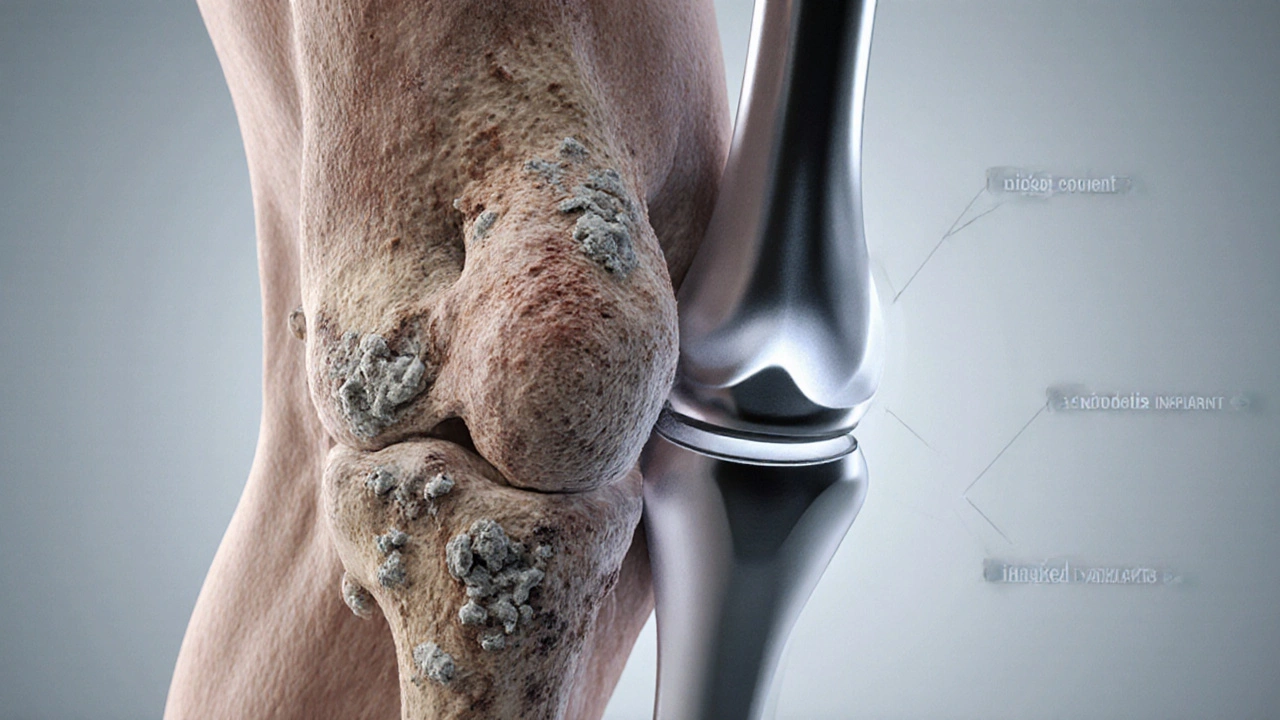
When your knee pain makes walking, climbing stairs, or even sleeping impossible, knee replacement seems like the only way out. But knee replacement contraindications, medical conditions or factors that make knee replacement surgery unsafe or unlikely to succeed. Also known as knee surgery risks, these are the red flags doctors check before cutting into your joint. It’s not about being too old or too young—it’s about whether your body can handle the stress of surgery and recovery. Many people assume if the pain is bad enough, surgery is the answer. But that’s not how medicine works. Doctors look at your whole picture: your heart, your immune system, your mobility, even your mental readiness.
One of the most common knee replacement contraindications, a situation where surgery is avoided due to high risk of complications. Also known as joint replacement eligibility, it includes active infections anywhere in your body—even a foot ulcer or a dental abscess. Why? Because bacteria can travel through your blood and settle in the new implant, causing a lifelong, hard-to-treat infection. Another major one is severe heart or lung disease. If your heart can’t handle the strain of surgery, or your lungs can’t manage the reduced activity during recovery, the risk of a heart attack or pneumonia spikes. Then there’s poor skin or tissue health around the knee. If you’ve had multiple prior surgeries, severe scarring, or uncontrolled diabetes that’s wrecking your healing ability, the implant might not stay in place—or worse, it could get infected.
Some people think weight doesn’t matter, but it does. Being severely overweight doesn’t just make surgery harder—it increases the chance of blood clots, wound problems, and early implant failure. And if you’re not willing to do physical therapy? That’s a hard no. Knee replacement isn’t a fix-it-and-forget-it deal. You need to move. You need to strengthen. If you’re mentally checked out or have untreated depression that’s keeping you from following instructions, recovery will fail. Even smoking is a red flag. It slows healing, increases infection risk, and makes bones less likely to bond with the implant.
There are alternatives when surgery isn’t safe. Physical therapy can rebuild strength. Injections like cortisone or hyaluronic acid can ease pain temporarily. Braces and walking aids help you move without grinding your joint. Weight loss, even 10 pounds, can cut knee pain by half. For some, it’s not about replacing the knee—it’s about managing it smarter.
What you’ll find below are real stories and facts from people who faced these decisions. Some were told no. Some were told yes—and regretted it. Others found better paths. This isn’t about pushing surgery. It’s about knowing when it’s the right move—and when it’s not.
17
OctoberWho Is a Bad Candidate for Knee Replacement? Risks & Contraindications
Find out which medical conditions, lifestyle habits and age factors make someone a poor candidate for knee replacement, and learn how surgeons assess eligibility.
Recent posts
-
 25 Oct 2025
IVF Timeline: How Long Until You Get Pregnant?
-
 27 Apr 2025
First Drug of Choice for Diabetes: Why Metformin Leads the Pack
-
 18 May 2025
4 Principles of Ayurveda: Your Guide to Natural Balance
-
 26 Jul 2025
How to Spot a Reputable Online Pharmacy: Your Guide to Safe Online Medication
-
 15 Jun 2025
IVF Cost in the US: What You'll Really Pay