Hardest Cancer to Cure: What Makes Some Cancers So Tough to Treat
When people talk about the hardest cancer to cure, a type of malignant disease that resists standard treatments and often spreads before diagnosis, they’re not just talking about bad luck—they’re talking about biology that’s evolved to outsmart medicine. Pancreatic cancer, glioblastoma, and small cell lung cancer aren’t just dangerous; they’re designed to hide, spread fast, and shrug off chemo, radiation, and even newer immunotherapies. These aren’t rare outliers—they’re the cancers that doctors fear most because survival rates haven’t moved much in decades, even as other cancers have become more treatable.
The real problem isn’t just the tumor itself, but how it behaves. Metastatic cancer, when cancer spreads from its original site to distant organs is often the point of no return. By the time it shows up in the liver, brain, or bones, the cancer has already adapted. It’s not one disease anymore—it’s a network of resistant cells, each with different mutations. And then there’s treatment resistance, when cancer cells evolve to survive drugs meant to kill them. This isn’t like antibiotics failing—it’s like the cancer learns your moves before you make them. That’s why some cancers, like ovarian cancer, come back again and again even after seeming to vanish.
What makes these cancers so hard to beat? Late detection plays a huge role. Unlike breast or colon cancer, there are no simple screening tests for pancreatic or lung cancer in average-risk people. Symptoms show up too late—weight loss, pain, fatigue—signs that are easy to ignore or blame on stress. Even when caught early, some tumors are surgically impossible to remove because they wrap around blood vessels or nerves. And while new drugs like targeted therapies and CAR-T cells have helped some patients, they only work for specific genetic profiles, leaving most without options.
This isn’t about hopelessness. It’s about realism. Some cancers are harder because of where they grow, how they hide, and how quickly they change. But understanding why helps you recognize the warning signs earlier, ask the right questions, and avoid false promises. The posts below dig into real cases, survival stats, and what’s actually working in India’s oncology clinics—not just hype. You’ll find what doctors see in the lab, what patients experience on the ground, and why some cancers still beat the best we have.
8
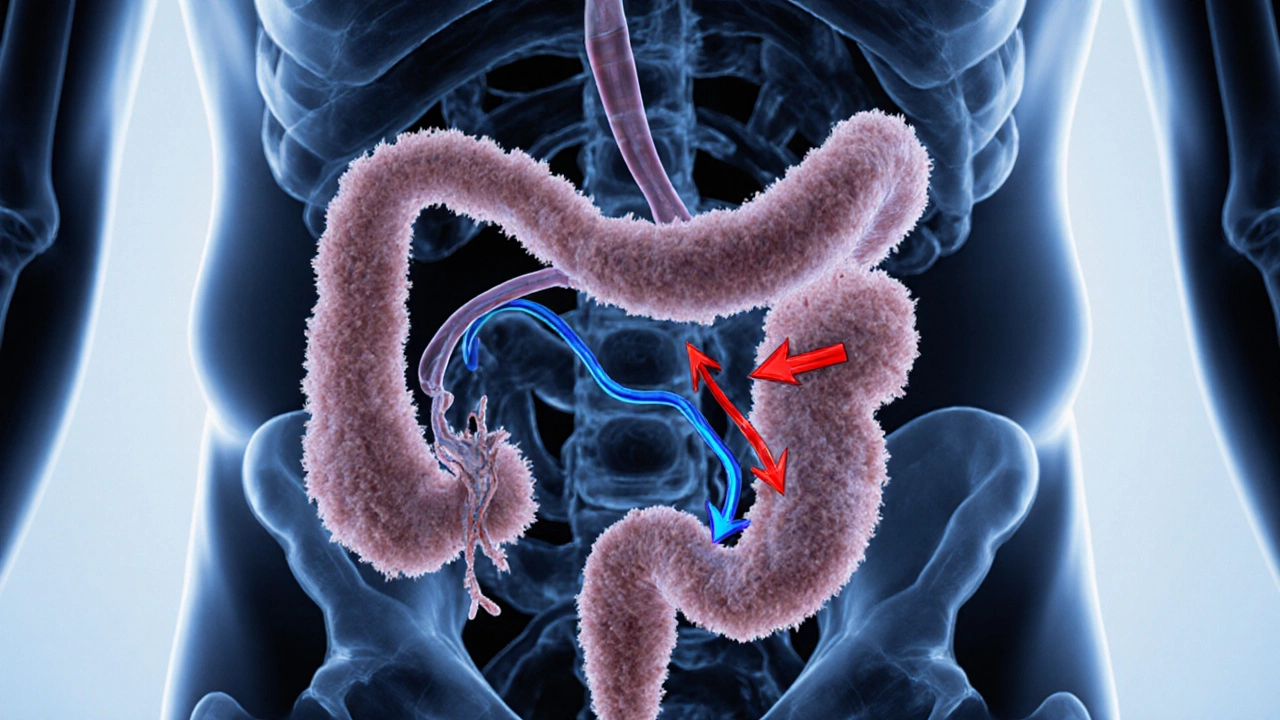
NovemberWhat Is the Hardest Cancer to Cure? Real Challenges and Current Outlook
Pancreatic cancer is the hardest cancer to cure due to late detection, resistance to treatment, and lack of early screening. Learn why survival rates are low and what new treatments are offering hope.
Recent posts
-
 12 Jun 2025
Top 3 Worst Cancers: Survival Rates, Symptoms, and What to Watch For
-
 4 May 2025
Can I Take 5 Different Vitamins at Once? Your Guide to Mixing Herbal Supplements Safely
-
 17 Jan 2025
Post-Knee Surgery Bowel Movements: What to Expect
-
 25 Jan 2025
Common Pitfalls in Combining Homeopathic and Ayurvedic Medicine
-
 3 May 2025
Medical Tourism: What Is It and Why Are People Doing It?