GLP-1 Agonist: What It Is, How It Works, and What You Need to Know
When you hear GLP-1 agonist, a class of medications that mimic a natural hormone in your gut to help control blood sugar and reduce appetite. Also known as incretin mimetics, it's not just another drug—it's a shift in how doctors treat type 2 diabetes and obesity. These aren’t old-school pills that force your body to make more insulin. They work with your body’s own systems, slowing digestion, telling your brain you’re full, and helping your pancreas release insulin only when needed. That’s why they’re now among the most prescribed medications for weight loss and diabetes in India and worldwide.
GLP-1 agonists include real-world names you’ve probably heard: Ozempic, a brand name for semaglutide, commonly used for diabetes and approved for weight management, Zepbound, the FDA-approved weight loss version of tirzepatide, which acts on two gut hormones, and semaglutide, the active ingredient behind both Ozempic and Wegovy, known for strong results but also common side effects like nausea. These aren’t magic pills. They work best when paired with diet and movement. And while they’re powerful, they’re not for everyone. Insurance often denies them. Side effects like vomiting or pancreatitis, though rare, are real. Cost is a barrier. And many people stop because the nausea doesn’t fade.
What you’ll find in the posts below isn’t marketing fluff—it’s what people actually experience. From how GLP-1 agonist side effects hit weight-loss clinics in India, to why some diabetics switch from metformin to these injections, to the tough questions about insurance denials and long-term safety. You’ll see how these drugs connect to real health choices: liver health, mental well-being, surgical recovery, and even how your body reacts after having a baby. This isn’t theoretical. It’s happening in clinics, homes, and pharmacies across the country. If you’re considering one, avoiding one, or just trying to understand the hype, these posts give you the unfiltered truth—not the ads, not the influencers, just what the data and doctors say.
10
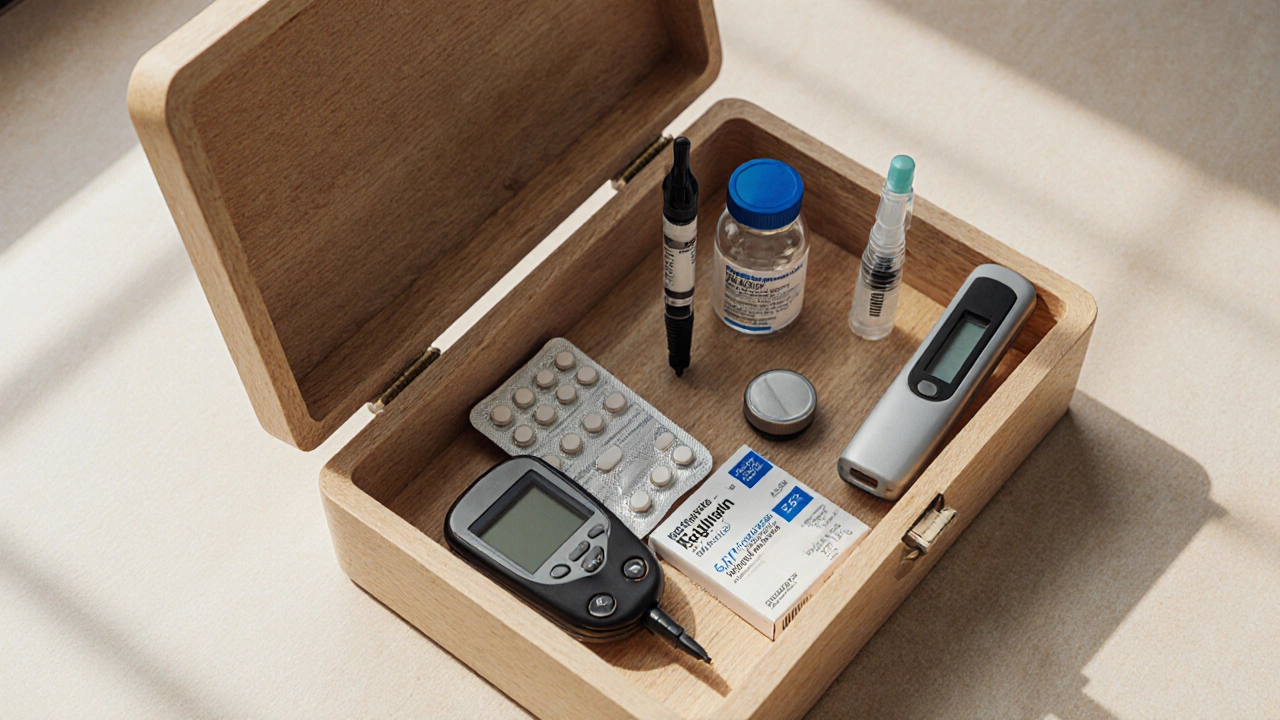
OctoberBest Diabetes Medicine: Comprehensive Comparison of Top Treatments (2025)
A 2025 guide comparing top diabetes medicines, covering efficacy, side effects, cost, and how to pick the right treatment for type 2 and type 1 patients.
Recent posts
-
 16 Oct 2025
10 Cancer Warning Signs You Must Not Ignore
-
 16 Feb 2025
Alternatives to Metformin: What Are Doctors Prescribing?
-
 30 Jan 2026
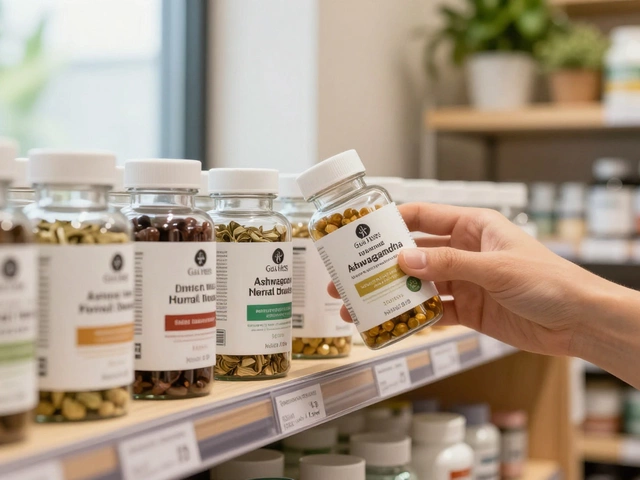
Best Herbal Supplement Brands You Can Trust in 2026
-
 13 Jul 2025
Stage 5 Cancer: Myth or Reality? Understanding Cancer Staging Explained
-
 12 Jul 2025
Hidden Risks: Disadvantages of Herbal Supplements Explained