Cancer Survival Rates: What You Need to Know About Outcomes in India
When we talk about cancer survival rates, the percentage of people alive a certain number of years after being diagnosed with cancer. Also known as cancer prognosis, it’s not just a number—it’s a reflection of when the cancer was found, what kind it is, and whether treatment was accessible. In India, these rates don’t tell the whole story. Many people are diagnosed at later stages because symptoms are ignored, screening isn’t routine, and care is uneven across cities and villages.
Pancreatic cancer, a fast-moving cancer with few early symptoms and no standard screening test. Also known as the silent killer, it’s one of the hardest to cure, with survival rates often below 10% five years after diagnosis. That’s why early detection, spotting cancer before it spreads, often through simple signs like unexplained weight loss or persistent pain. Also known as warning signs of cancer, it’s the biggest factor that can flip the odds. A lump, a cough that won’t quit, unusual bleeding—these aren’t just annoyances. They’re signals. And the sooner you act, the better your chances become. This isn’t theory. It’s backed by real cases where people lived because they didn’t wait.
Not all cancers are the same. Some, like breast and cervical cancer, have seen big improvements in survival because of screening programs and awareness. Others, like liver and oral cancer, are still deadly in India because of tobacco use, alcohol, and delayed care. Cancer treatment, the combination of surgery, chemo, radiation, or newer targeted therapies. Also known as oncology care, it’s only as good as the system behind it. In urban centers, patients get advanced care. In rural areas, they might wait months—or never get help at all. That gap isn’t just unfair. It’s deadly.
What you’ll find below aren’t just articles. They’re real stories and facts from people who’ve faced this. You’ll read about the cancer survival rates that scare people, the warning signs too many ignore, and the types of cancer that still have the worst outcomes. You’ll also learn what’s changing—new treatments, better access, and how early action makes all the difference. These aren’t abstract numbers. They’re lives. And the information here could help you or someone you care about get the right care at the right time.

17
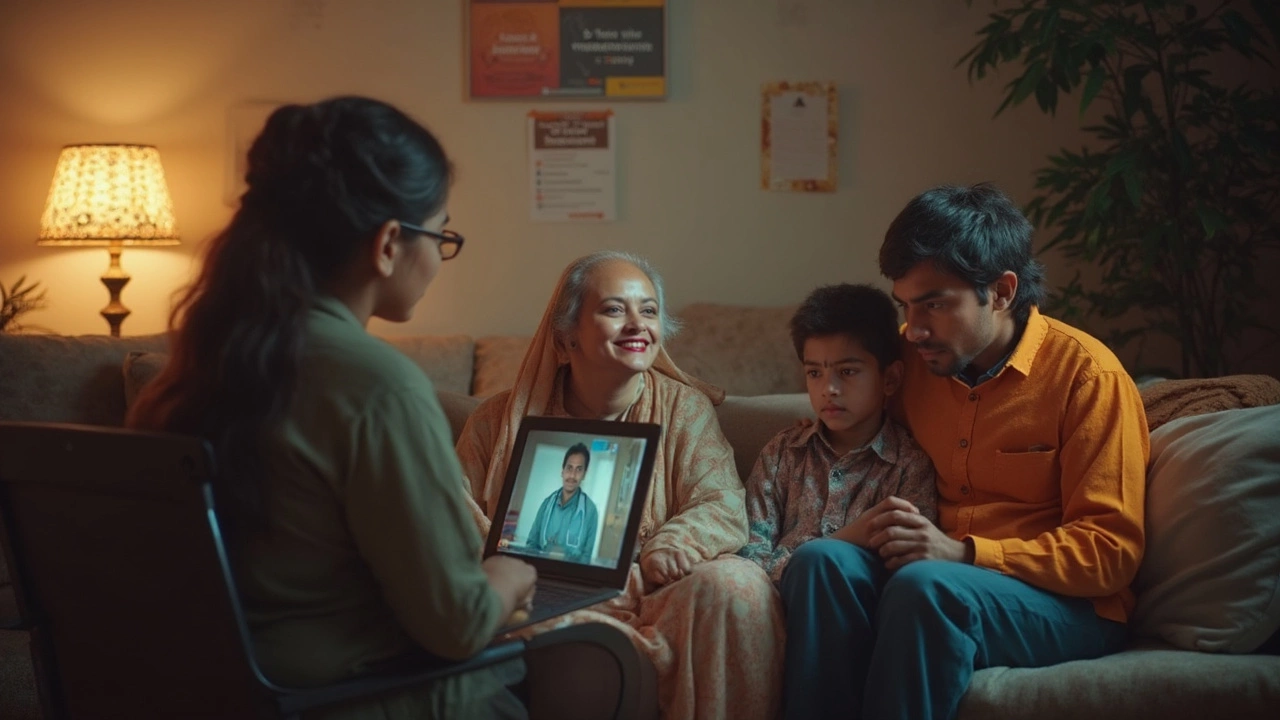
SeptemberHow Long Can You Live With Cancer? Survival Rates, Stages, and What Affects Life Expectancy (2025)
No one-number answer. See how type, stage, biomarkers, and care shape life expectancy with cancer in 2025, plus steps, tables, and real-world examples.
12
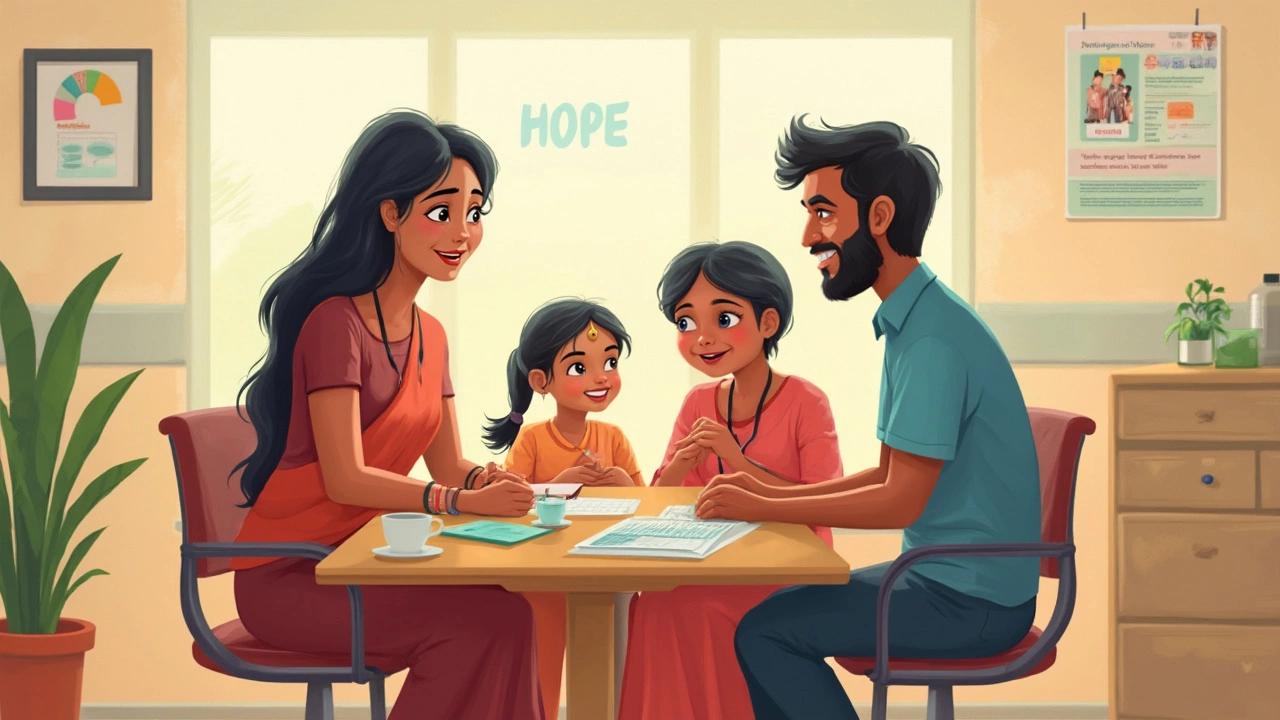
JuneTop 3 Worst Cancers: Survival Rates, Symptoms, and What to Watch For
Some cancers are harder to treat and survive than others, and knowing which ones top the list can make a real difference. This article cuts to the chase and highlights the top three worst cancers based on survival rates, symptoms, and risk factors. You'll get practical tips on what to look out for and why these cancers are so challenging. We’ll talk about breakthroughs that offer hope, plus how to spot potential warning signs early. Useful for anyone curious or concerned about cancer risks and treatments.
31
MayEasiest Cancer to Treat: What You Need to Know Right Now
Most people panic at the word ‘cancer’, but not all types come with the same baggage. Some cancers are far easier to treat than others, and knowing which ones fall in that category can give hope and clarity. This article breaks down the easiest cancer to treat and explains why, while highlighting treatment options and real survival stories. Expect practical tips, clear facts, and a reality check on what ‘easy to treat’ really means. Understanding the details can help you make better choices or support a loved one.
Recent posts
-
 24 Jul 2025
Does Therapy for Mental Health Work? Real Results, How It Feels, and What to Expect
-
 10 Apr 2025
Do You Eat Meat in Ayurveda?
-
 13 Apr 2025
Do They Still Break Your Ribs for Open-Heart Surgery?
-
 17 Sep 2025
How Long Can You Live With Cancer? Survival Rates, Stages, and What Affects Life Expectancy (2025)
-
 2 Jun 2025
Holistic vs Homeopathic: What’s the Real Difference?